
Explore our case studies, blog articles, and upcoming events — industry perspectives and engineering insights from the Nahu Group (NAHU Electric) team.
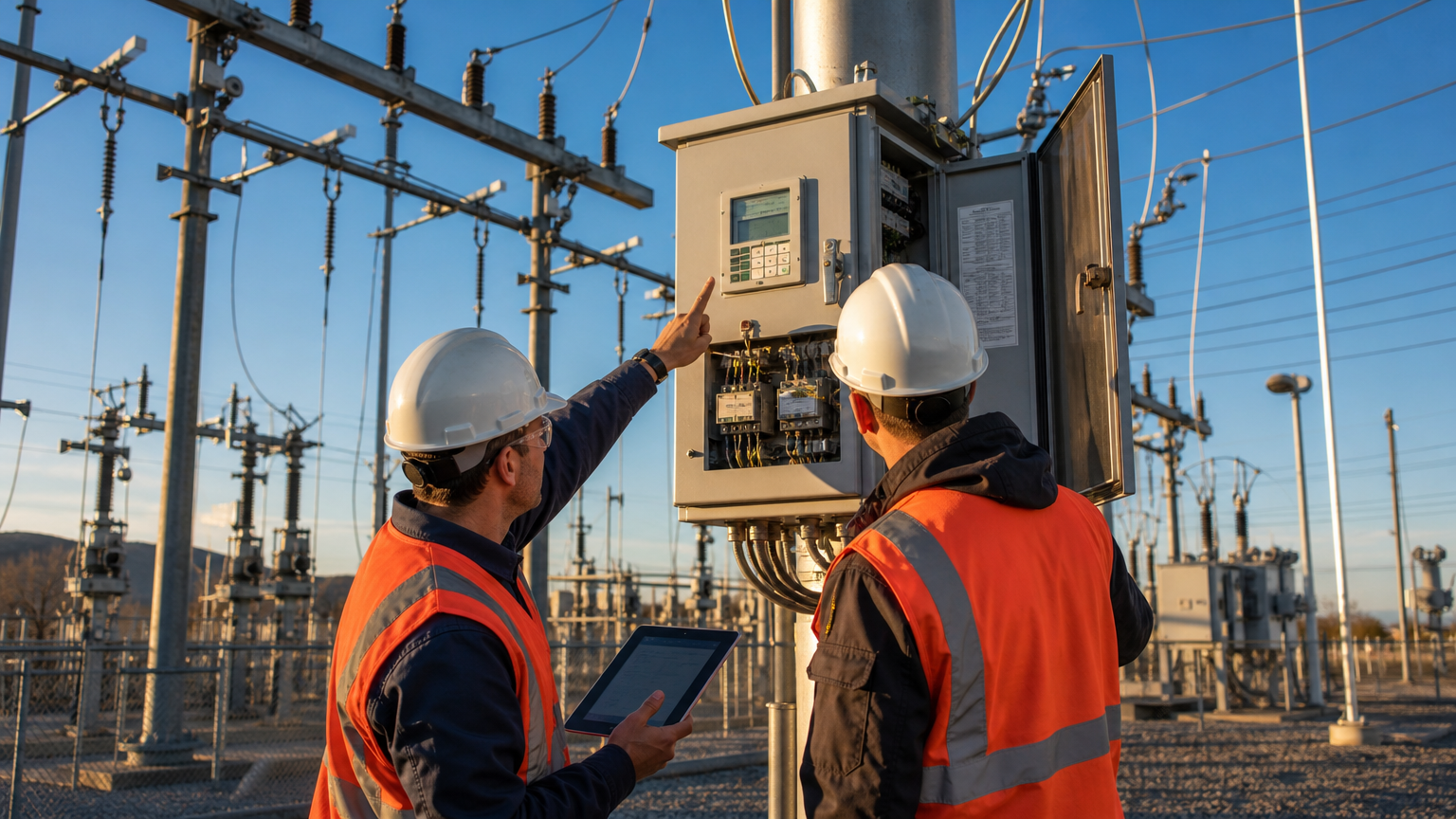
Field installations of NAHU instrument transformers and metering cabinets — substation commissioning, distribution metering, and pole-mounted switchgear deployments worldwide.
View case studies →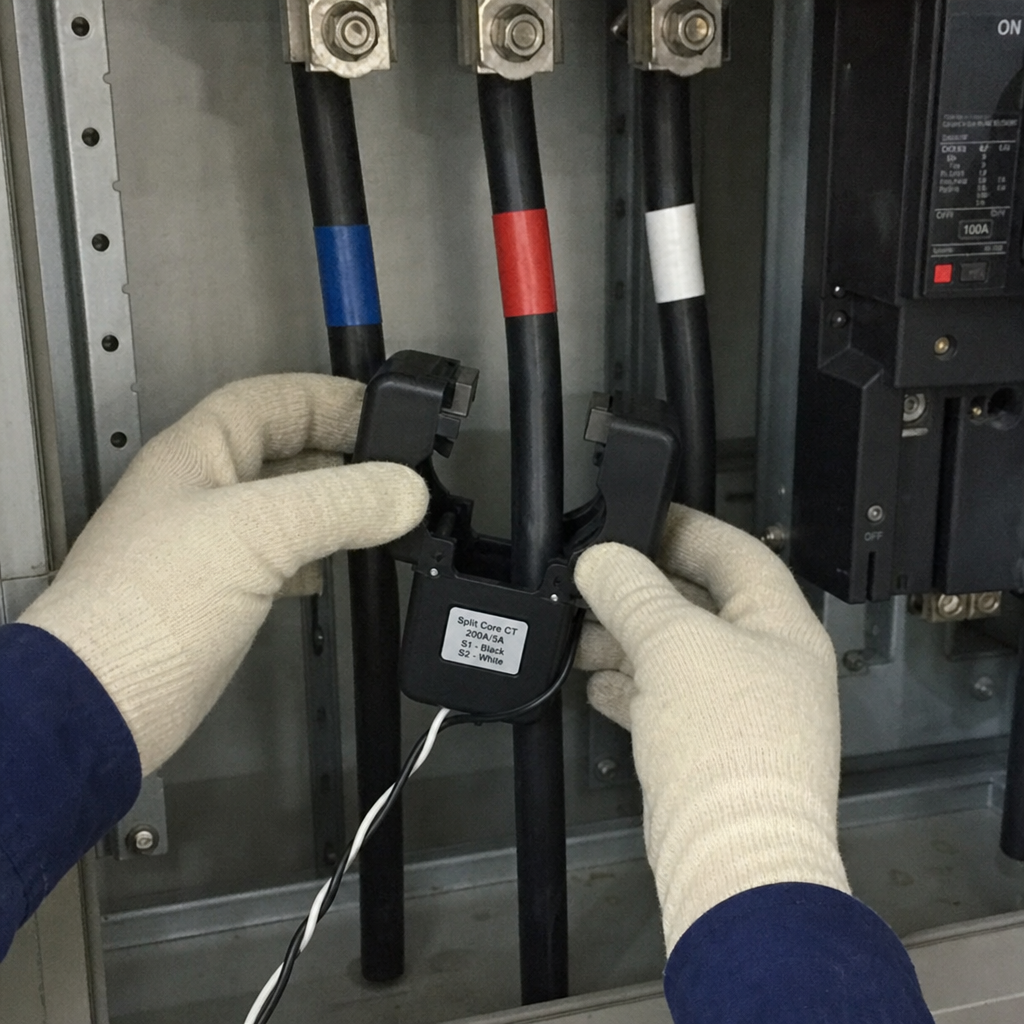
In-depth technical articles on current transformer selection, wiring, sizing, accuracy classes, and best practices for new installations and retrofits.
Read blog →
International trade shows, industry expos and company milestones — where to meet the Nahu Group (NAHU Electric) team and see our latest products.
View events →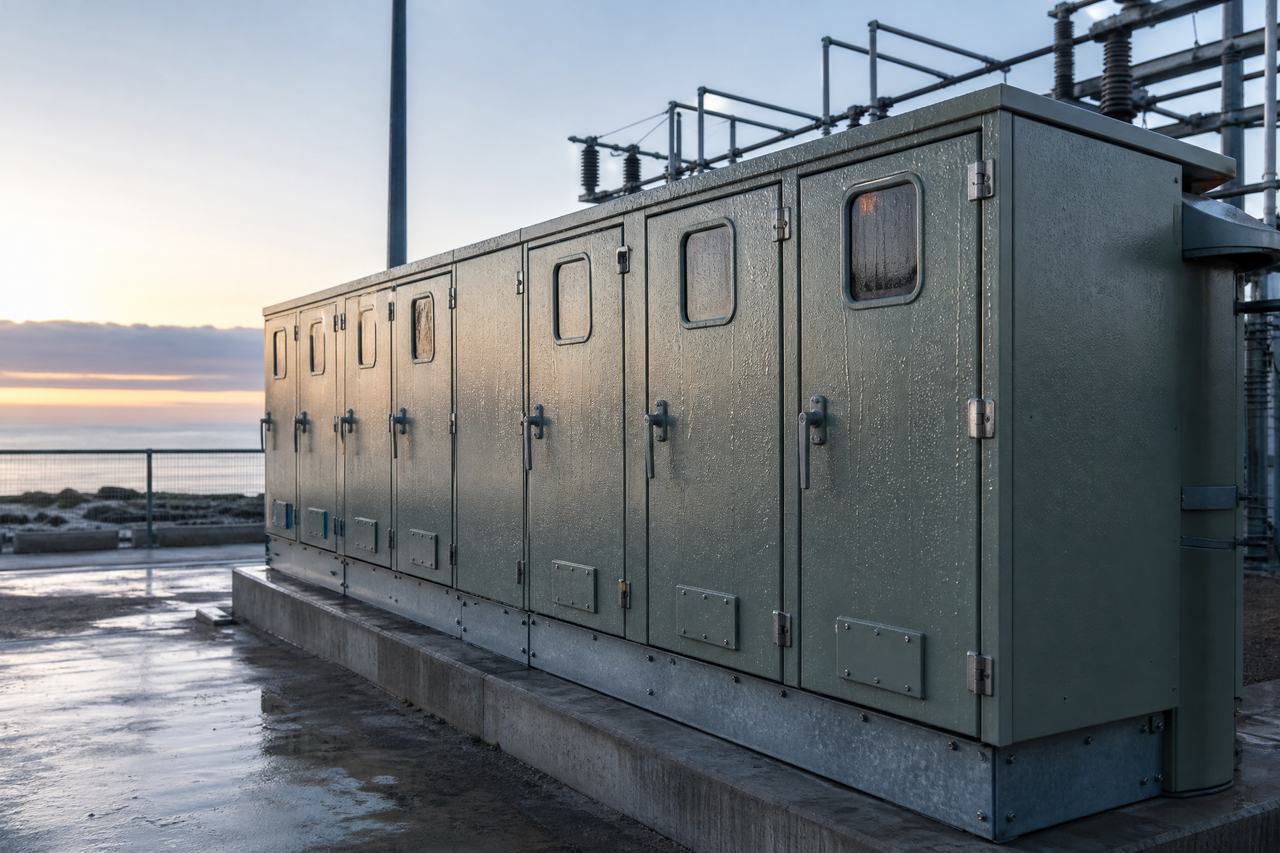
Why a sealed cabinet still collects water, which compartments form it first, and the heater, humidity and sealing measures that actually stop it.
Read article →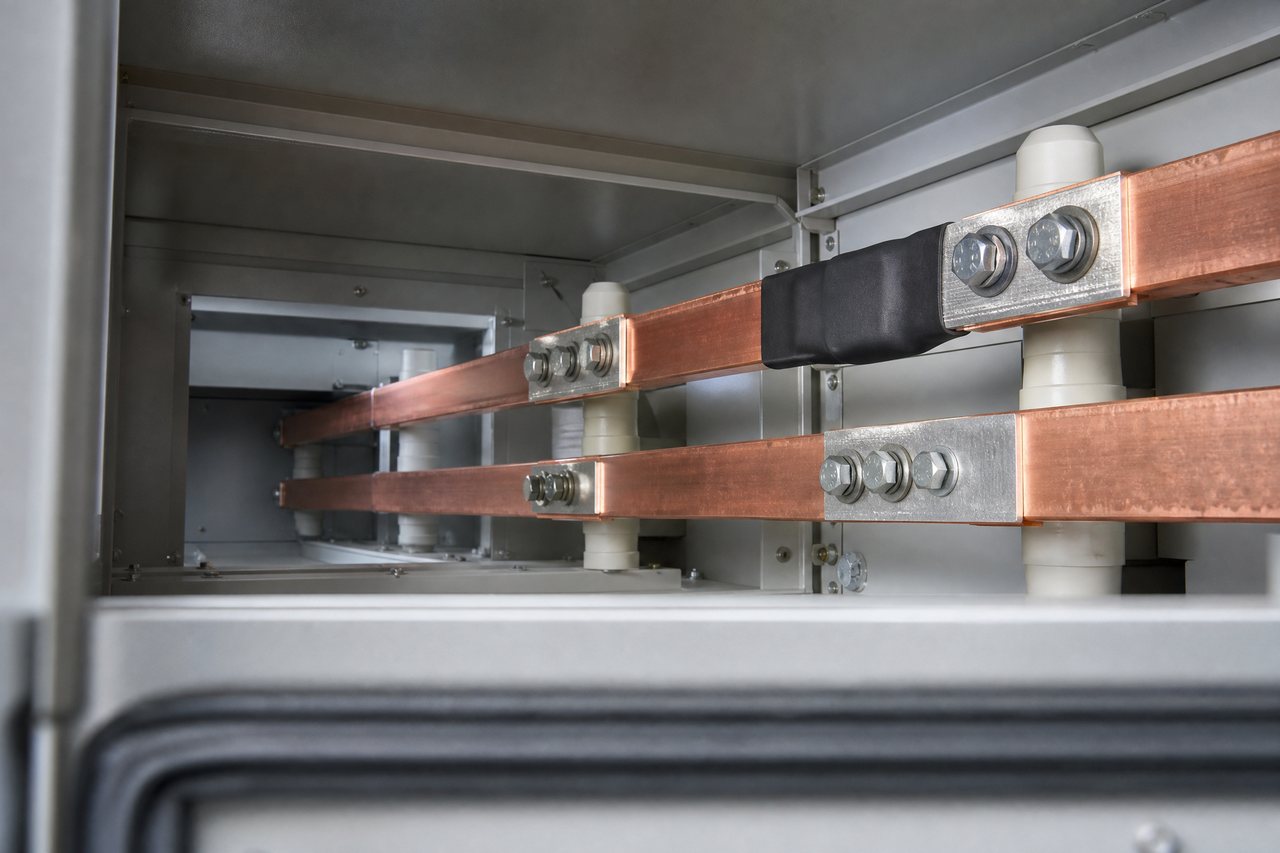
Why the same copper bar carries 400 A or 620 A, what temperature rise and skin effect do to the number, and how to check a quoted rating.
Read article →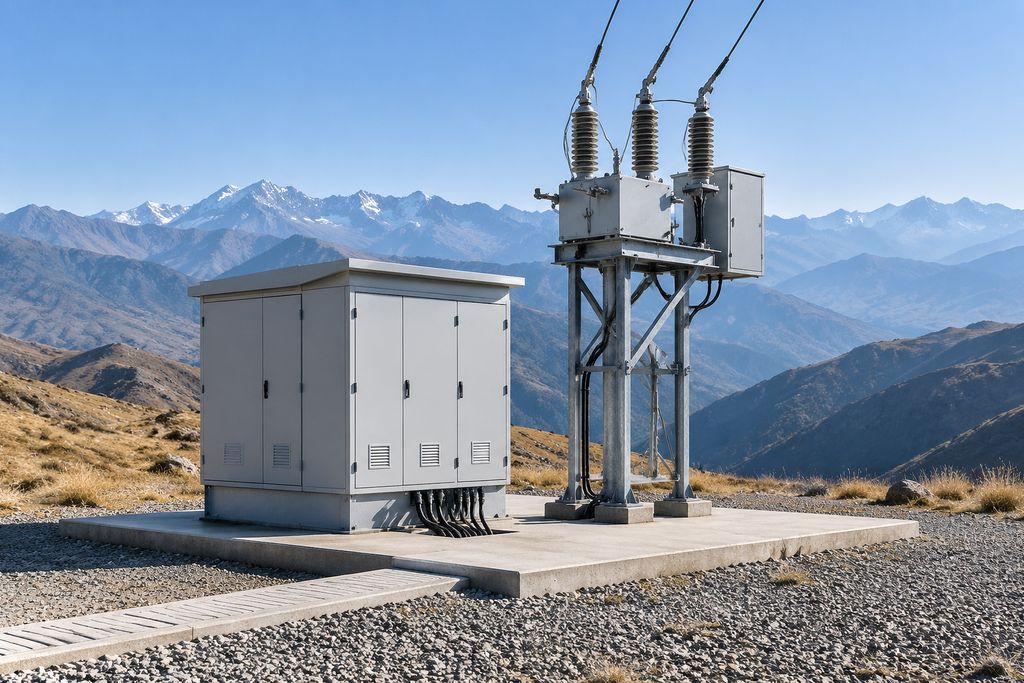
The two corrections that decide whether a standard cabinet is adequate: insulation in thin air, and current in weaker cooling.
Read article →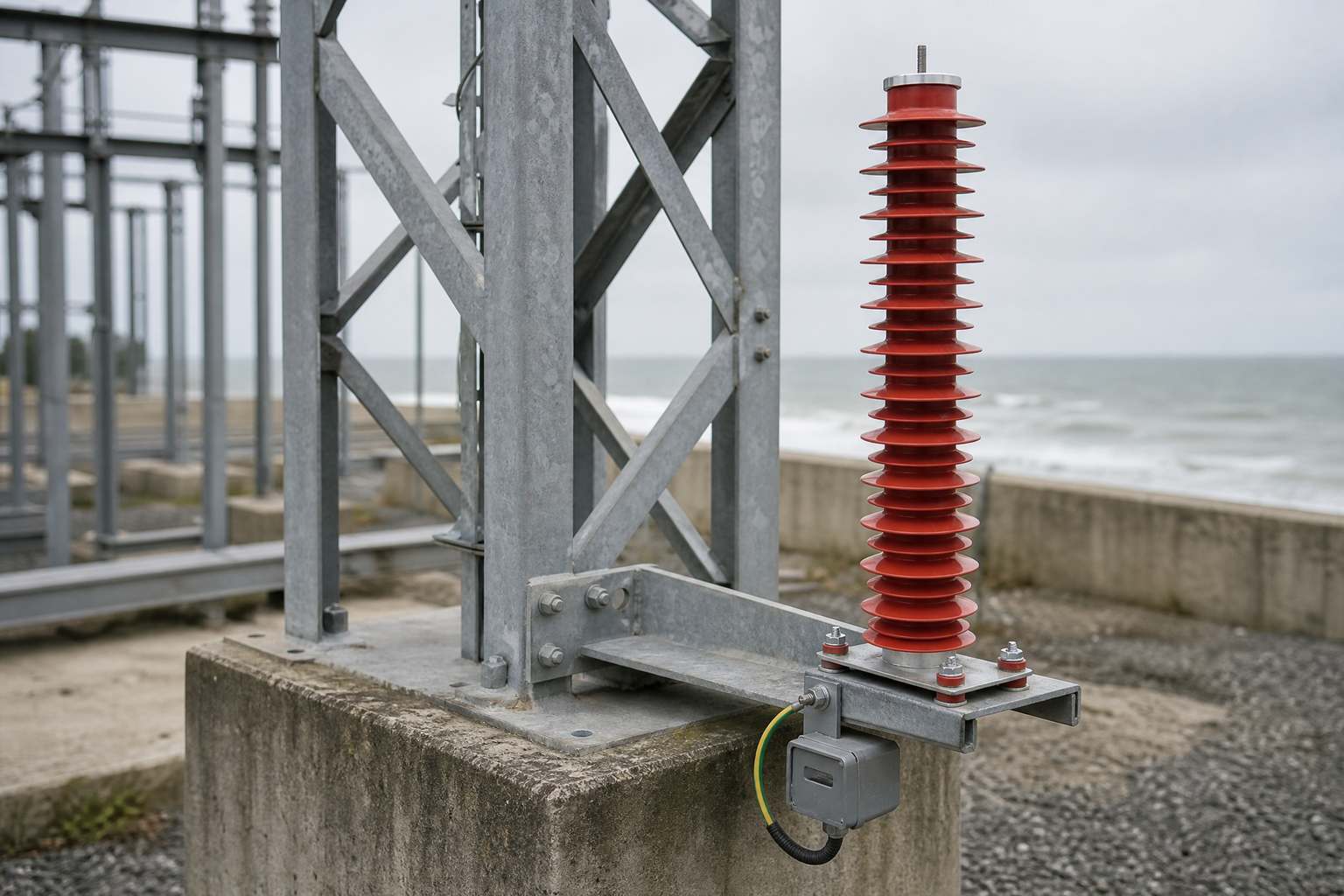
A surge counter records how many discharges an arrester has handled, not whether it is healthy. What the count proves, what leakage monitoring adds, and what to specify.
Read article →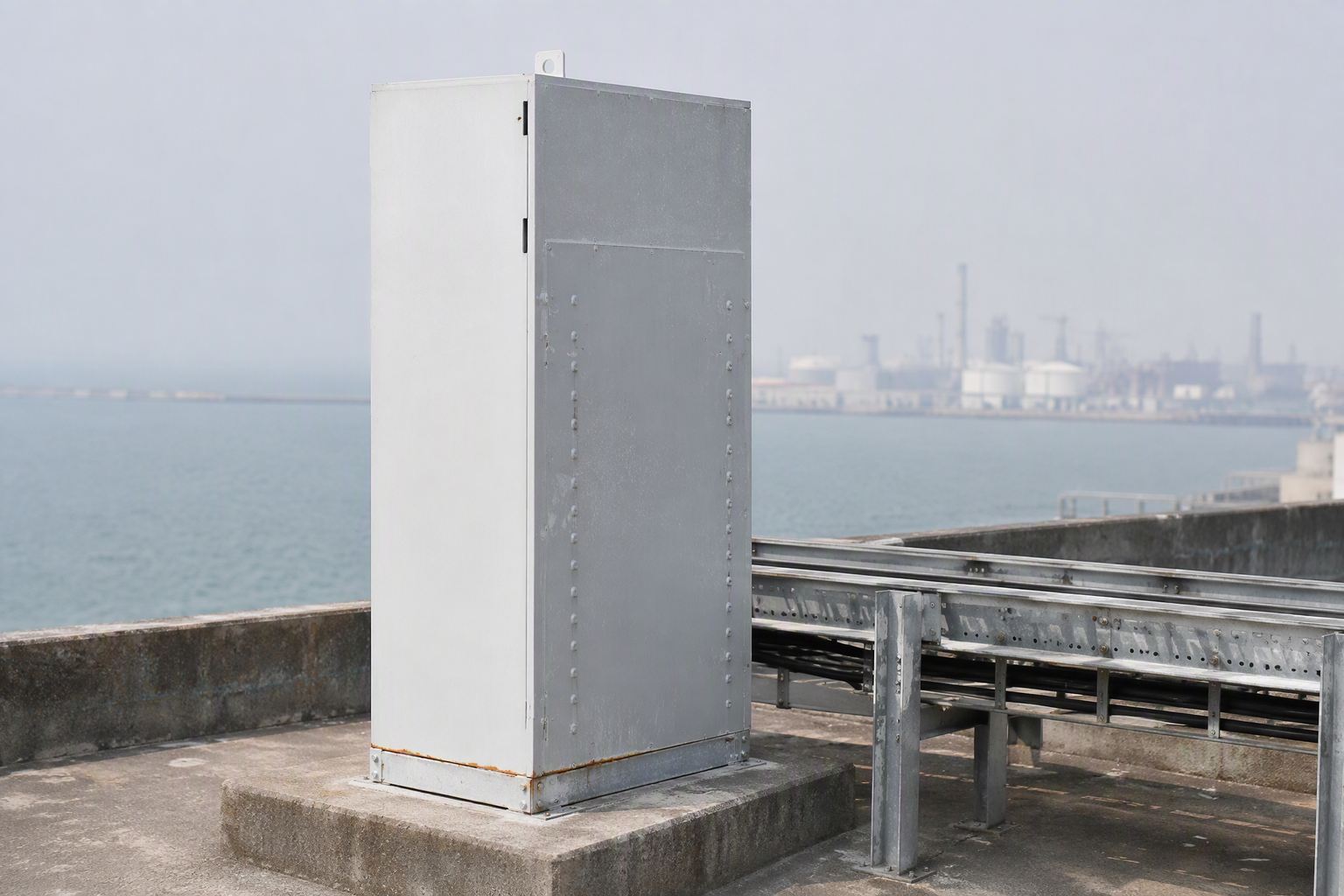
Switchgear corrosion protection is written against ISO 12944: corrosivity category, durability band, coating system and preparation grade. What to specify for coastal sites.
Read article →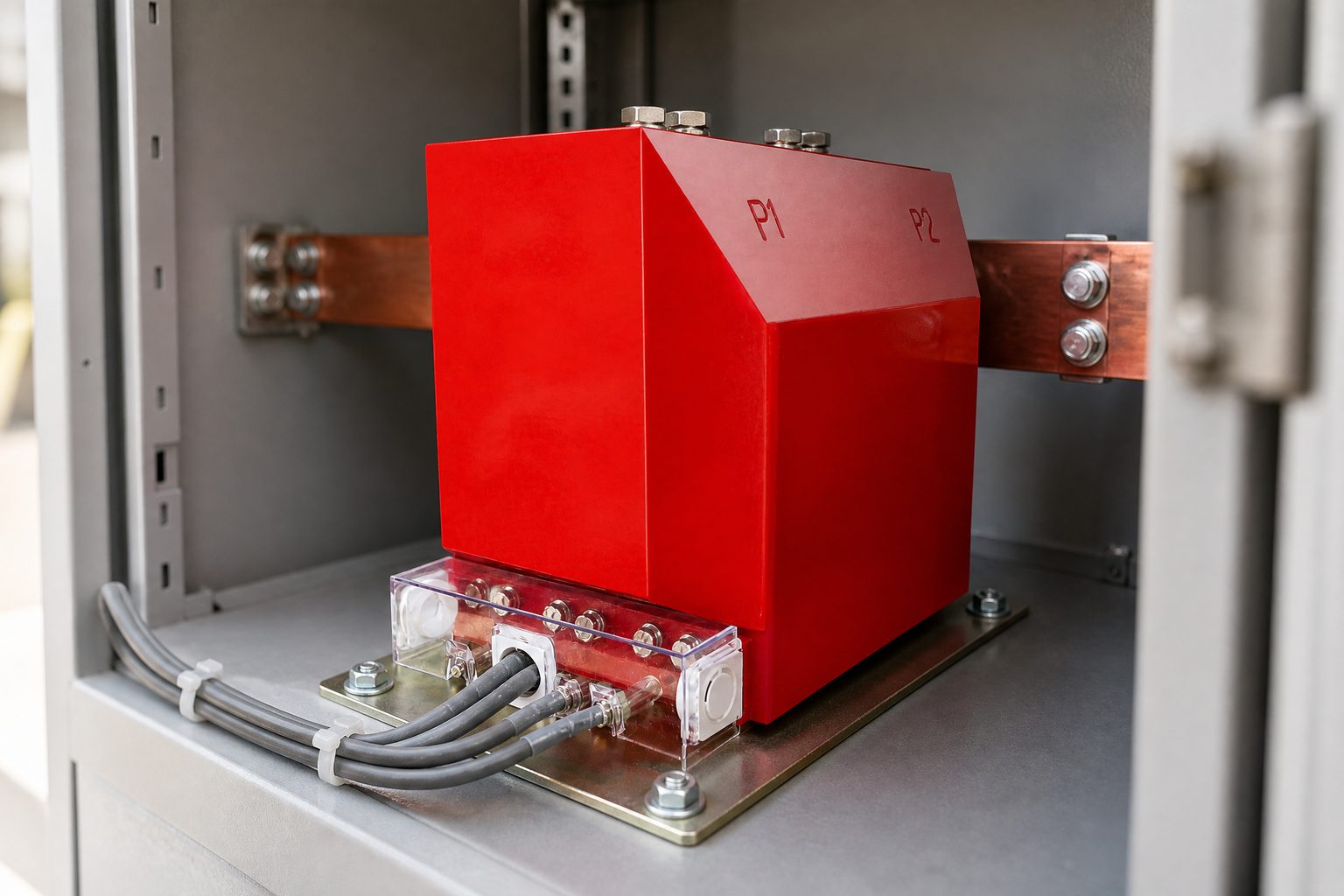
The instrument security factor is the multiple of rated primary current at which a metering CT saturates. Why it protects the meter, and how it differs from accuracy class and ALF.
Read article →
A voltage presence indicating system shows whether an MV circuit is live. What VPIS and VDS do, how phase comparison works, and what to specify.
Read article →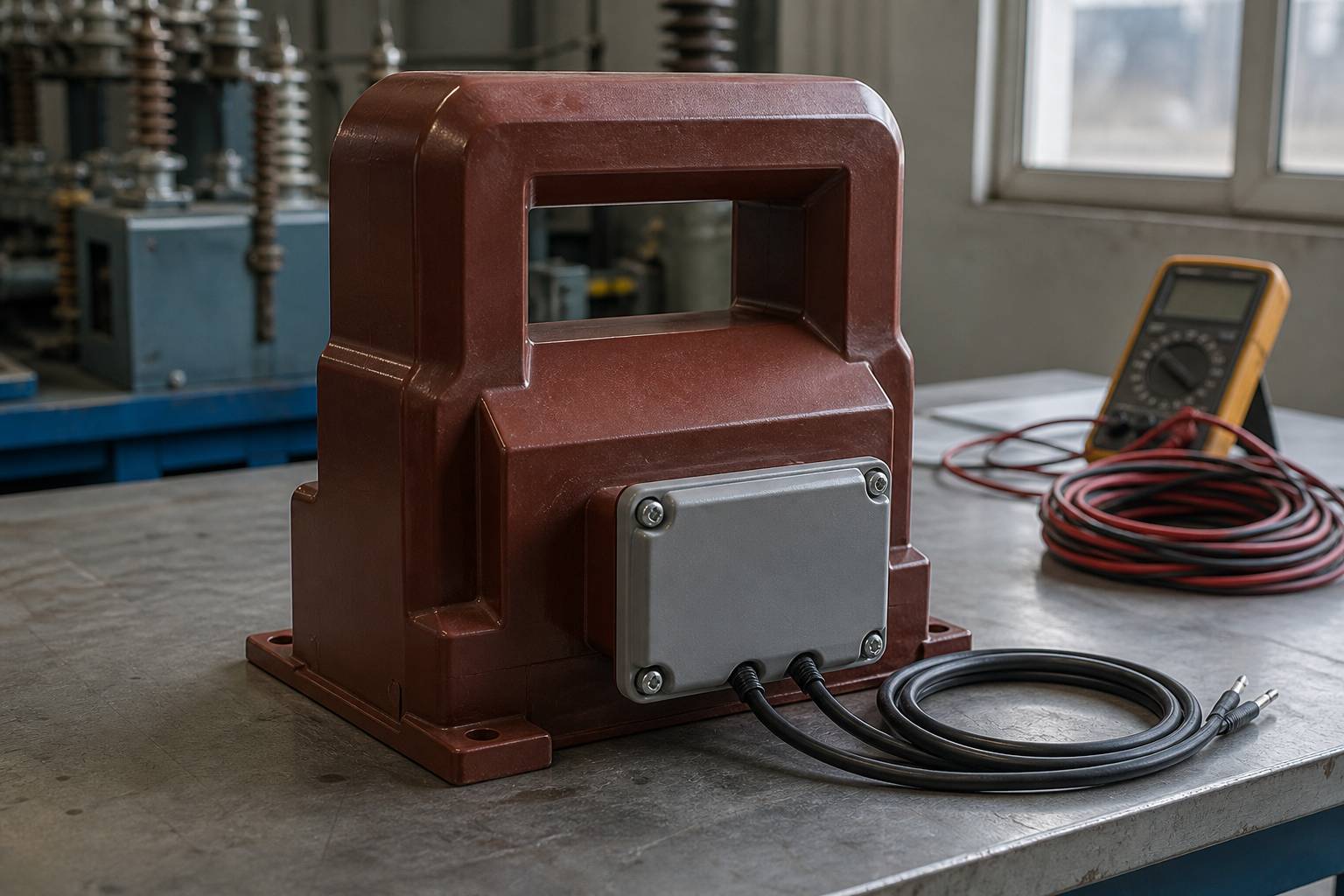
Class PX current transformers are defined by knee-point voltage, maximum winding resistance and excitation current. How Vk, Rct and Io are specified.
Read article →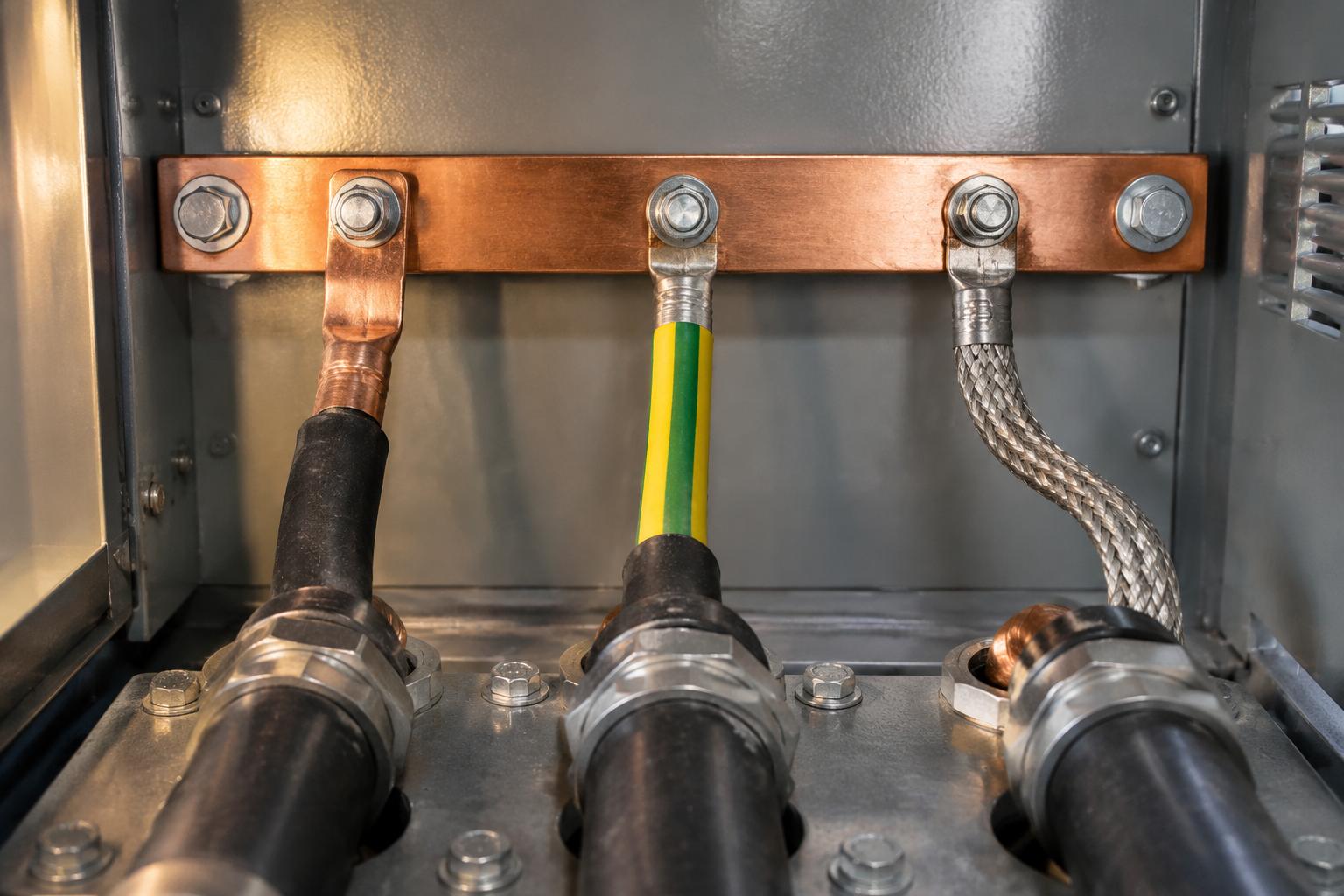
Switchgear earthing explained: the main earthing bar, cable-screen bonding, earthing switches and the continuity checks that make MV panels safe.
Read article →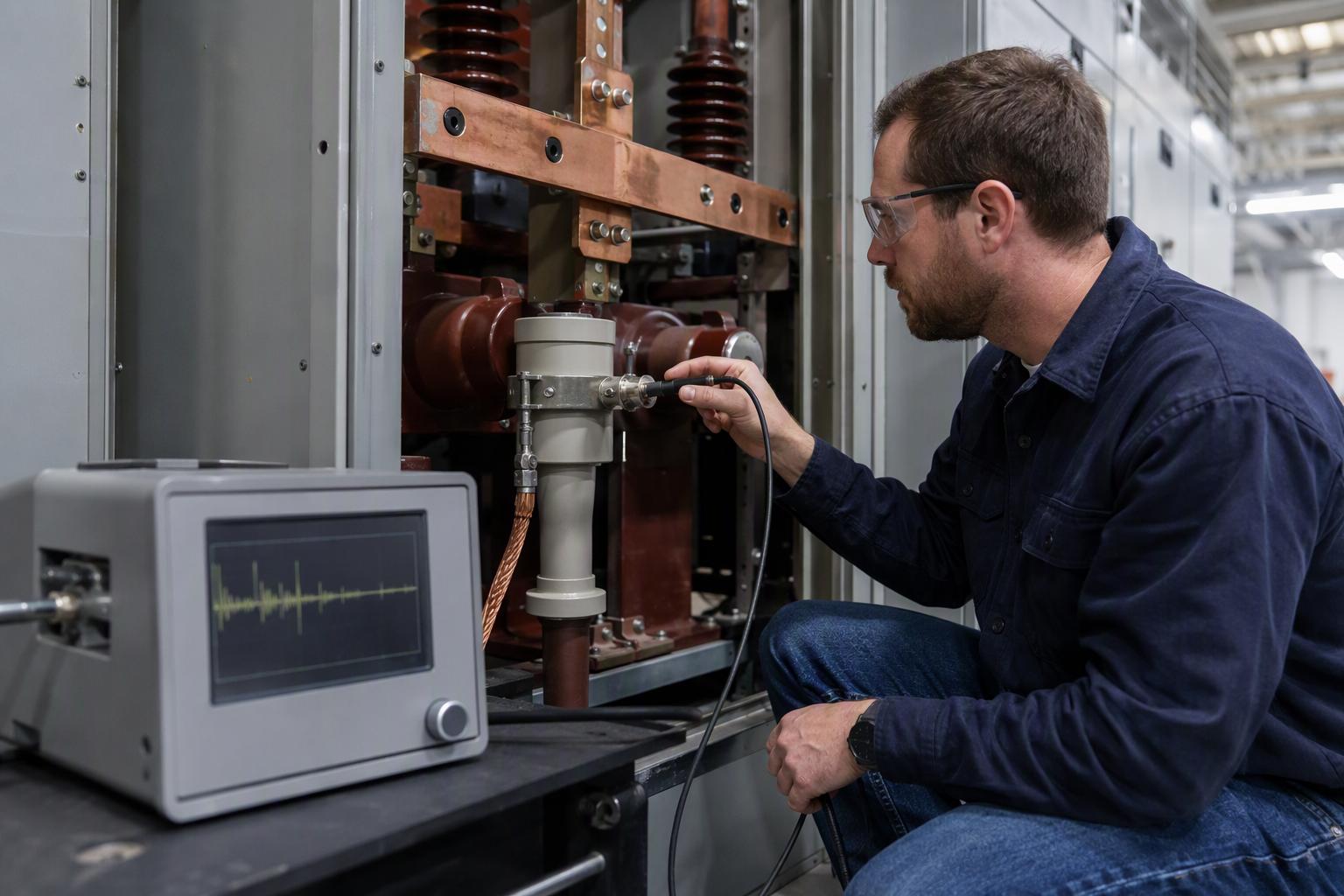
Partial discharge testing explained: what IEC 60270 measures, how apparent charge is calibrated, and what a credible test report should contain.
Read article →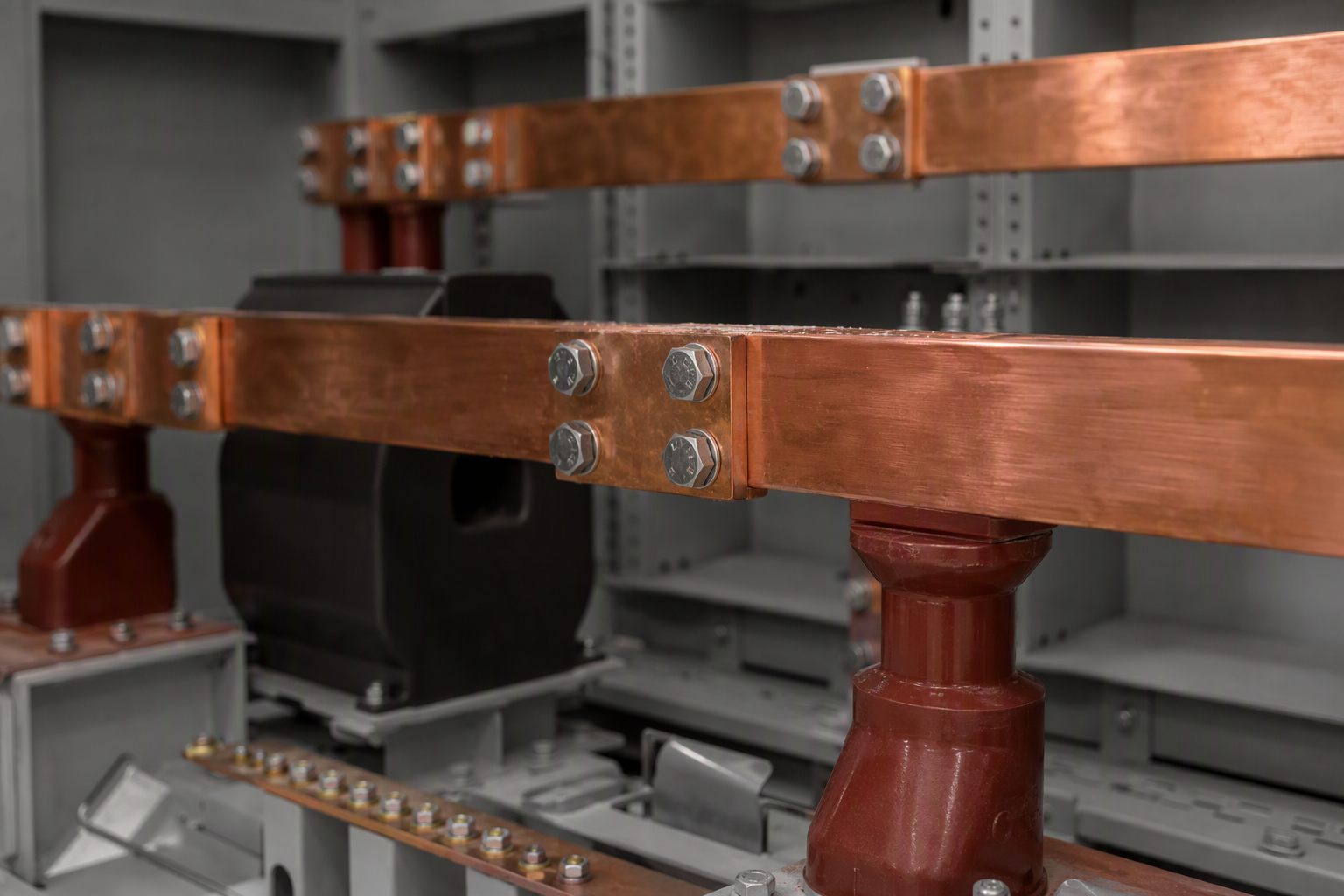
Short-time withstand current explained: what Icw and Ipk mean in IEC 62271-1, why peak is 2.5 times rms at 50 Hz, and how to read switchgear ratings.
Read article →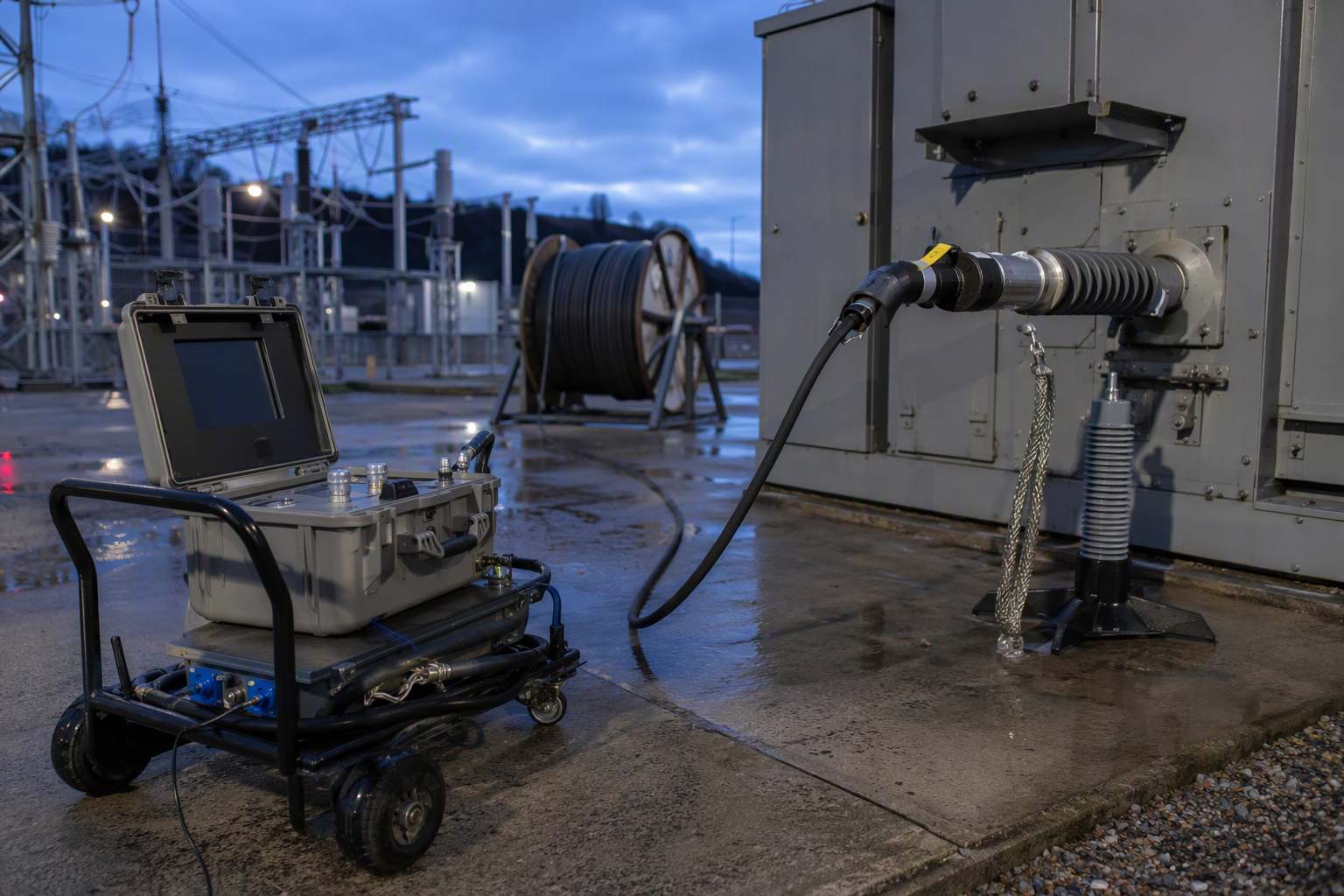
VLF cable testing explained: why 0.1 Hz AC replaced DC hipot for MV cables, what IEEE 400.2 sets for voltage and duration, and how to prepare terminations.
Read article →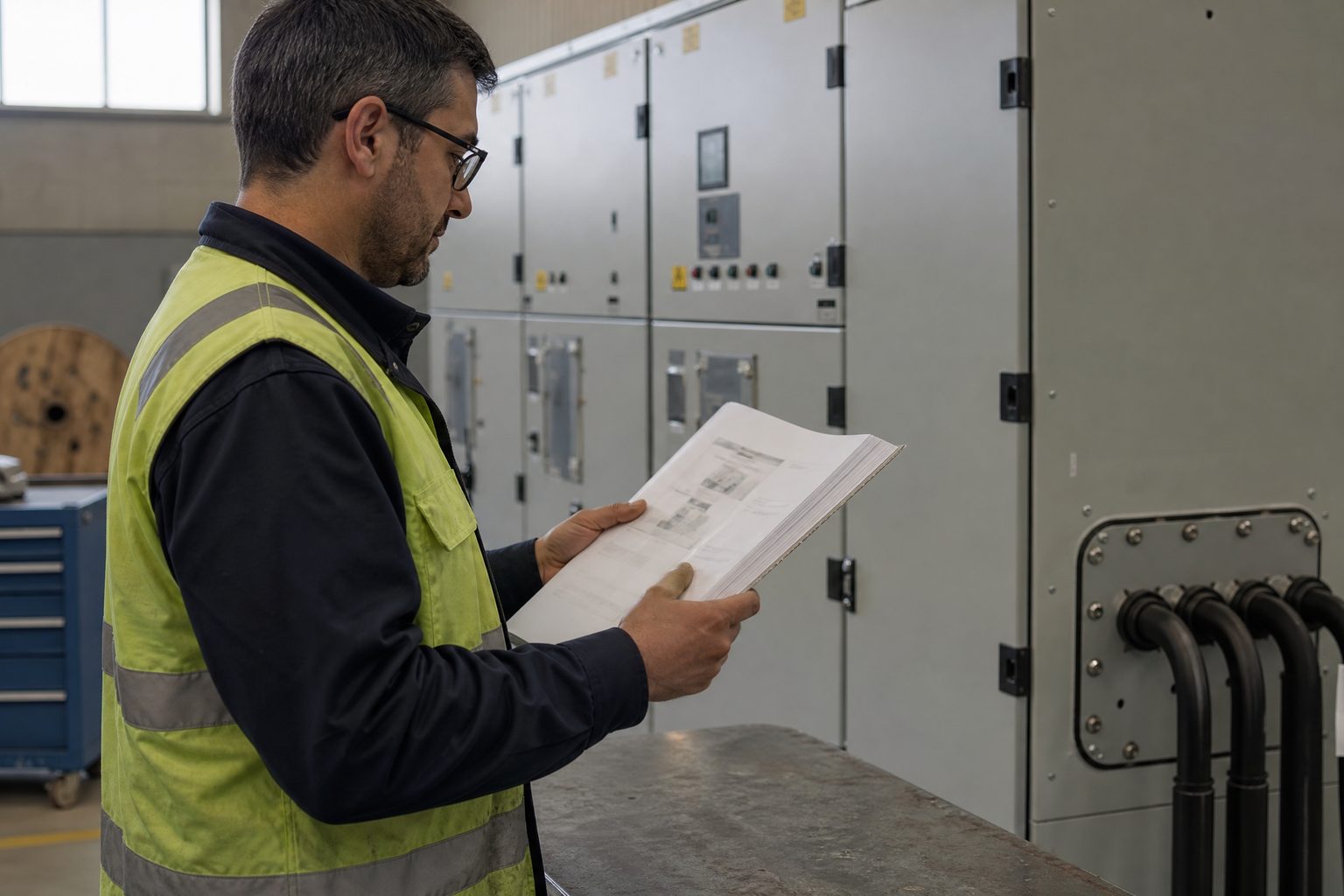
Type test report for MV switchgear: what the document must contain, how it differs from routine test records, and what to verify before you accept one.
Read article →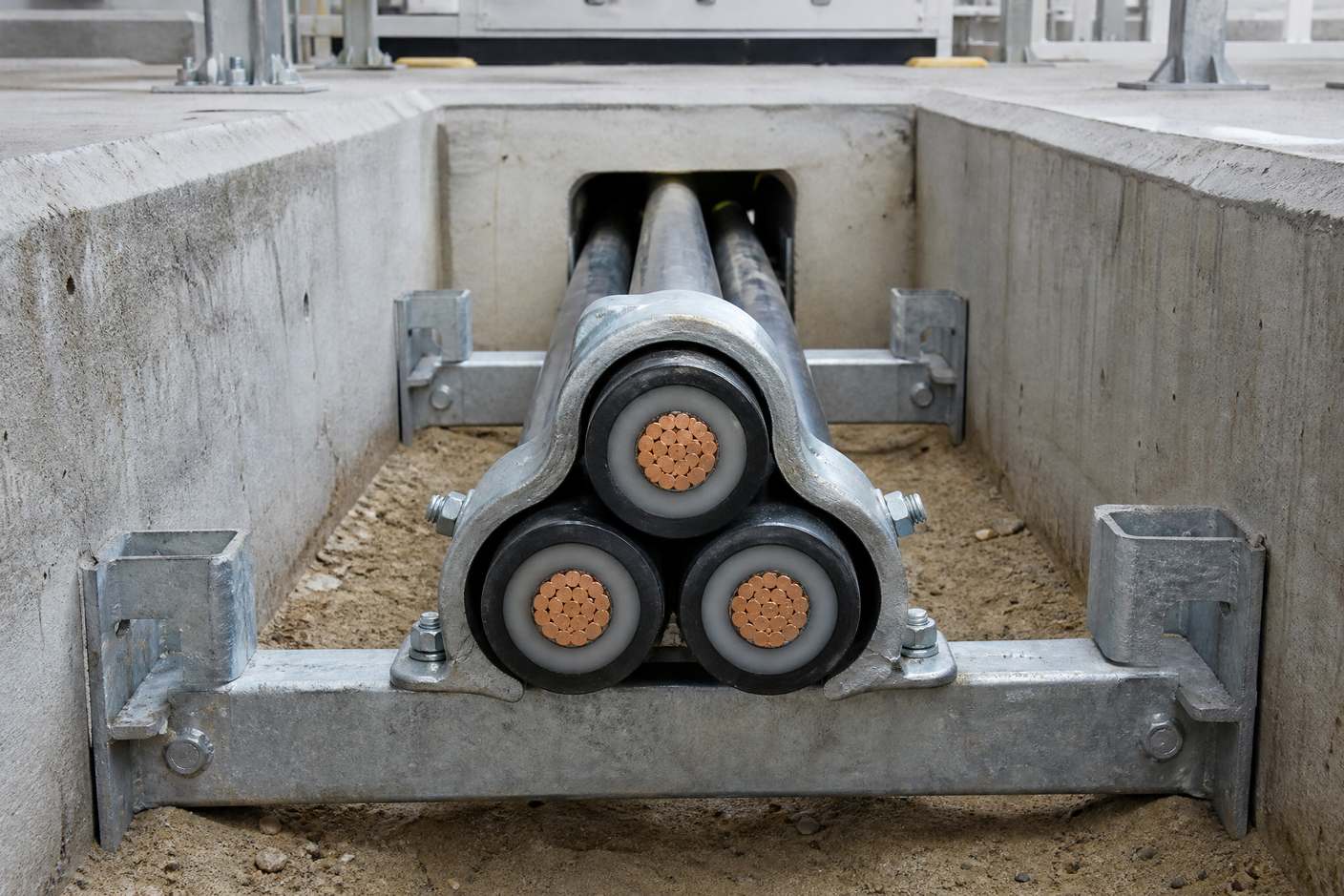
Trefoil formation for single core cables: how sheath voltage is induced, how trefoil compares with flat layout, and which bonding method keeps the cable rating.
Read article →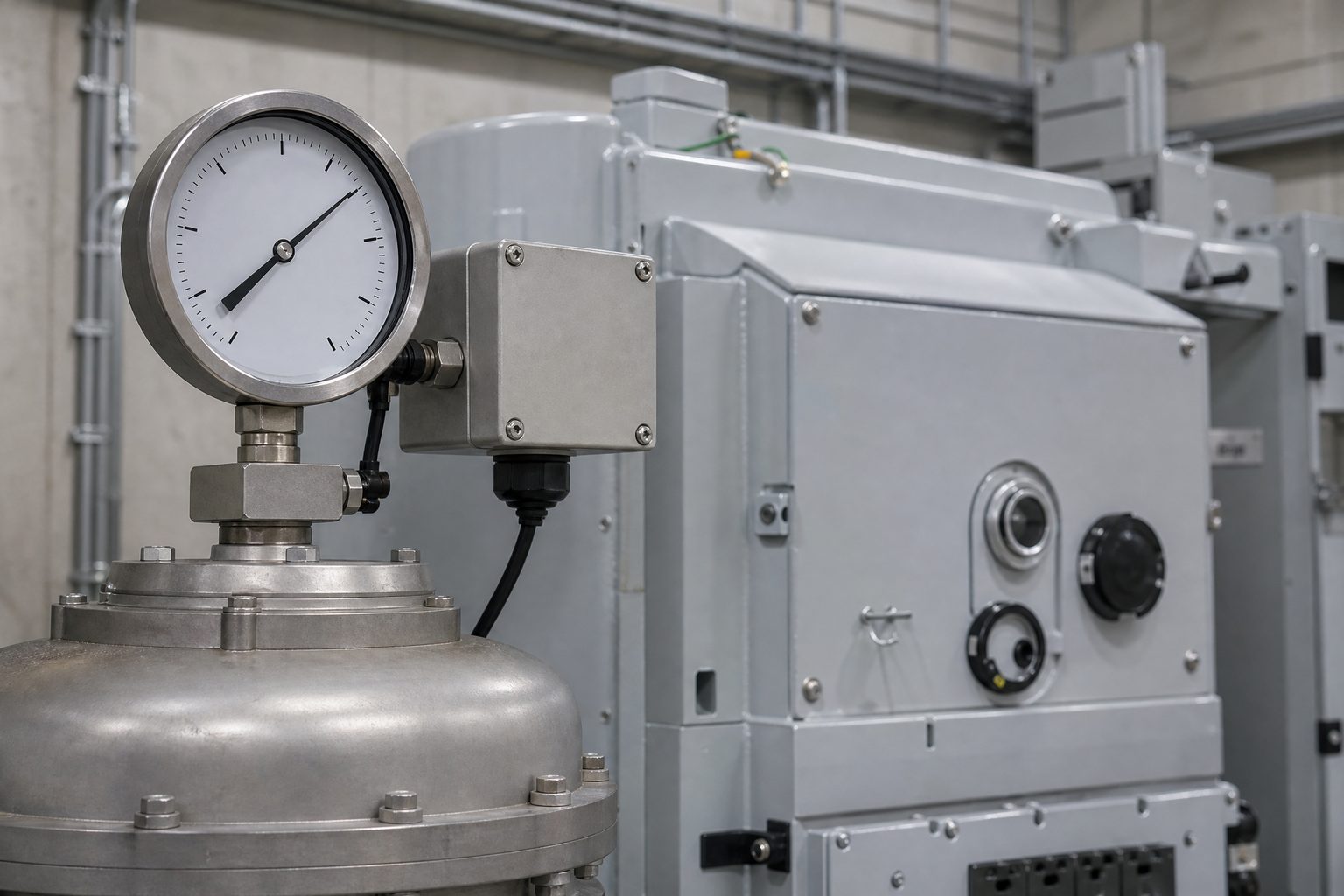
SF6 gas density monitoring explained: why pressure misleads, how temperature compensation works, what the alarm stages mean and how to verify a monitor.
Read article →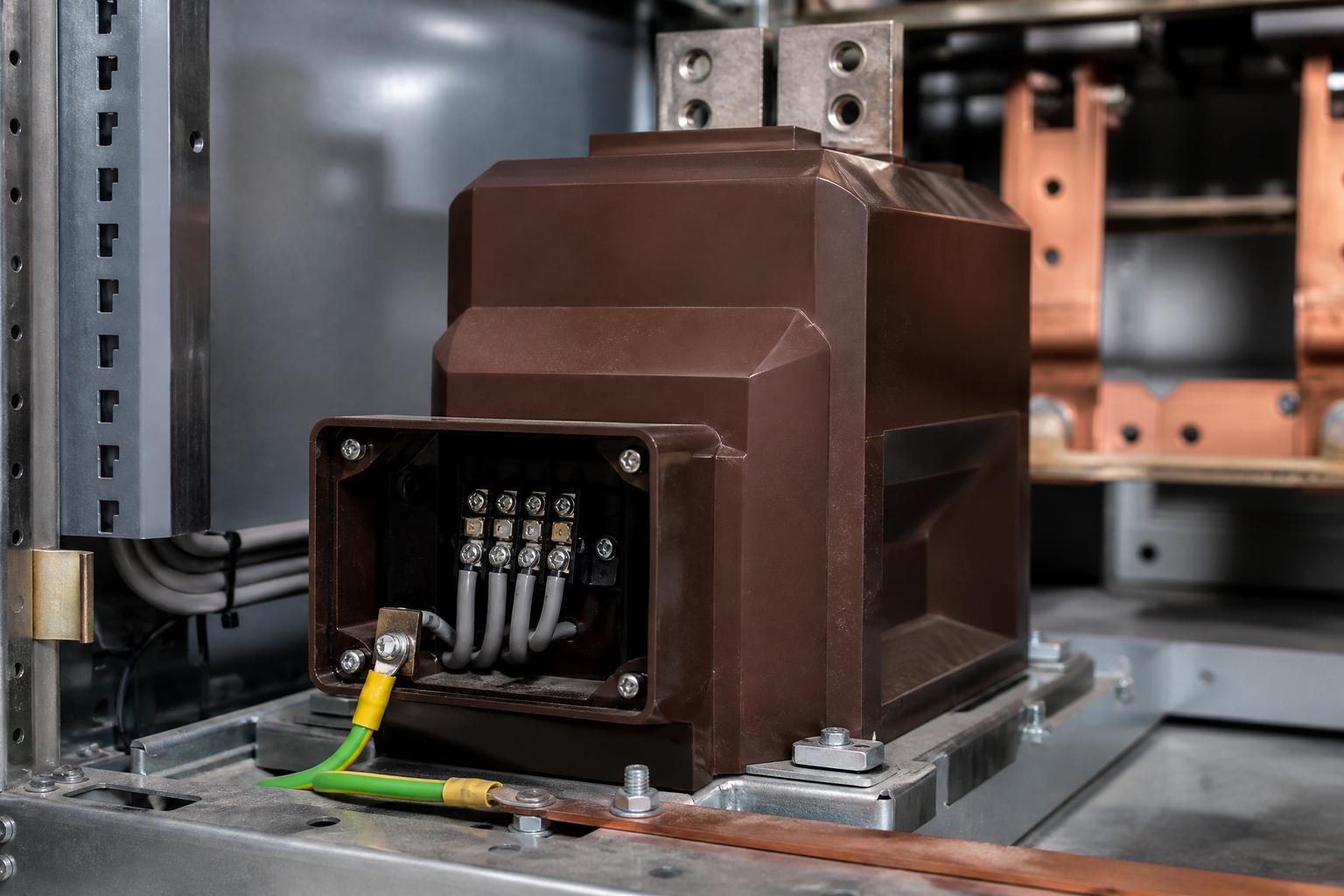
CT secondary earthing explained: why a current transformer secondary circuit is earthed at one point, where that point belongs, and what two earths do to protection.
Read article →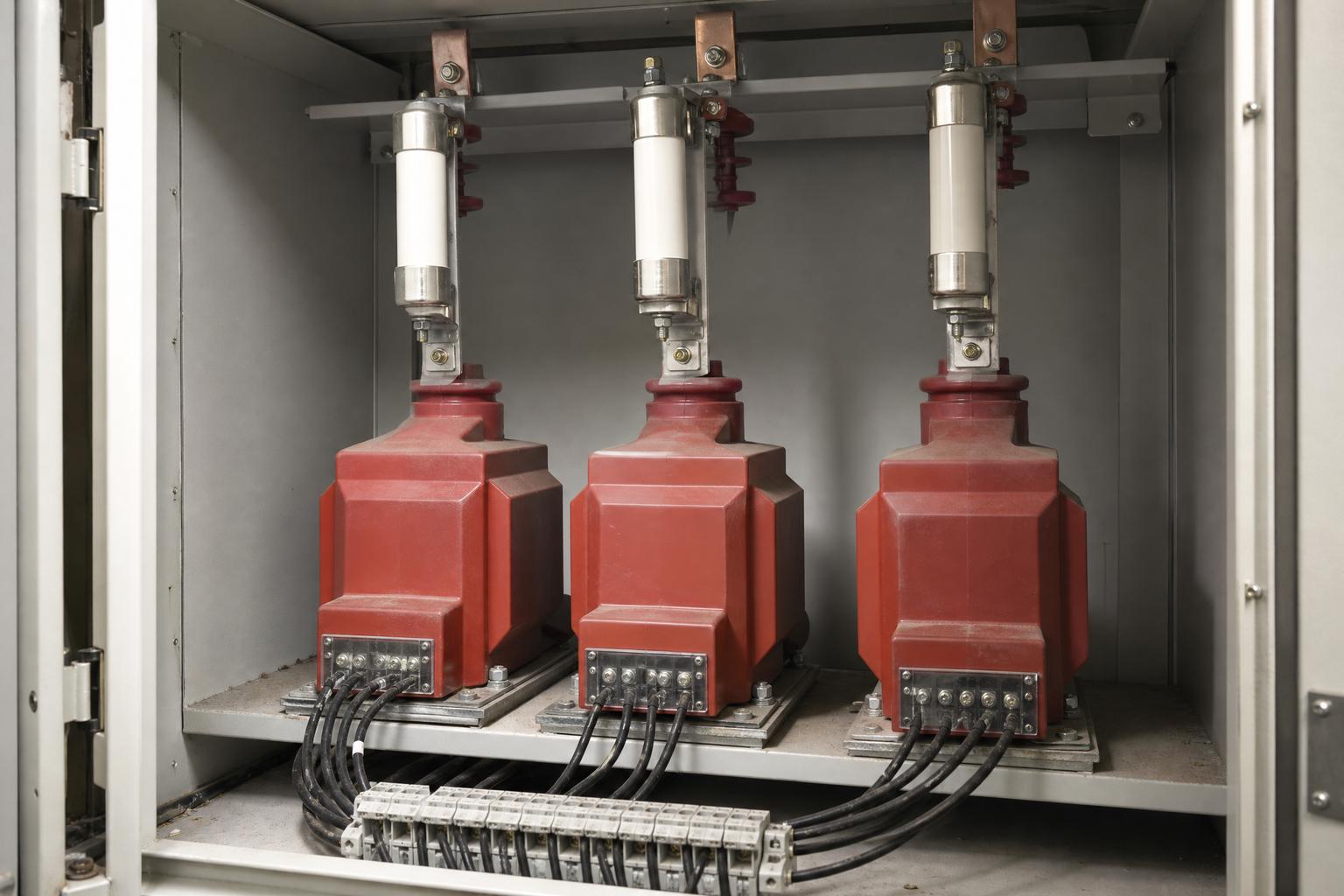
Ferroresonance explained for 10-35 kV networks: why phase-to-ground voltage transformers resonate on ungrounded systems, the switching conditions that trigger it and how it is damped.
Read article →
IP rating for switchgear explained: what IP3X, IP4X, IP54 and IP65 declare, which parts of an MV assembly carry which rating, and what the code does not cover.
Read article →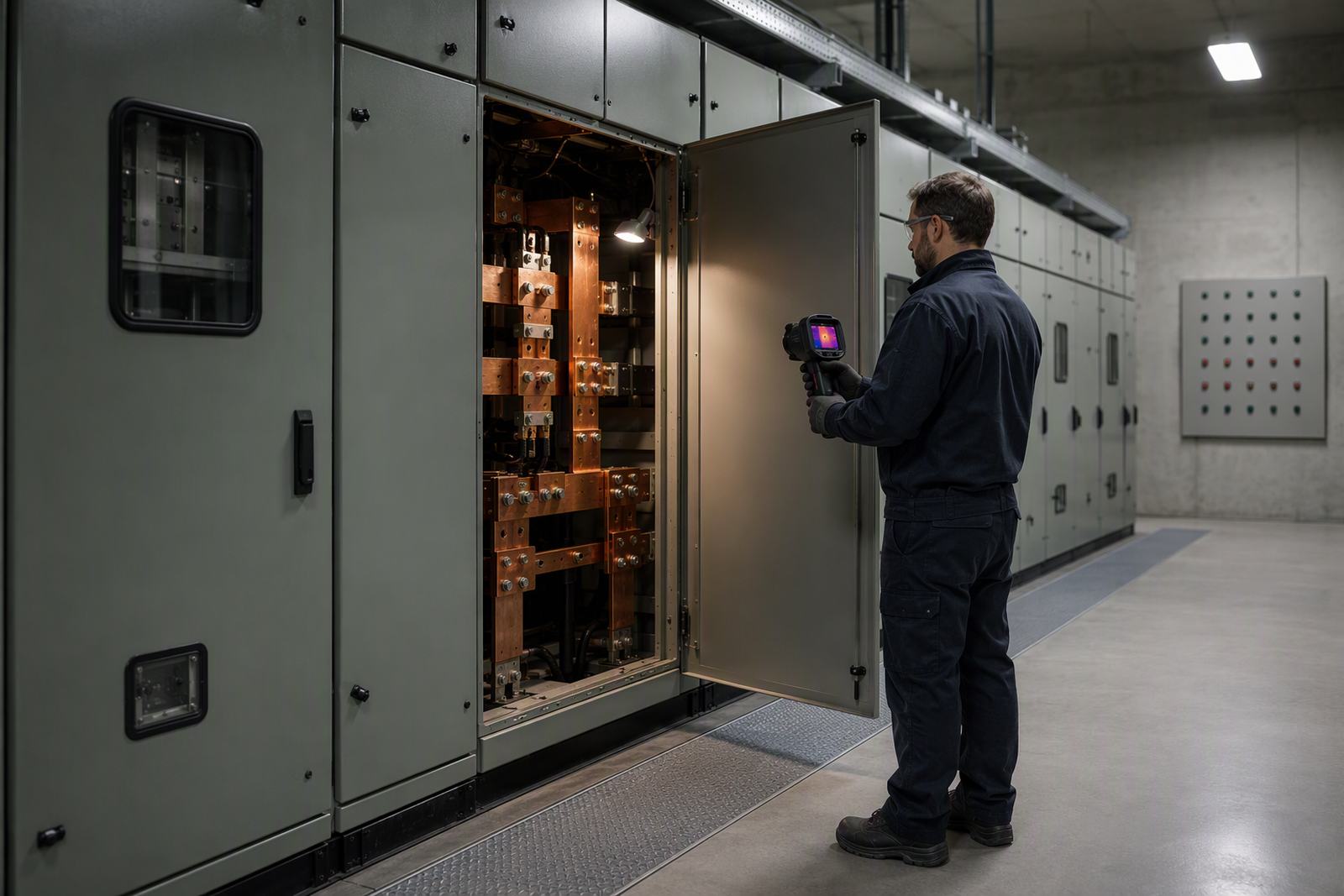
Busbar temperature monitoring in switchgear: why bolted busbar joints overheat, which temperature-rise limits apply, and how fibre-optic and wireless sensors catch it early.
Read article →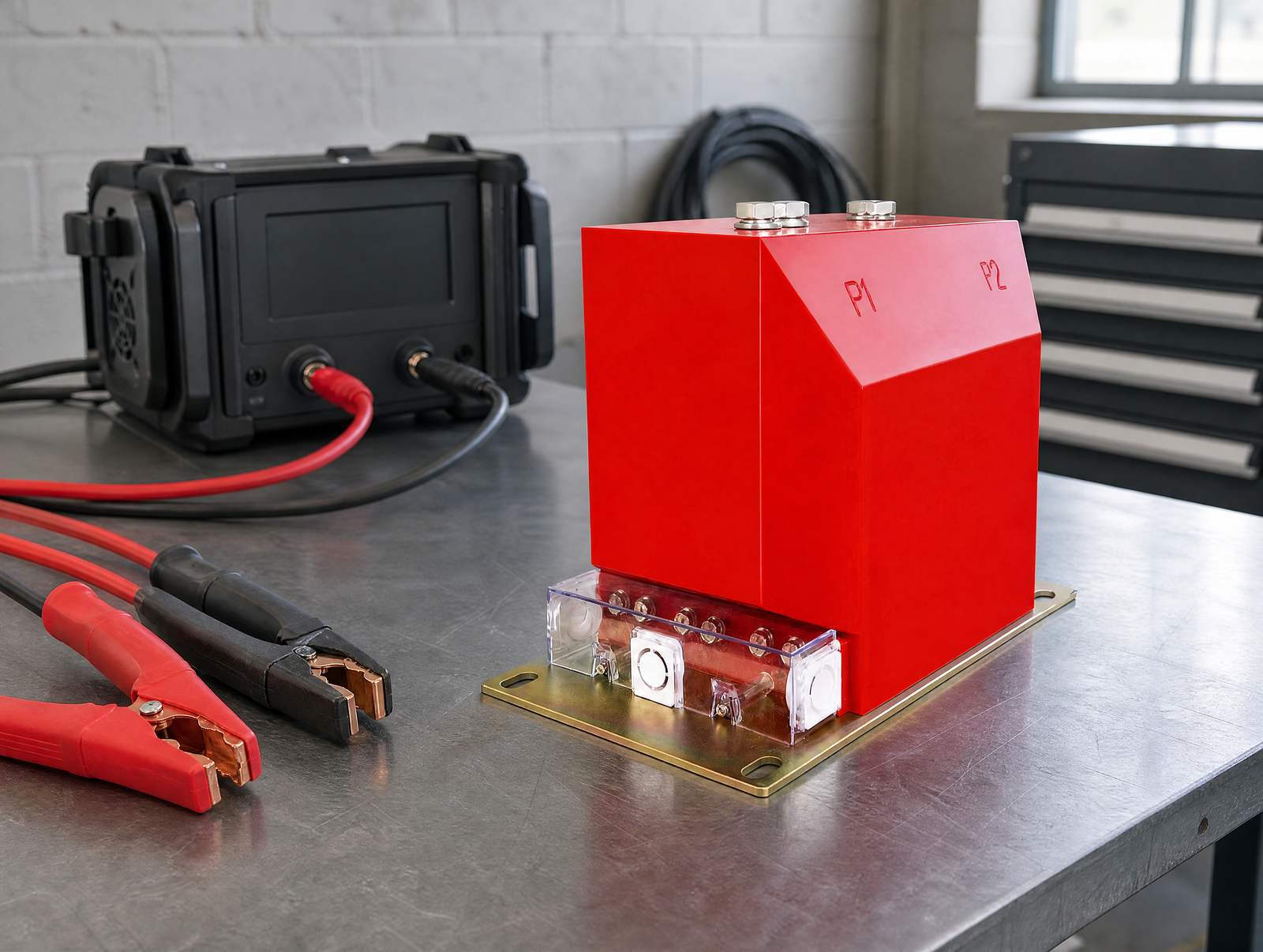
A primary injection test of current transformer circuits proves real ratio, polarity and burden under actual current — and why an open secondary is dangerous.
Read article →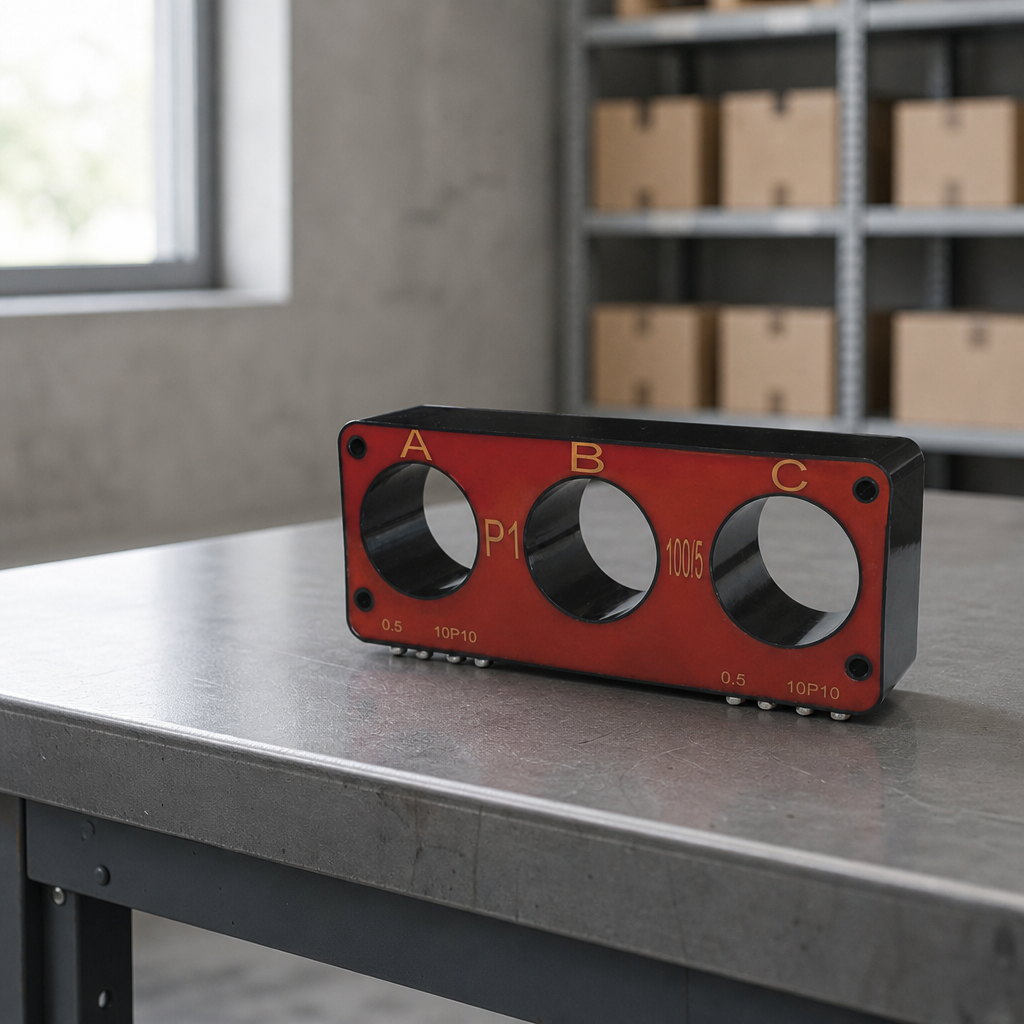
What a three-phase combined current transformer is, where it fits on pole-mounted switches and ring main units, how to size one, and how to read its cores.
Read article →
A cable joint kit explained for LV and MV distribution: what is inside a cold-shrink joint kit, how a joint differs from a termination, and how to specify one.
Read article →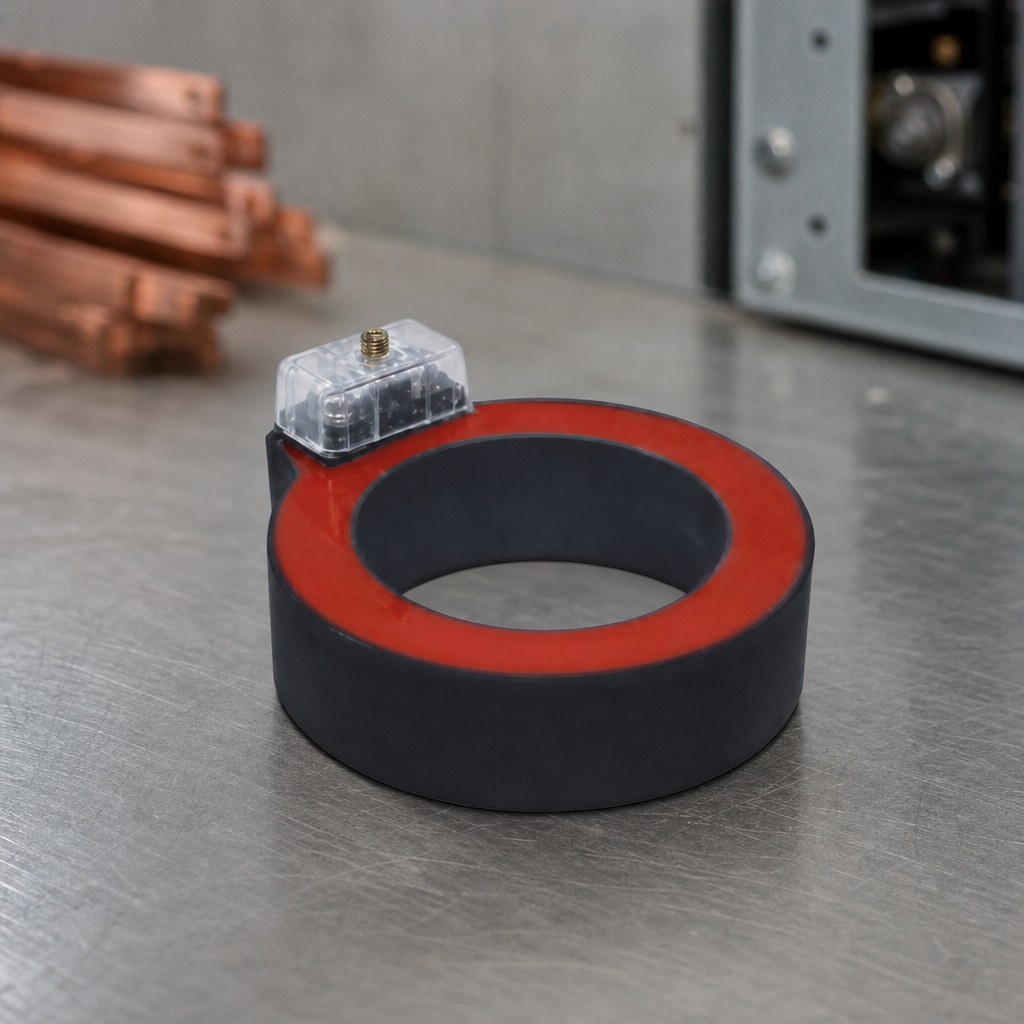
Bushing current transformers explained: how a window CT fits over a bushing or cable, how to size bore and ratio, and what the accuracy class promises.
Read article →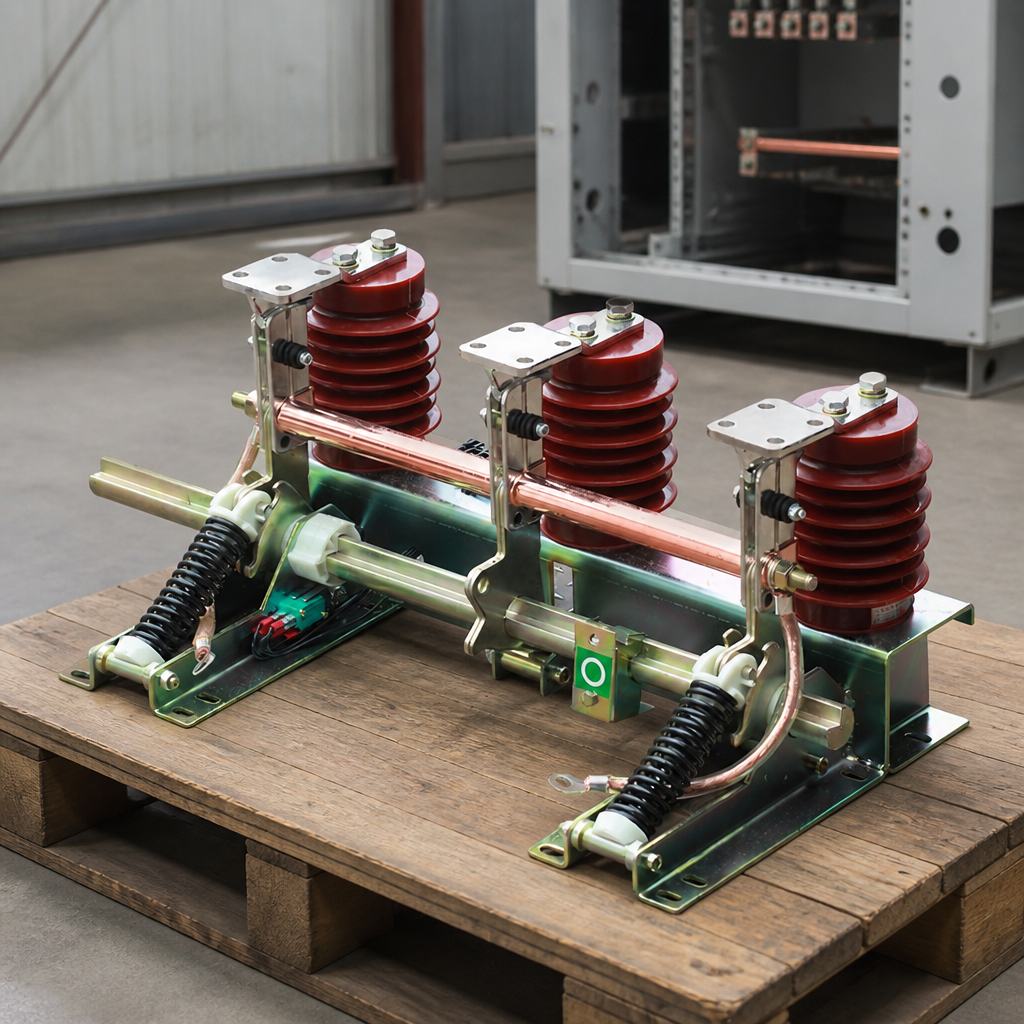
Earthing switch explained for medium-voltage switchgear: short-time withstand current, short-circuit making capability, interlocking and how to specify one.
Read article →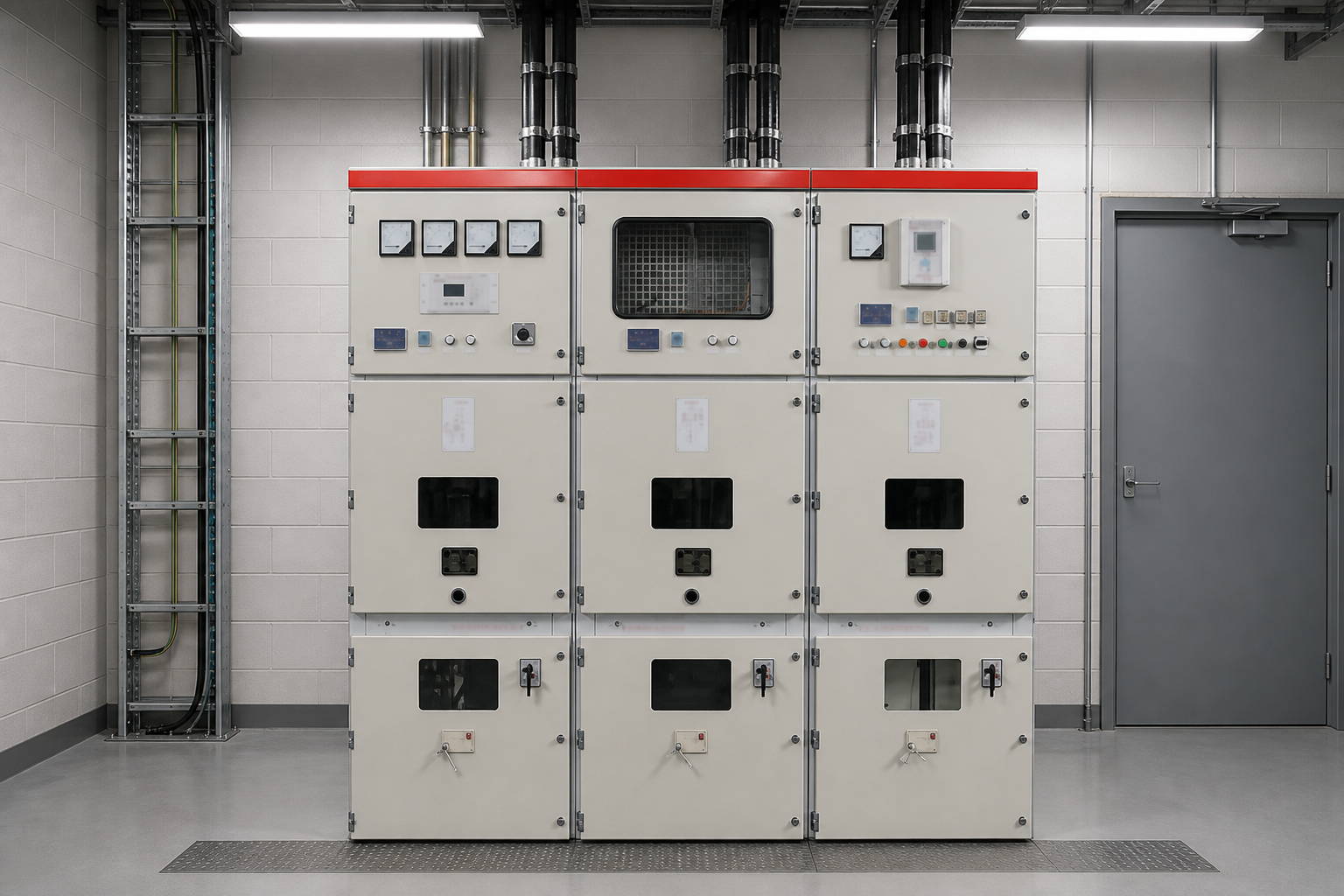
Metal-enclosed switchgear explained for 10-35 kV distribution: the GGD, HXGN15 and KYN28A cabinet families, metal-clad and armored construction, and what to specify.
Read article →
The breakdown voltage of transformer oil: what the BDV test proves, how a sample must be taken, why one reading is not the whole story, and how it is judged.
Read article →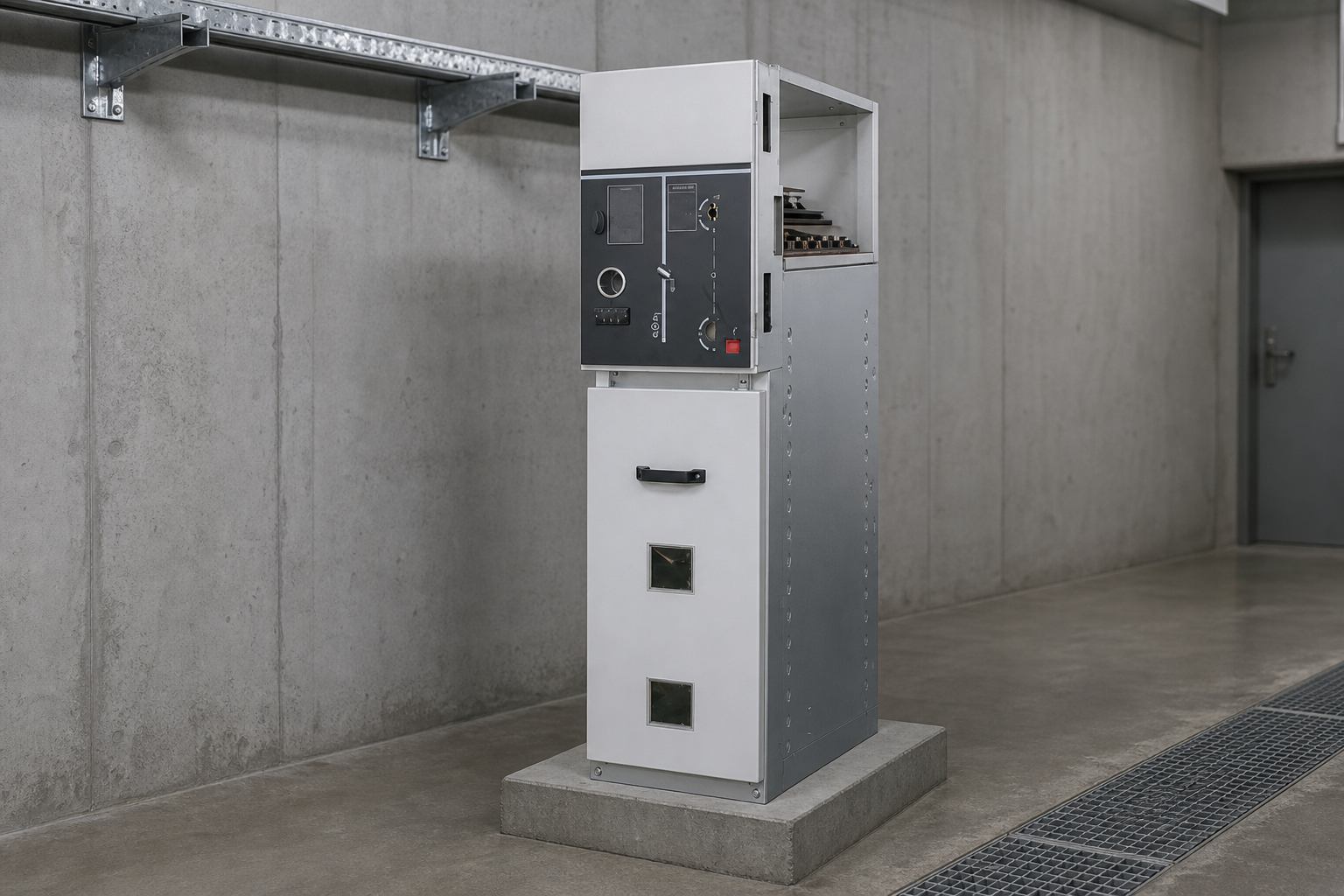
Read a ring main unit single line diagram: ring ways, transformer tee-off, earthing switches, interlock notes, metering points and a pre-submission checklist.
Read article →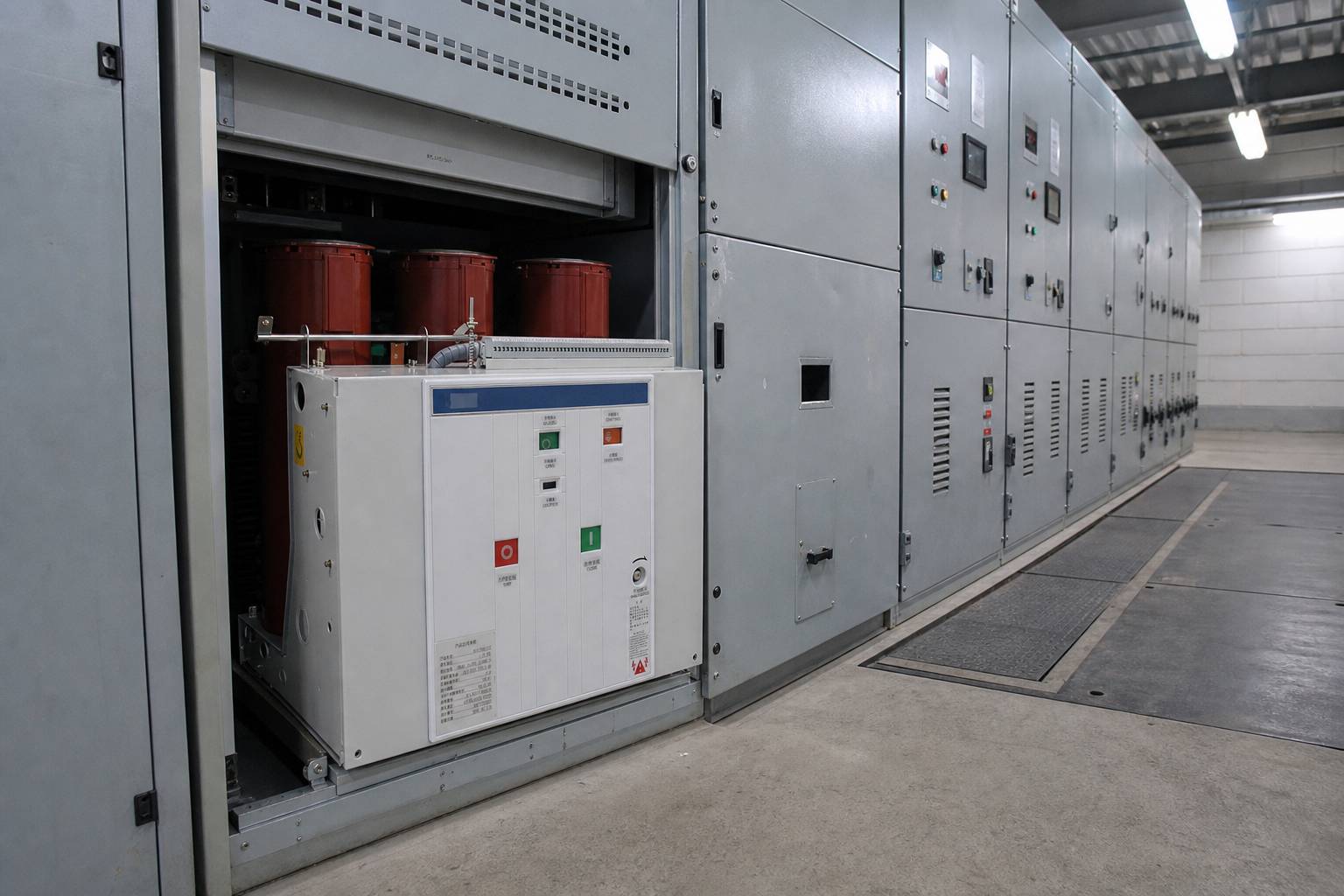
How to write and read an 11kV vacuum circuit breaker specifications document: the ratings, mechanism, interlocks, IP rating and test evidence a project must state.
Read article →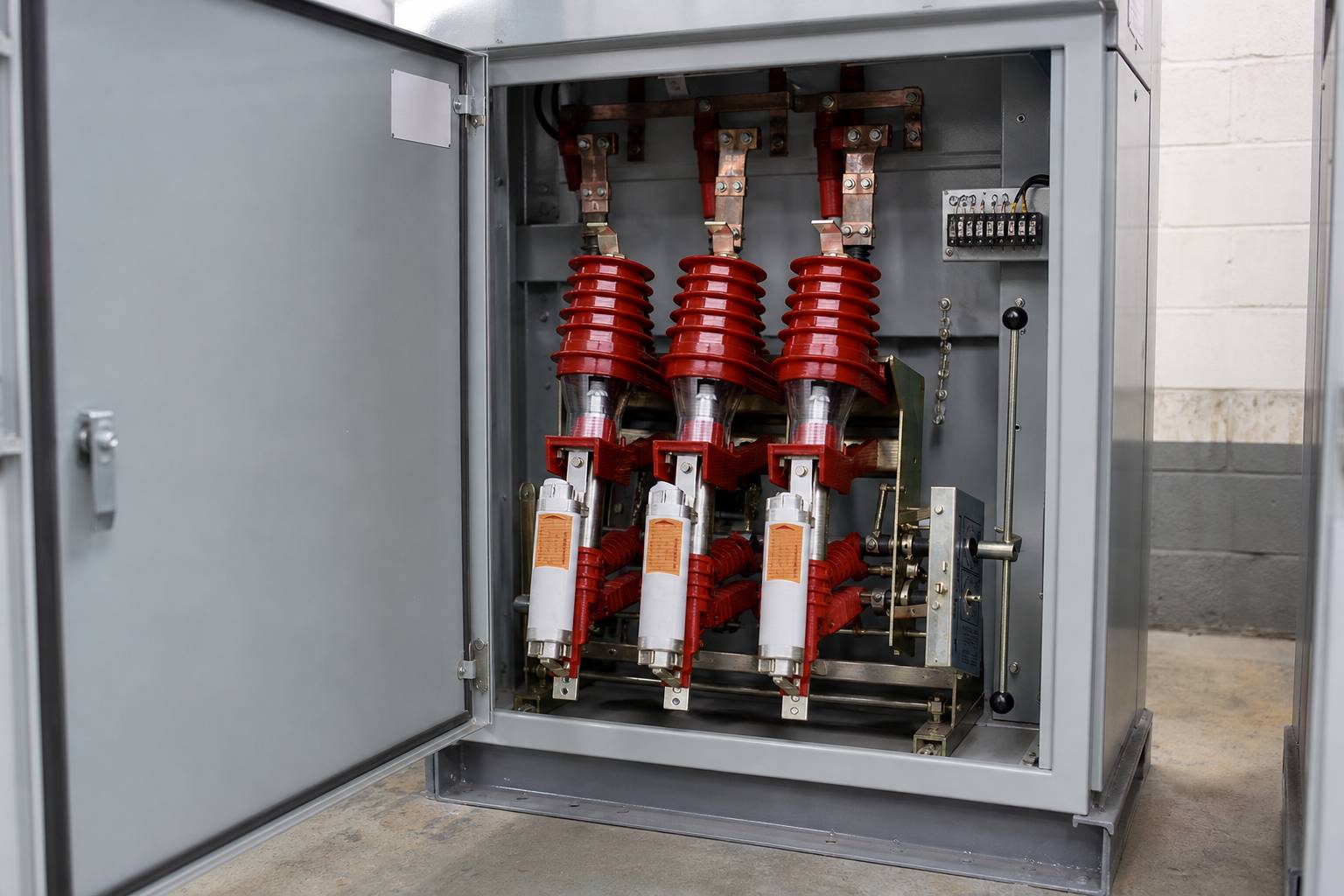
SF6 load break switch versus vacuum and air: how each medium quenches the arc, and what it changes about enclosure size, maintenance, regulations and disposal.
Read article →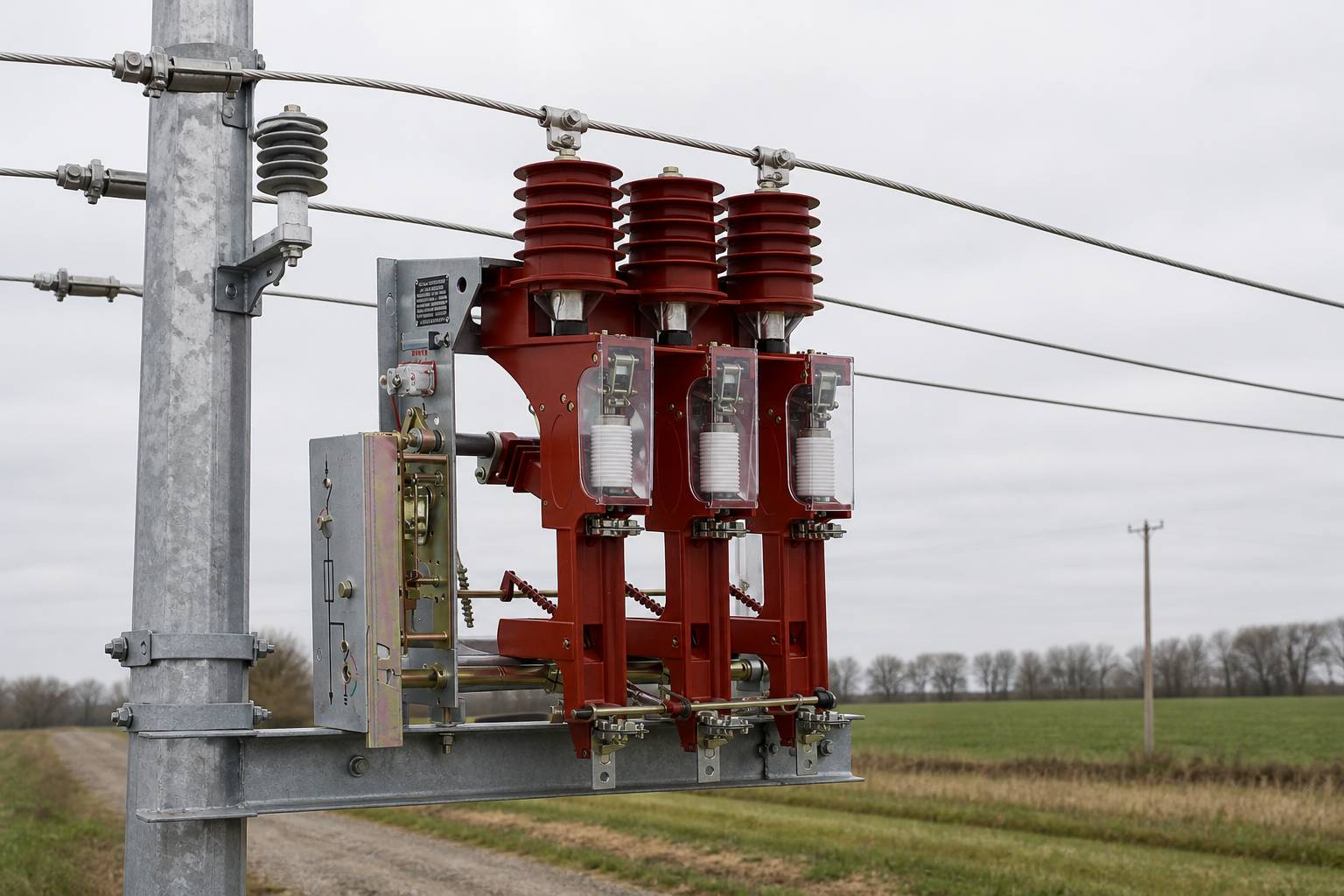
Load break switch 33kV selection guide: the ratings a project must fix, indoor vs outdoor vs pole mounting, mechanisms, earthing interlocking and creepage.
Read article →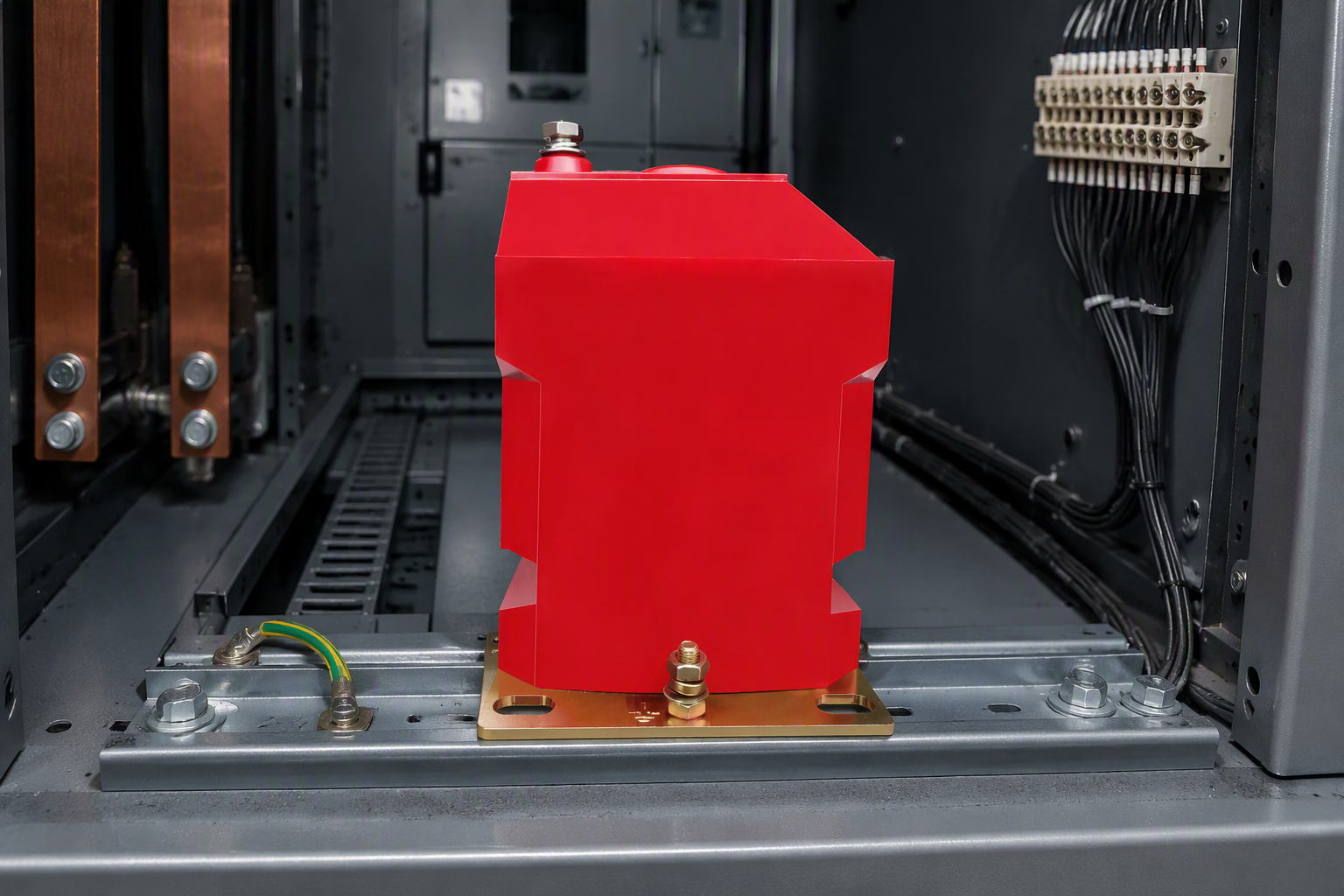
An electrical transformer changes AC voltage by electromagnetic induction. Learn the working principle, transformer parts, turns ratio formula and main types.
Read article →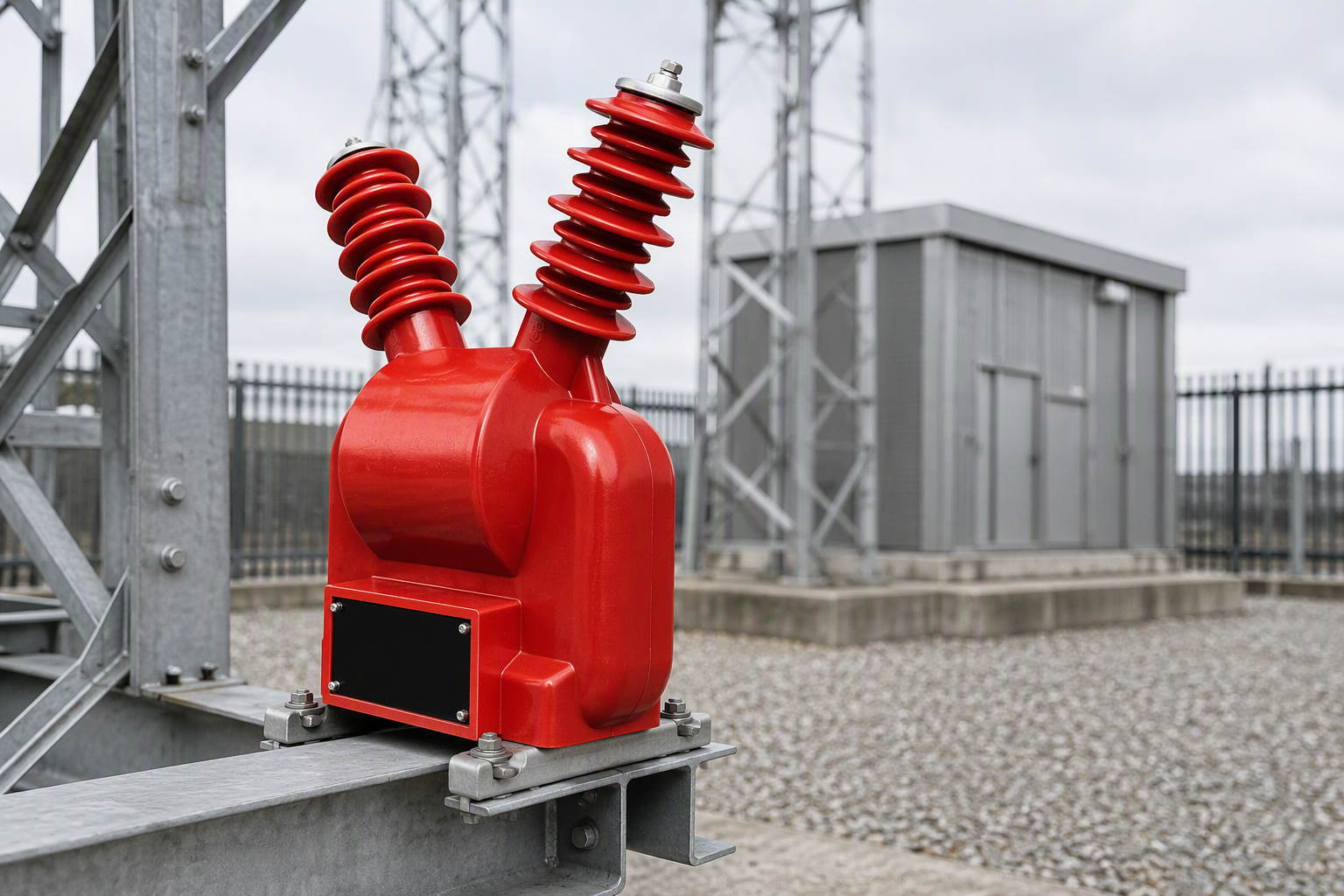
A transformer delta wye connection links a delta primary to a wye secondary. Compare 3 phase delta connection, 3 phase wye, vector groups and selection.
Read article →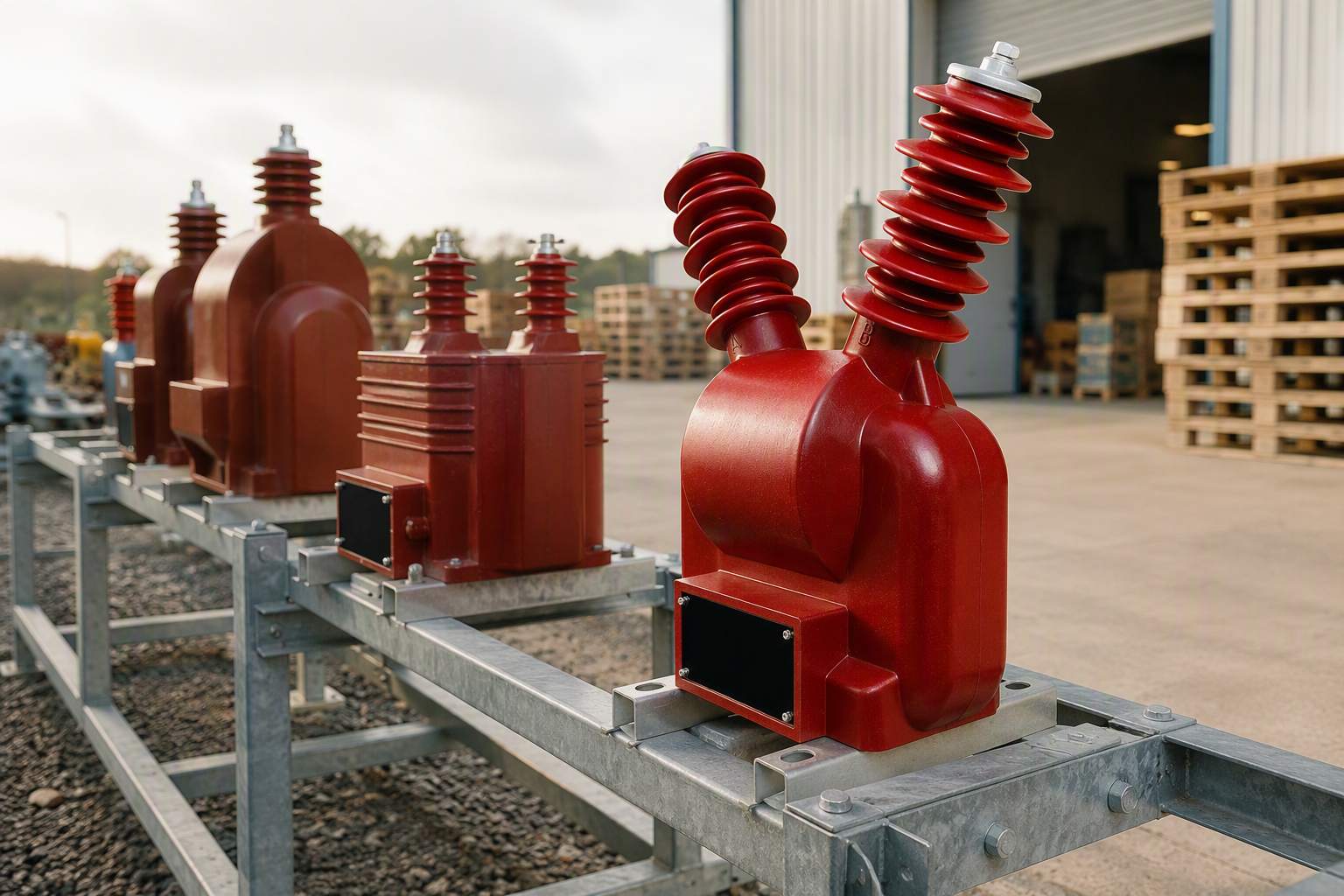
There are many different types of transformers. Start with the 2 types of transformer, step-up and step-down, then compare core vs shell and dry vs oil units.
Read article →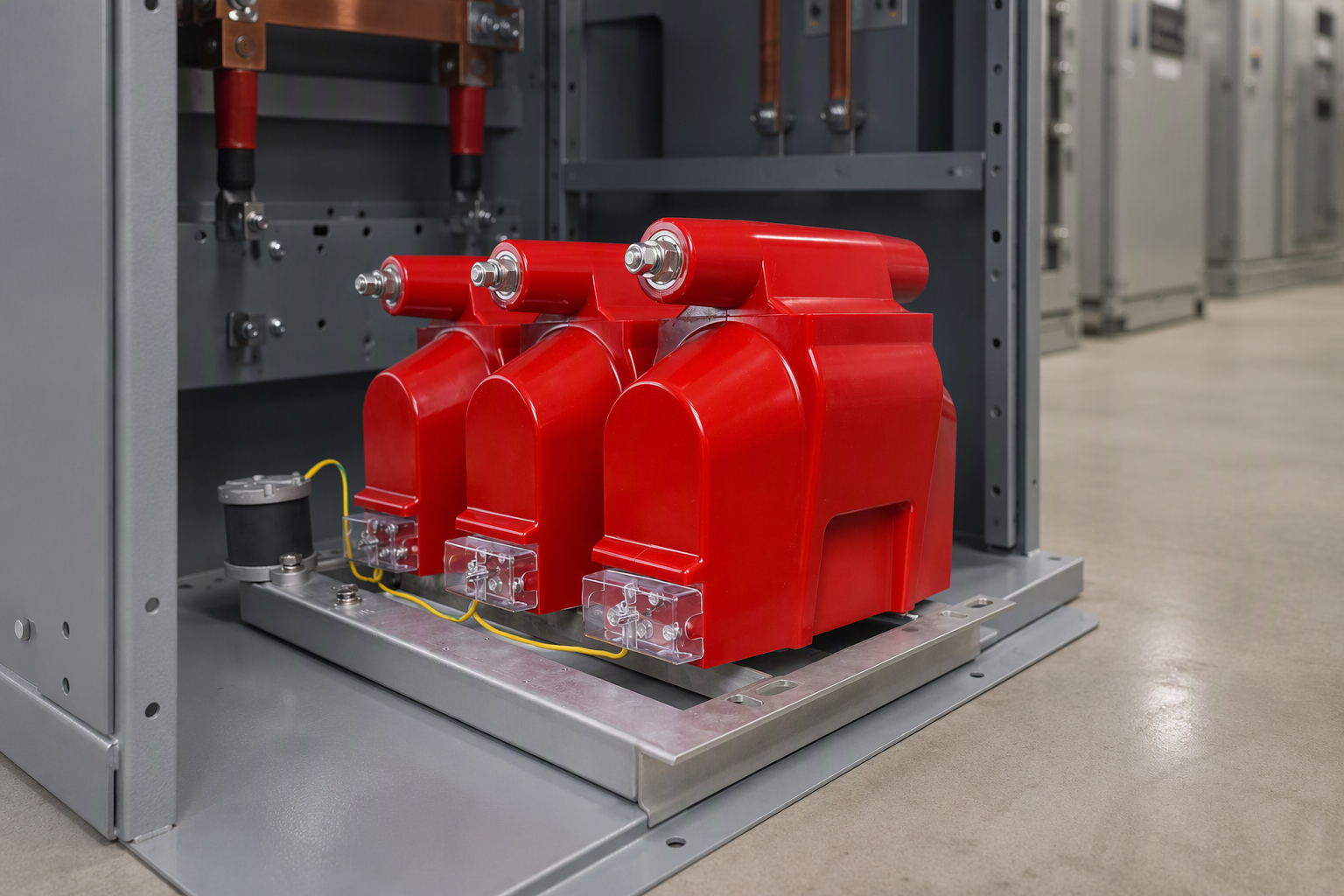
How a 3 phase transformer works: its magnetic circuit, star, delta and zig-zag connections, the 3 phase transformer bank trade-off, wiring diagrams and sizing.
Read article →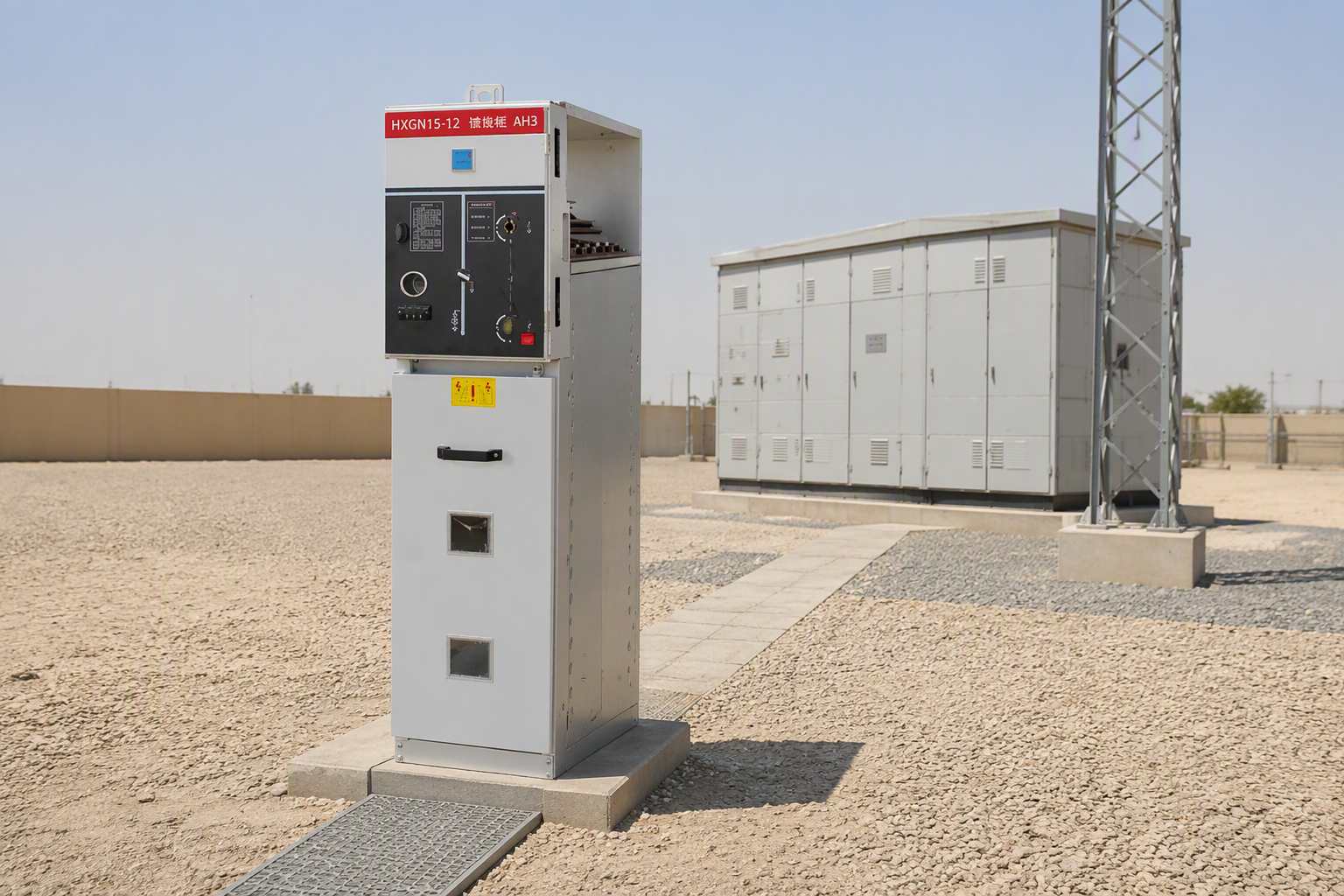
Ring main unit types compared: 2-way, 3-way, 4-way and extensible RMUs, SF6 versus vacuum versus air insulation, and how to specify the right one for a network.
Read article →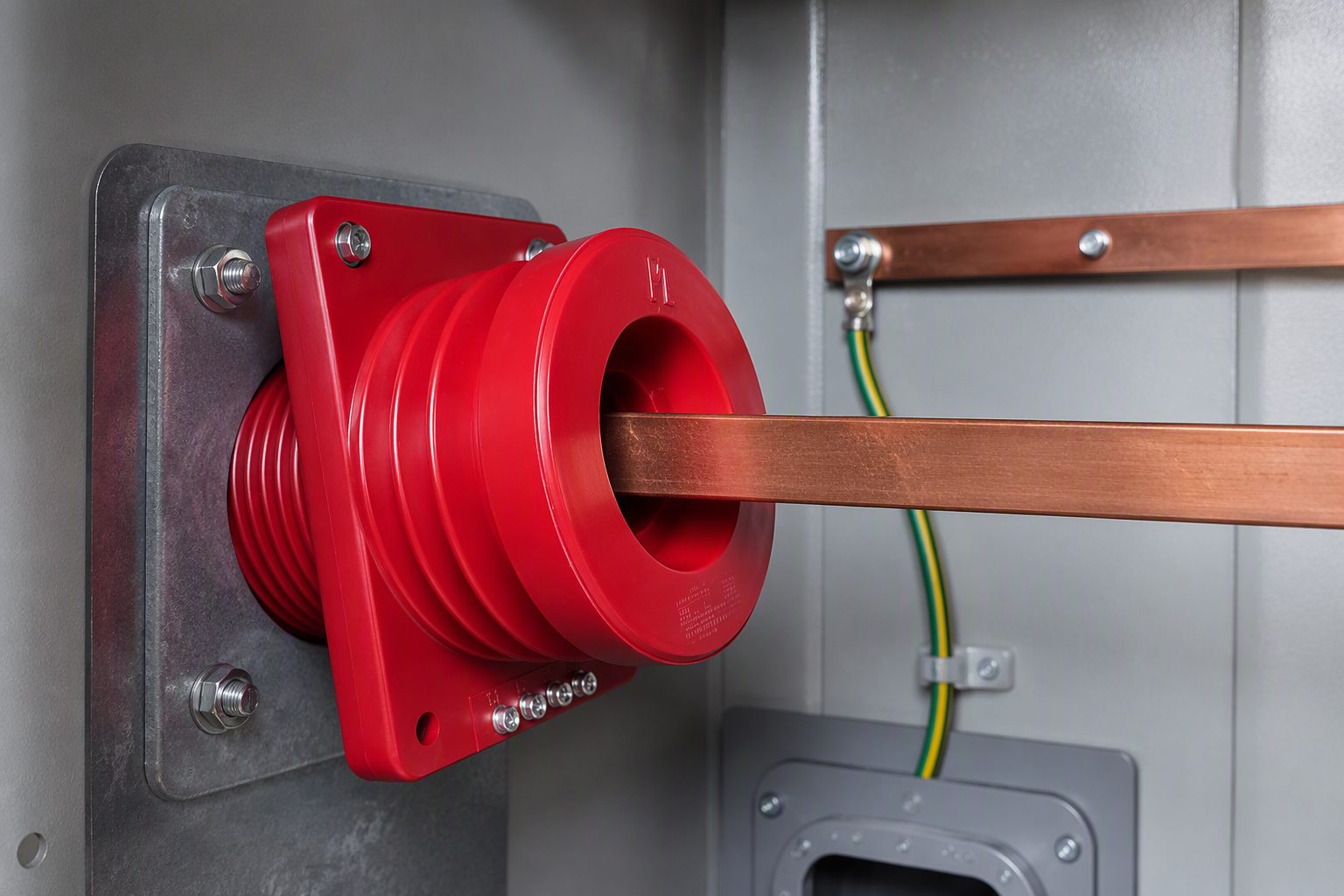
A neutral current transformer measures current in a transformer neutral or cable for earth-fault protection. See where it sits and how to size and specify one.
Read article →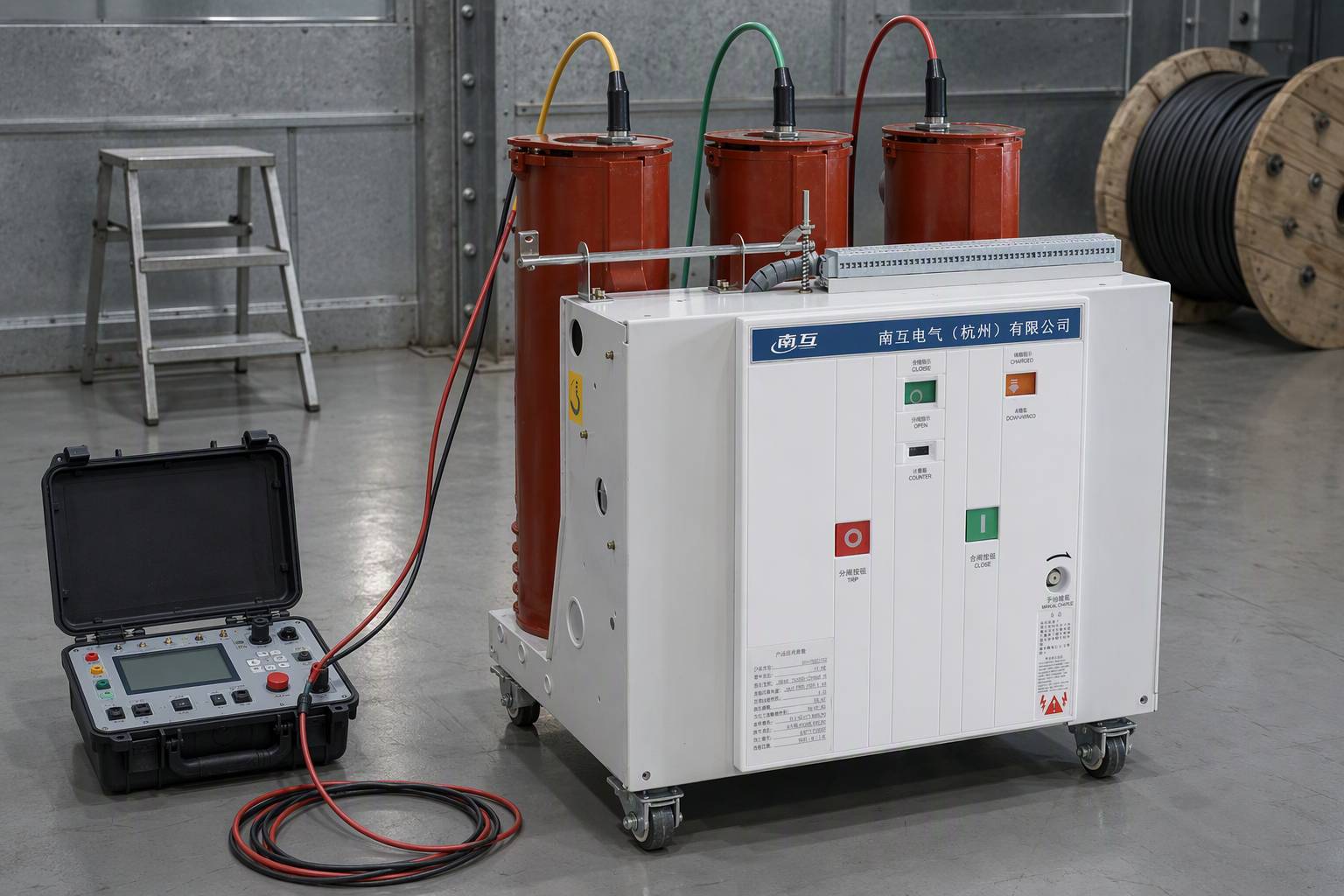
Vacuum circuit breaker testing procedure: factory routine tests, site pre-energisation commissioning checks, full periodic in-service testing and records.
Read article →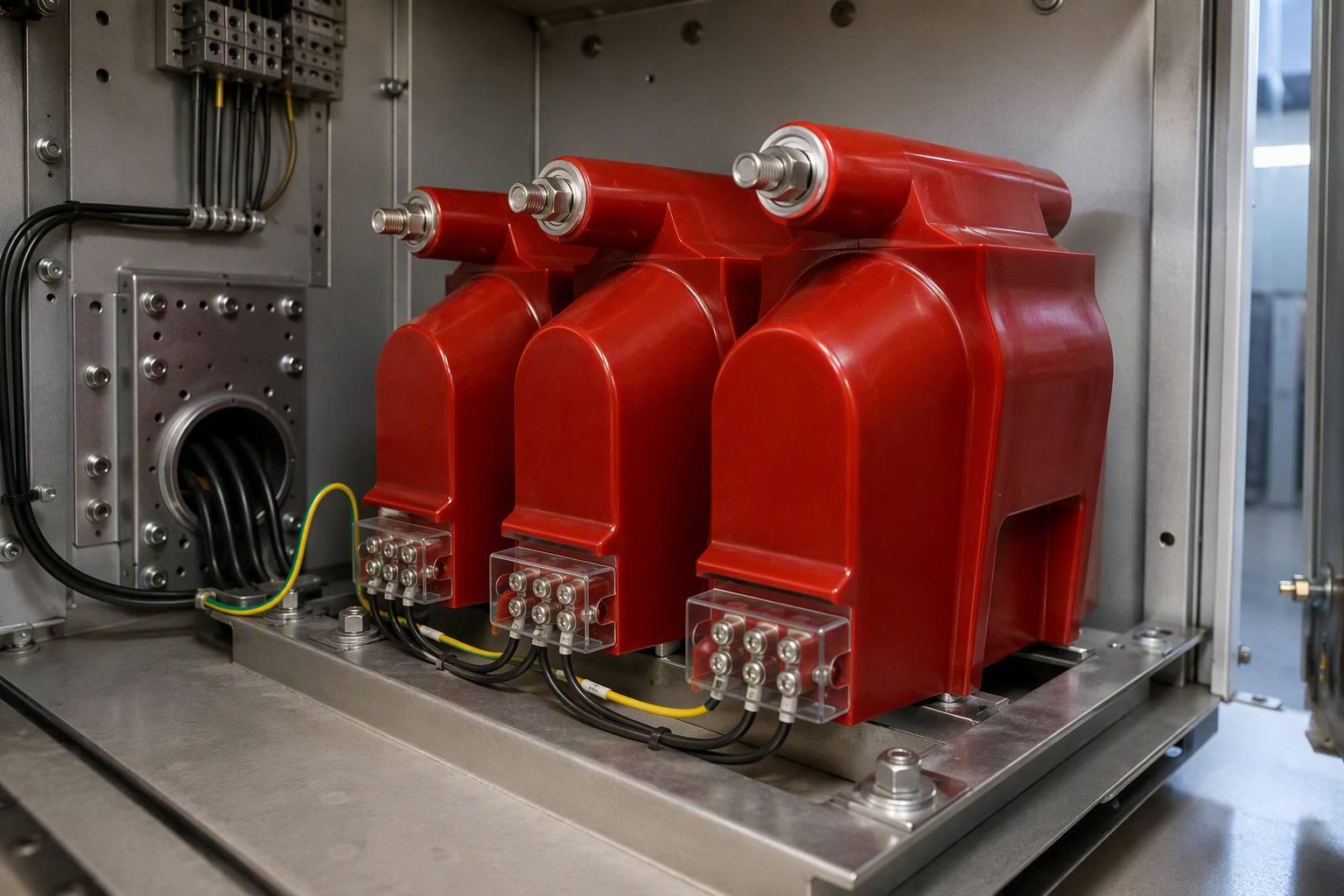
Discover how to choose the right voltage transformer in the Philippines. Compare transformer types, configurations, ratings, accuracy, and key selection factors.
Read article →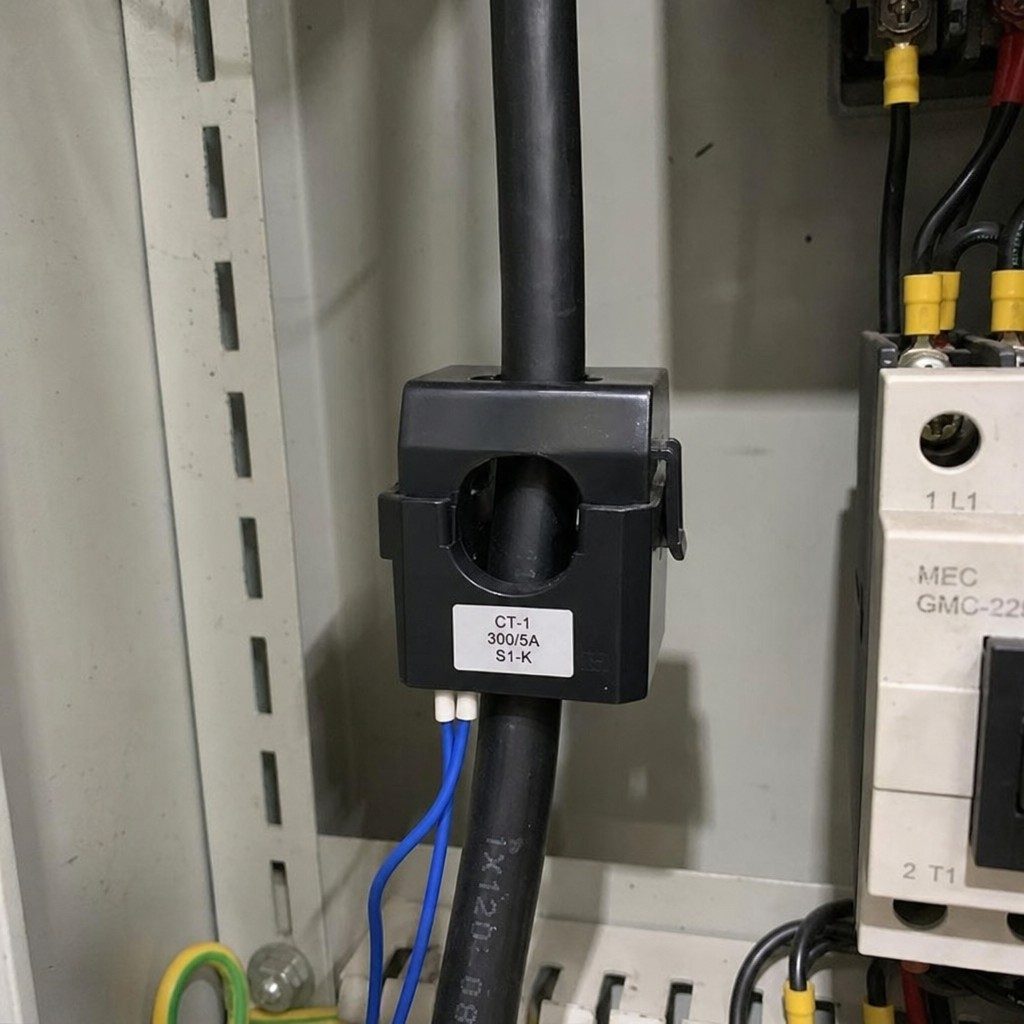
A current transformer steps high current down to a safe, measurable secondary signal. How CTs work, the main CT types, and how to choose and install one.
Read article →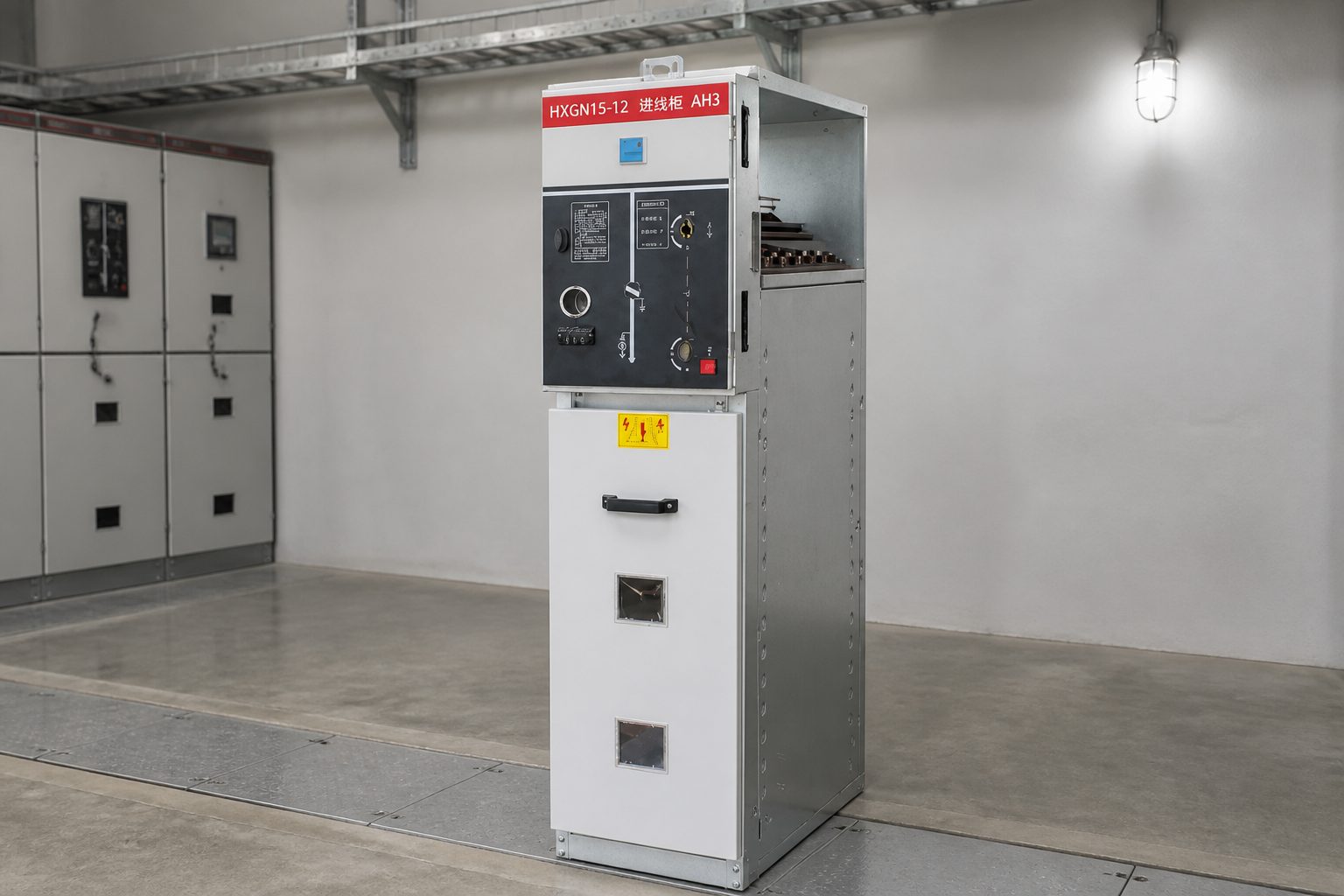
There is no single 11 kV ring main unit price list. What drives RMU cost - switch type, enclosure, protection, testing, quantity - and how to read a quotation.
Read article →
A supplier-selection checklist for utility, EPC and panel-builder buyers: reading IEC 61869 type test evidence, verifying factory capability, and the risk signals that give away a trader.
Read article →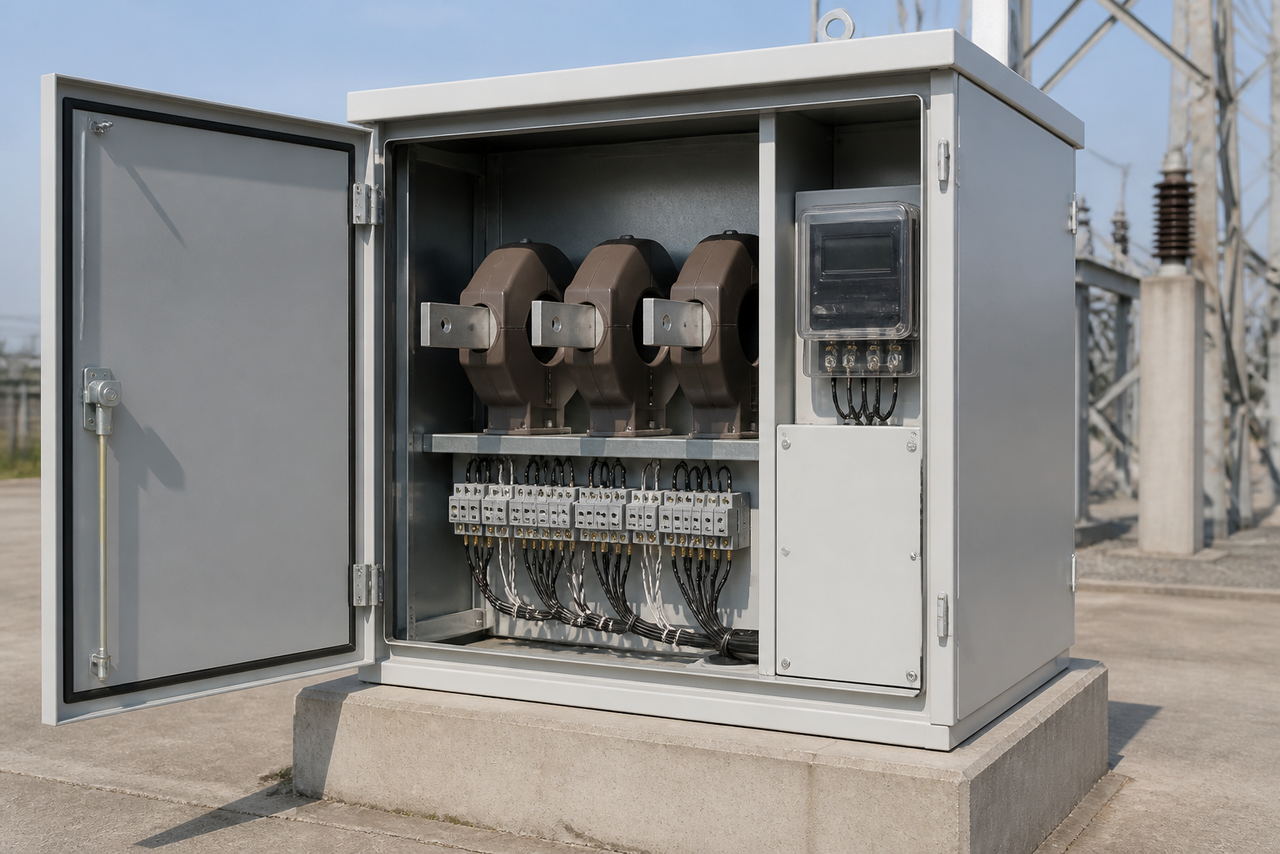
A CT meter box houses the CTs, test terminal block and meter for a CT-operated supply. What it contains, how it is wired and sealed, and what to specify.
Read article →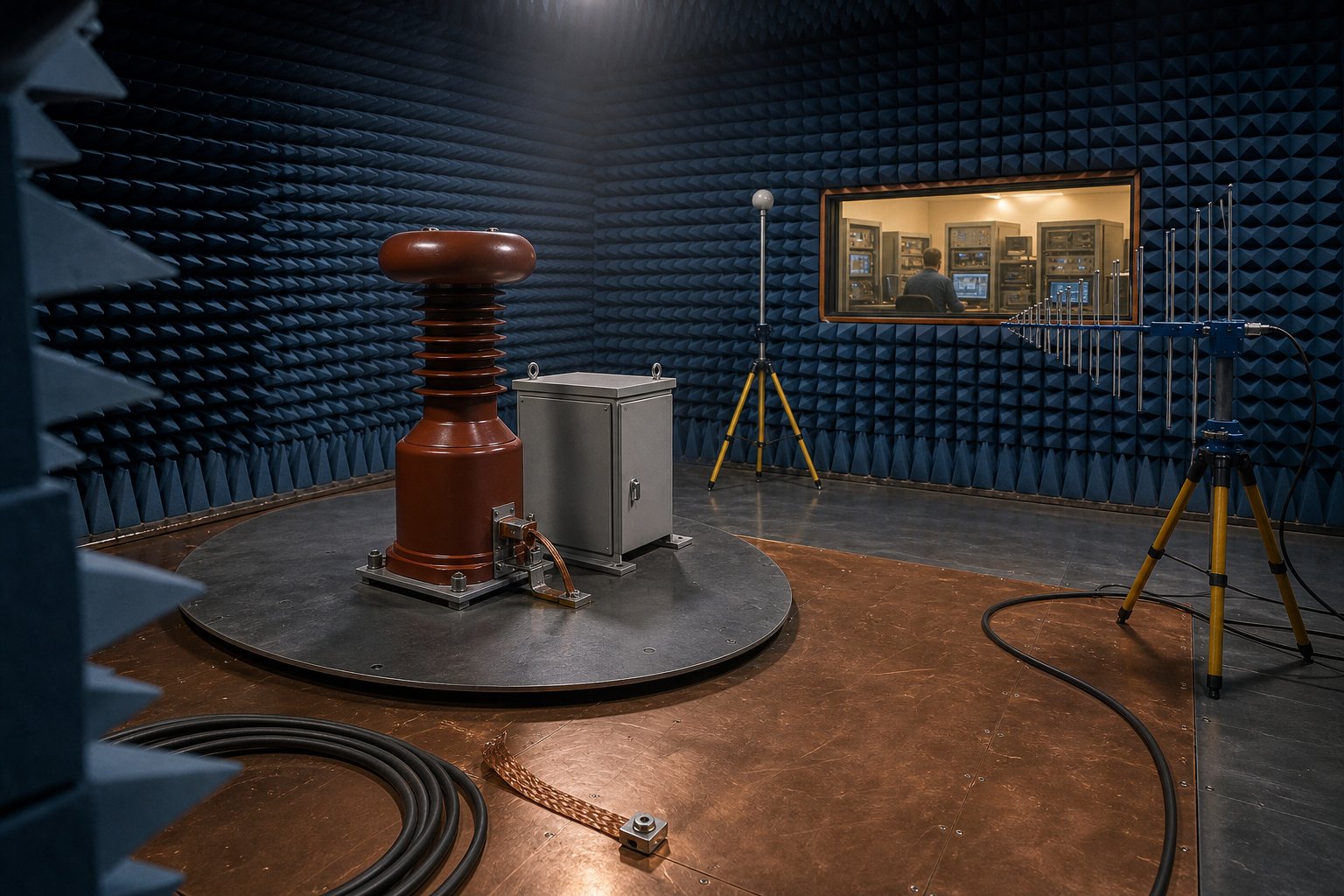
EMC certification explained: what electromagnetic compatibility testing covers, the IEC 61000 and CISPR standards behind it, and how it differs from CE marking.
Read article →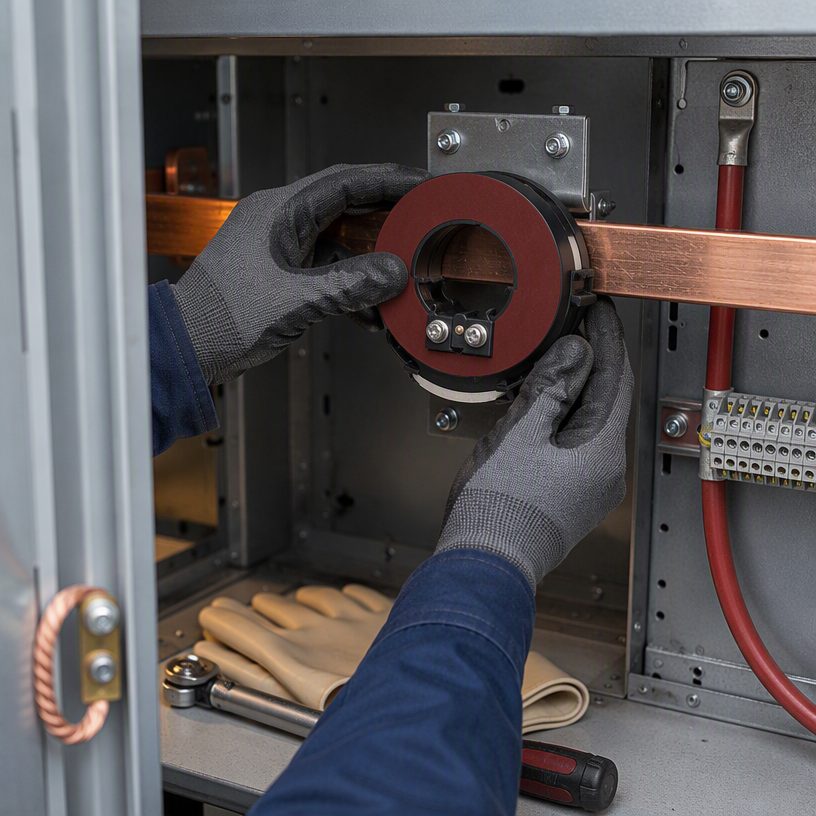
Split-core current transformer retrofit guide: clamp the LMZK-10 around live busbars without breaking the primary circuit, metering or protection classes.
Read article →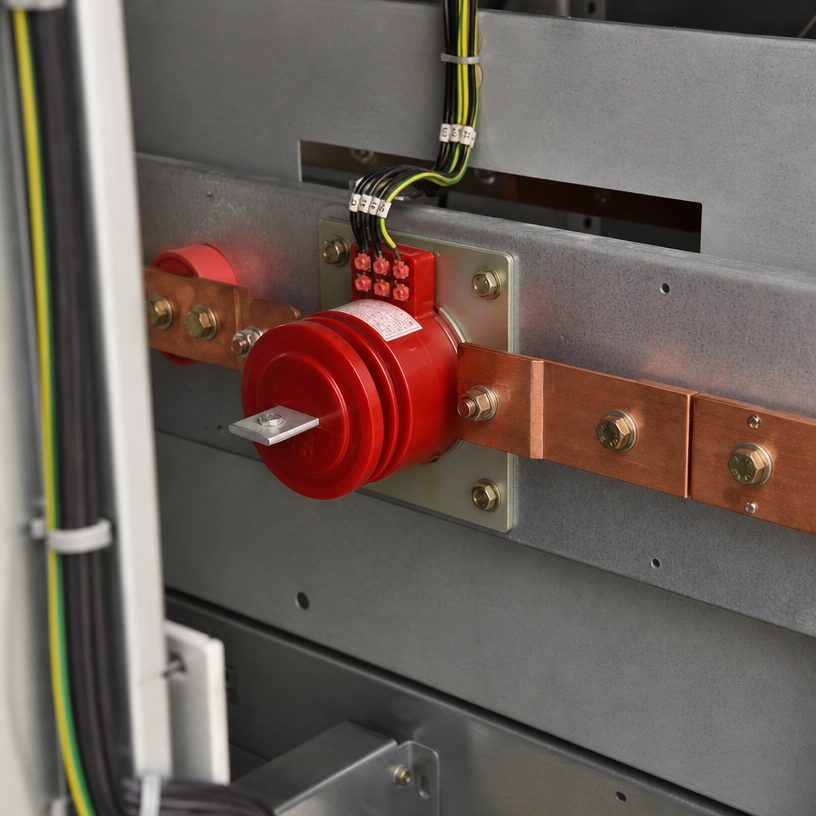
Learn how to specify a medium voltage current transformer: indoor vs outdoor types, cast-resin construction, metering and protection cores, and a complete specification checklist for 3-40.5 kV projects.
Read article →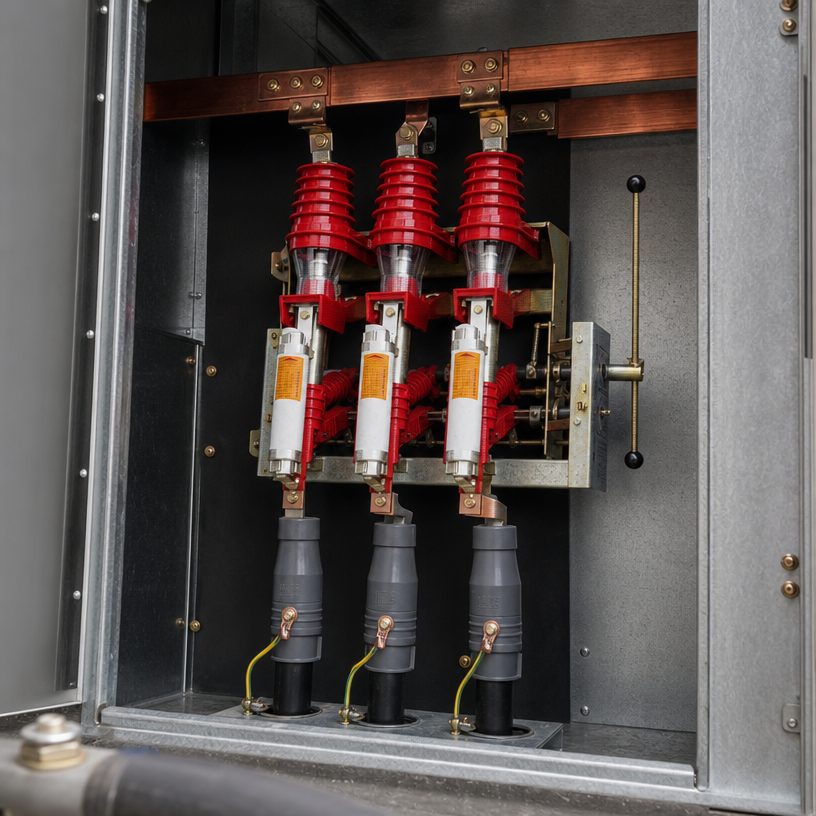
FZN25-12 vacuum load break switch explained: switching duties in 12 kV ring main units, FZRN25-12 fuse-combination protection, 630 A ratings, manual and electric operation, grounding interlock.
Read article →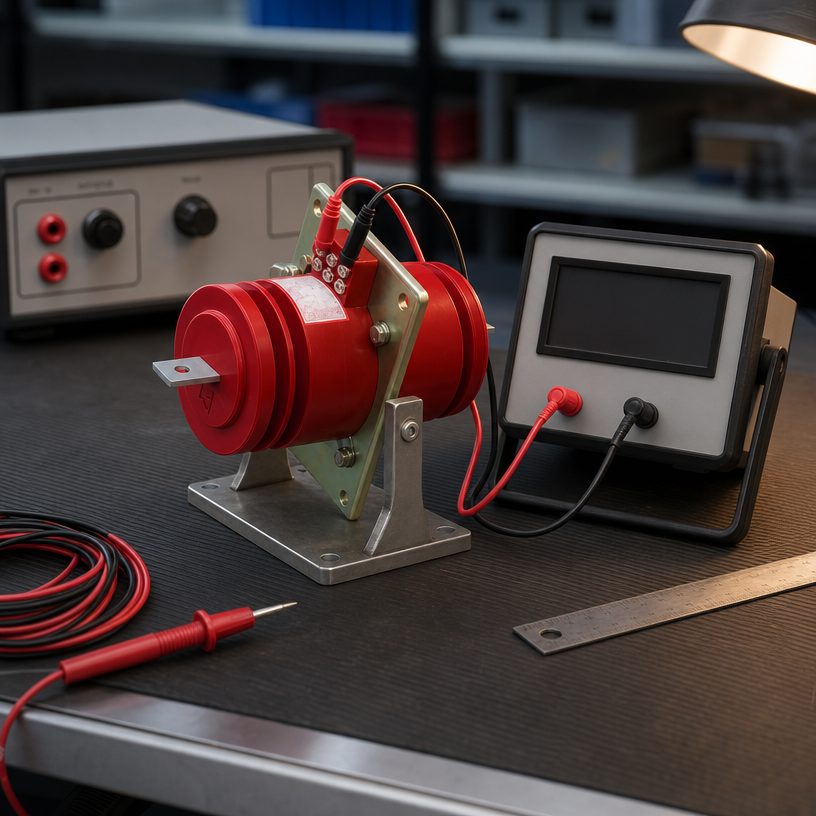
How to choose the current transformer ratio (CT ratio) for metering and protection: standard primary ratings, 5 A vs 1 A secondary, saturation, and a worked 600/5 A example.
Read article →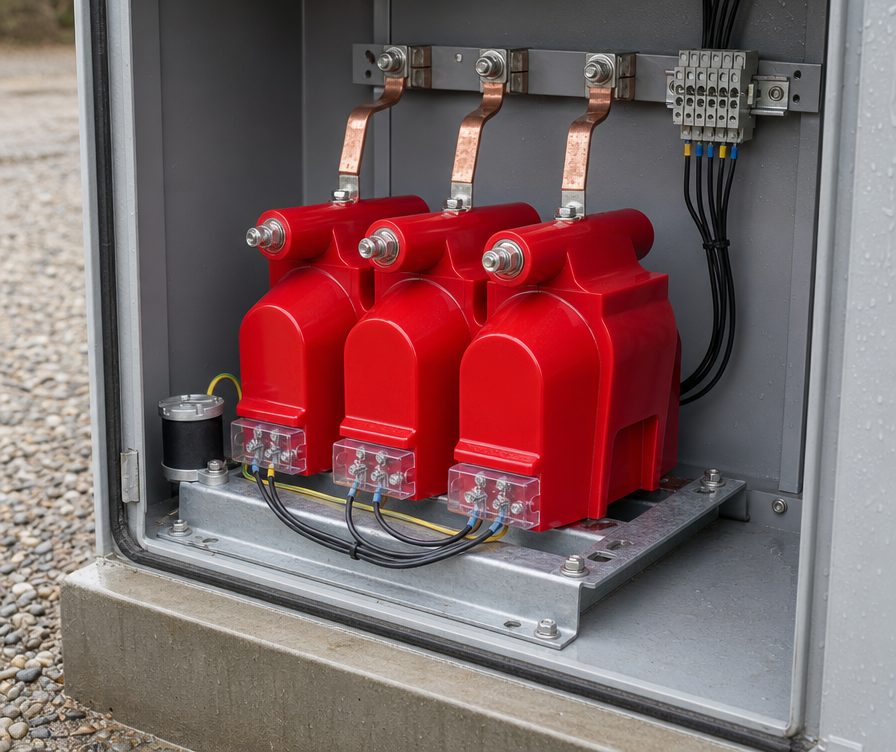
How to select a voltage transformer: system voltage and ratio, 100 V and 100/√3 V secondaries, accuracy classes 0.2/0.5, rated burden, earthing and the 3×ZNOLP-10M export equivalent for Russian-standard panels.
Read article →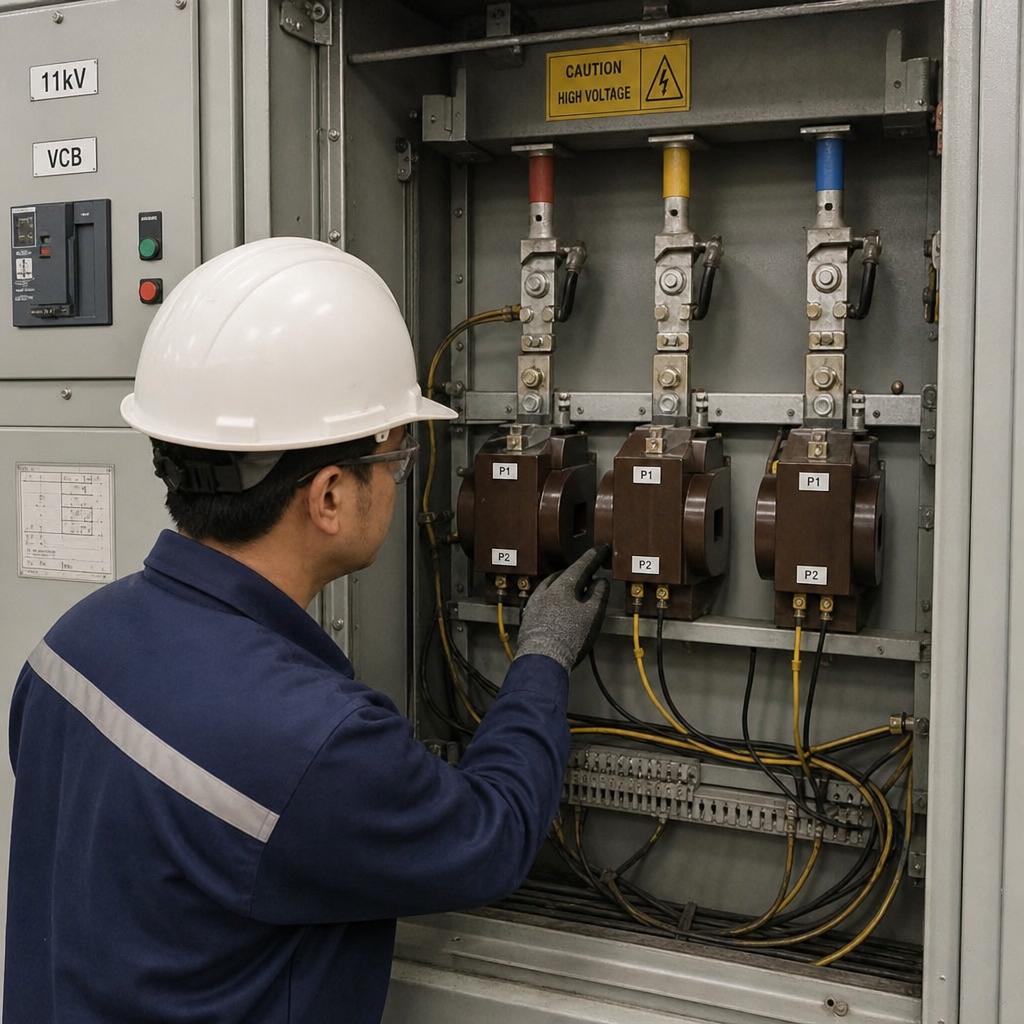
Explore high-voltage electrical equipment essentials, including safety, insulation materials, and energy transmission. Learn about selection and application in Vietnam.
Read article →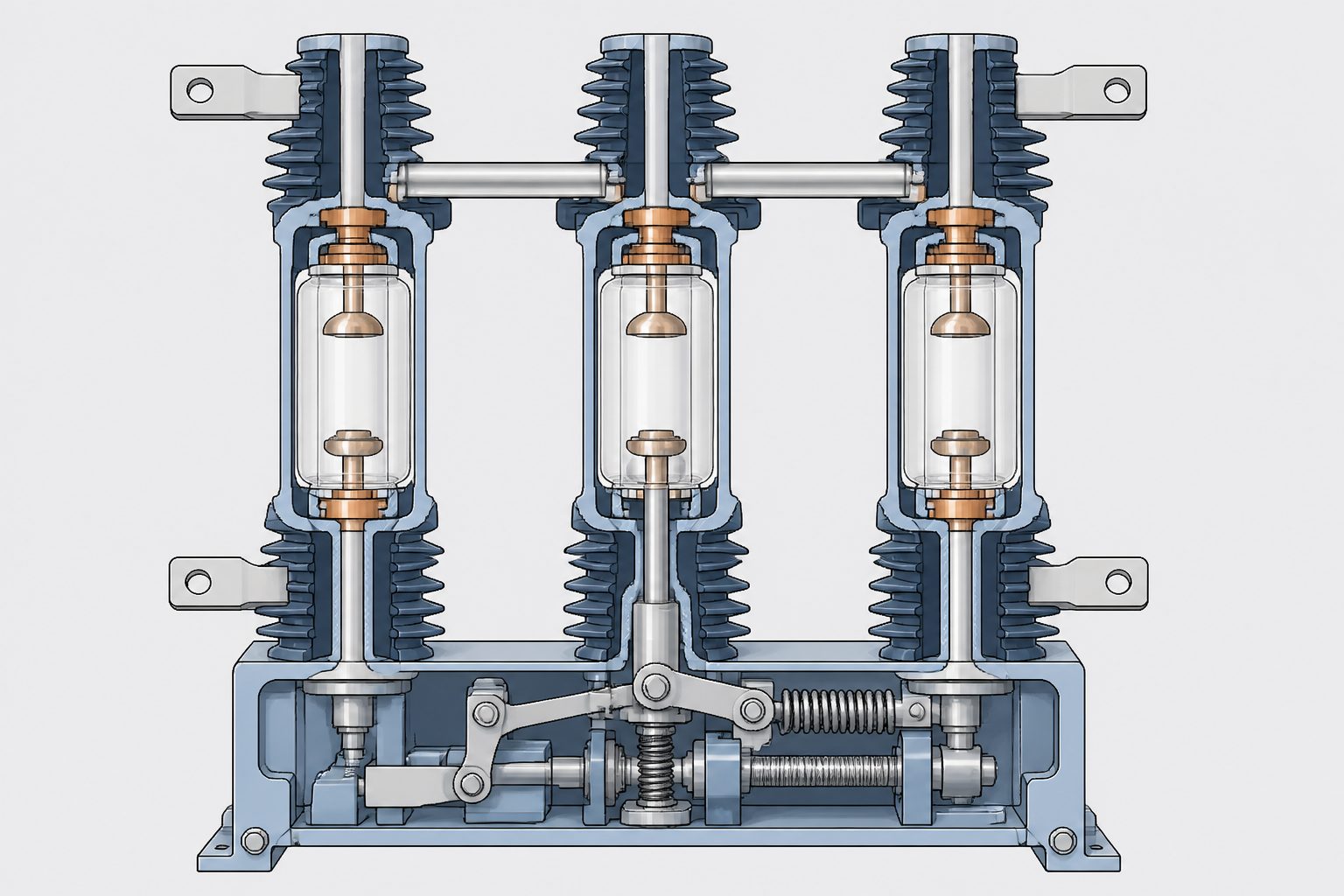
Discover the benefits of used vacuum circuit breakers—cost-effective, reliable, and eco-friendly solutions. Perfect for various needs with warranties from trusted suppliers.
Read article →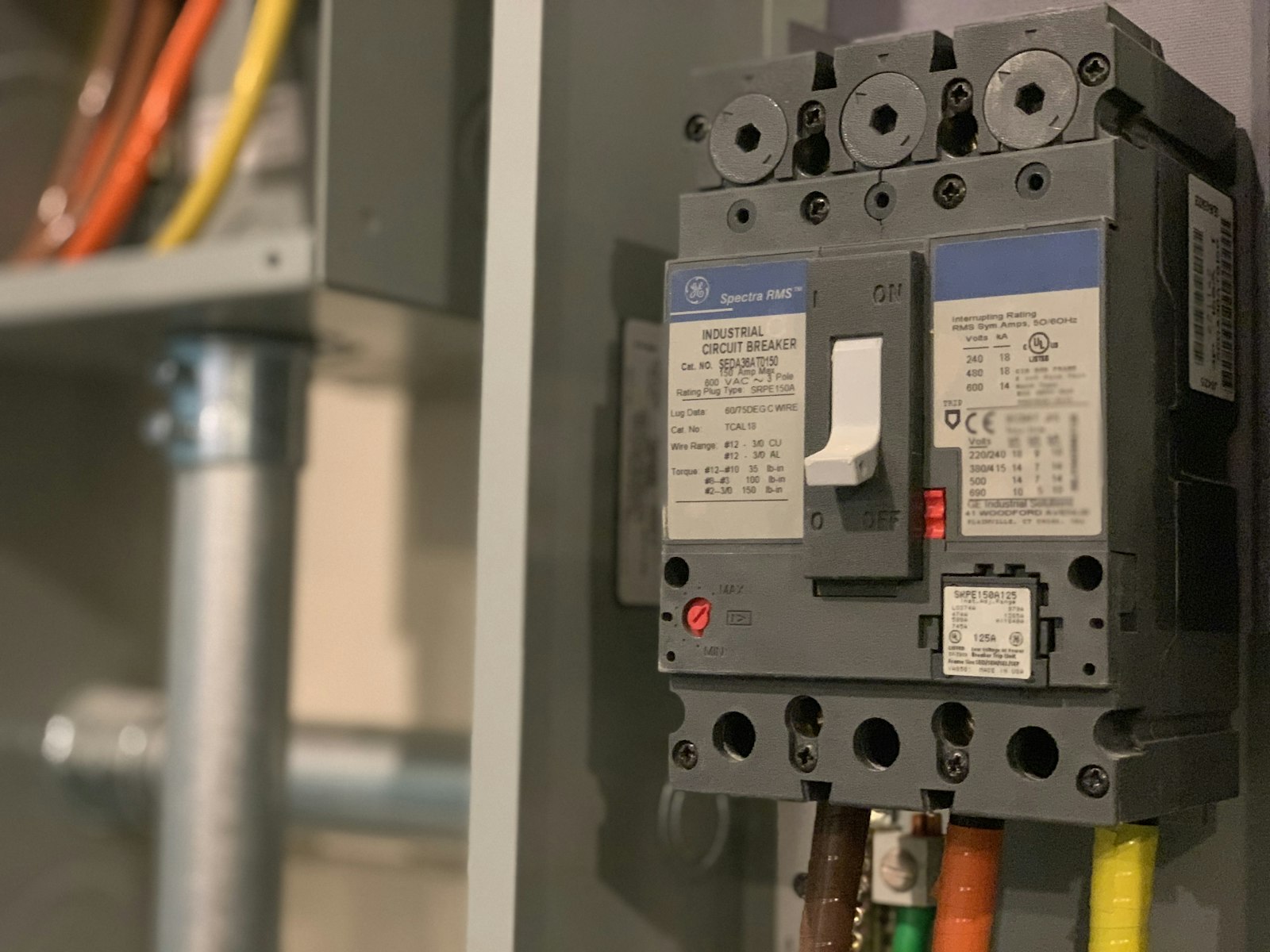
Discover the importance of phase changeover switches for seamless power transfer. Learn how they prevent outages and ensure safe maintenance in multi-phase environments.
Read article →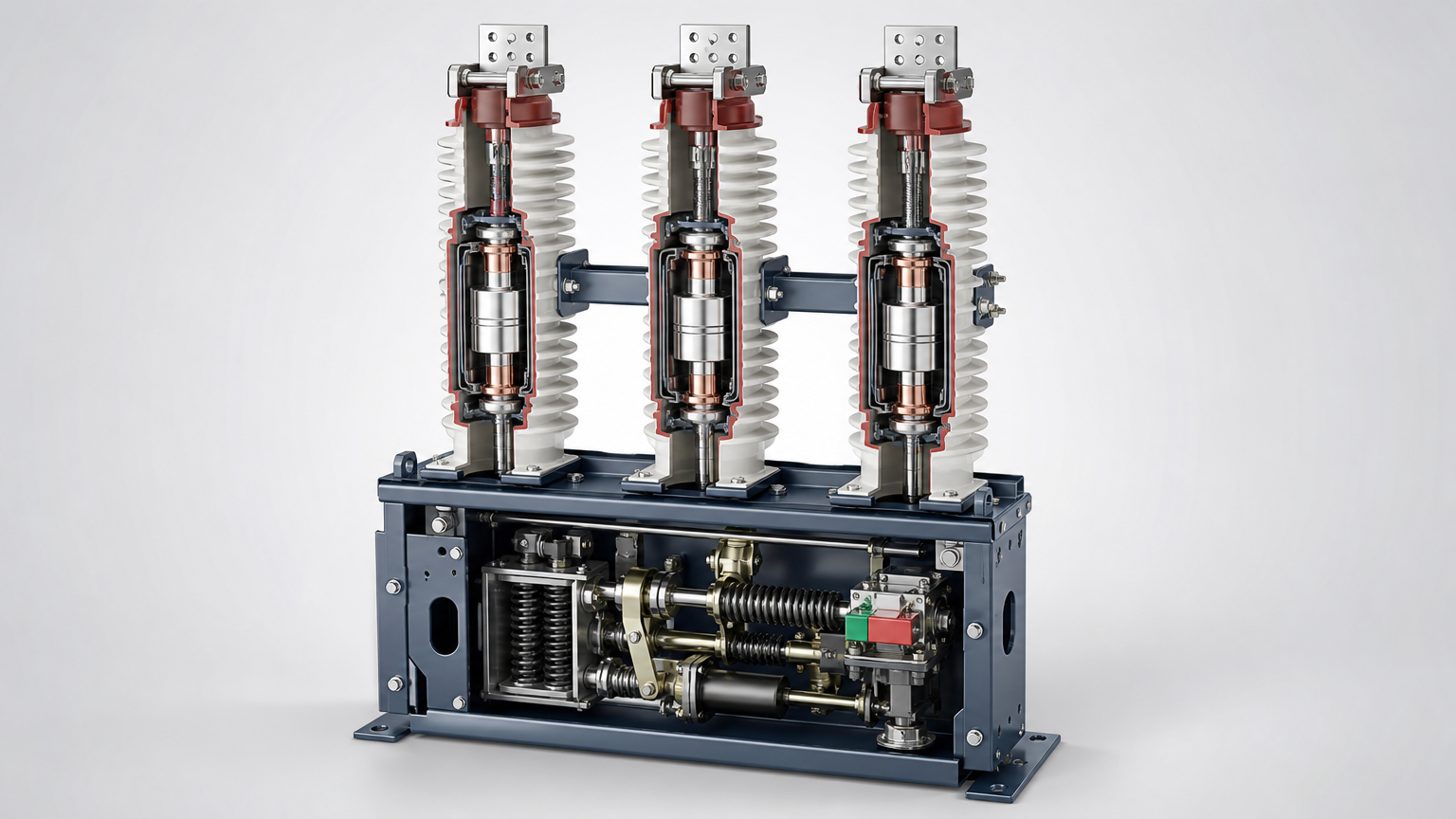
How vacuum interrupters extinguish the arc in microseconds, the main VCB types for 12–40.5 kV networks, and the ratings that matter when you specify one.
Read article →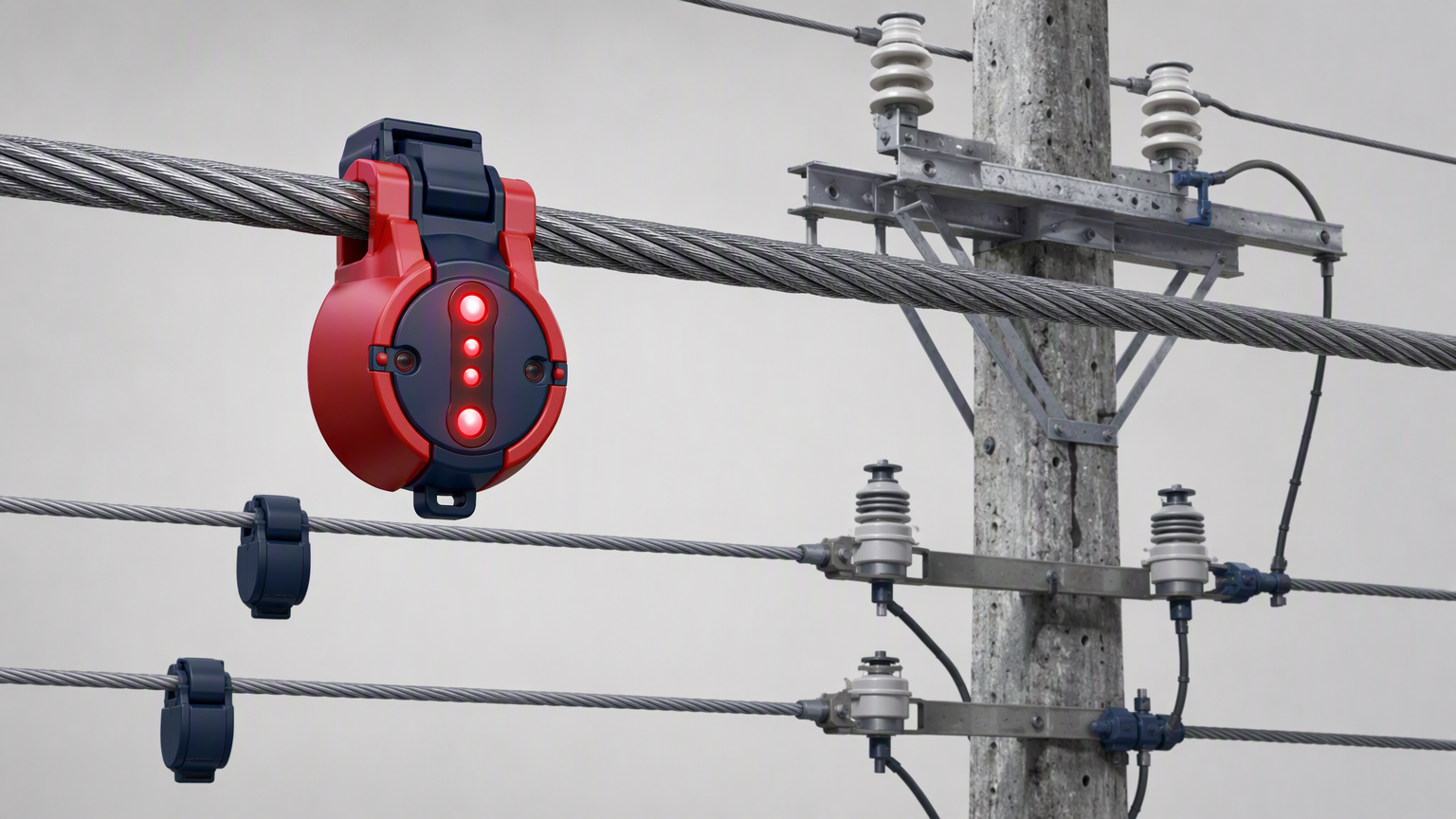
How overhead line fault indicators detect short-circuit and earth faults, the main types, and how they cut outage restoration time from hours to minutes.
Read article →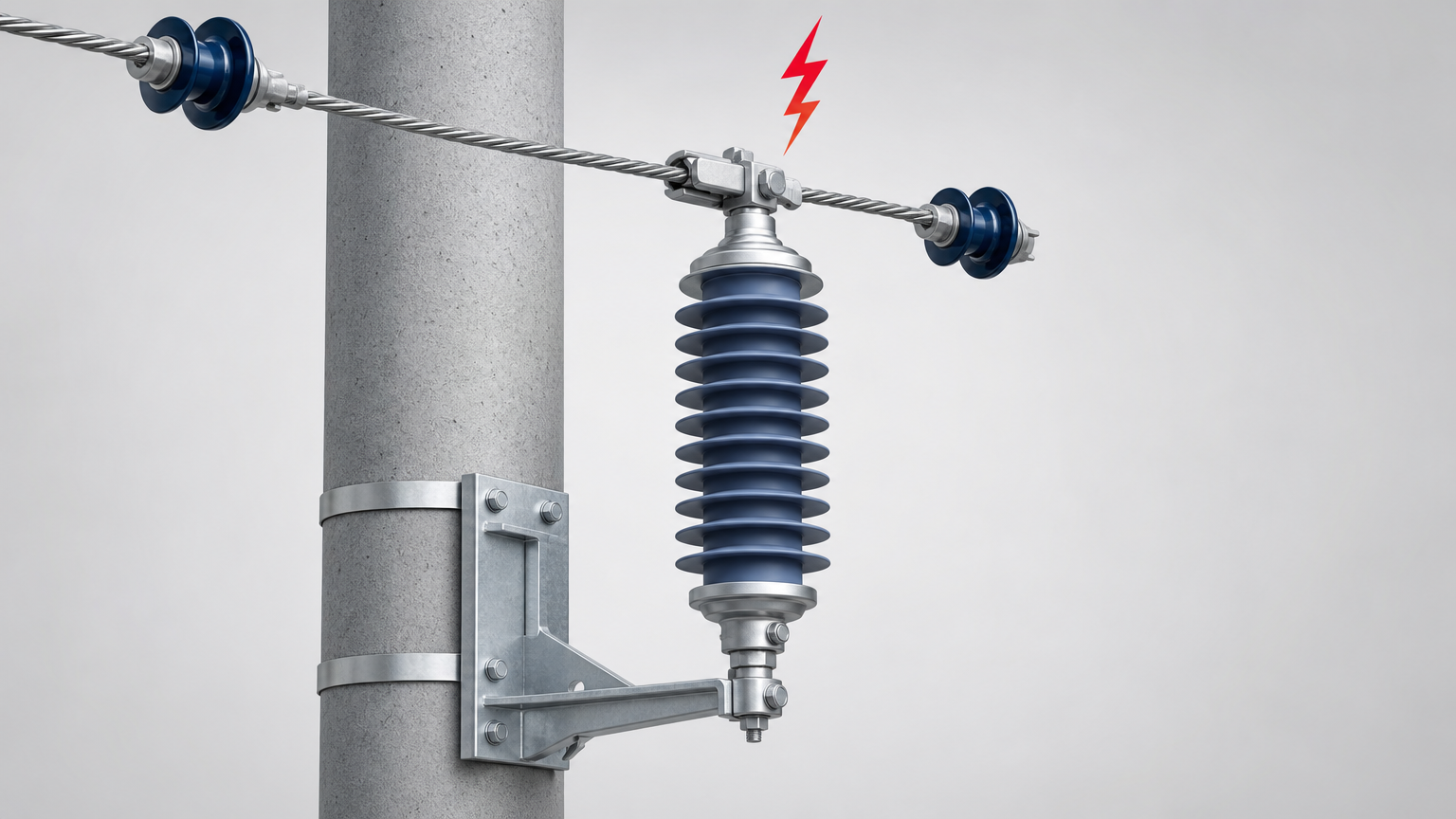
How zinc-oxide arresters clamp overvoltage in nanoseconds, external-gap, drop-out and through-type designs, and how to select the right arrester class.
Read article →