
Power cuts, unstable utility supply, and mixed loads (motors, HVAC, EV chargers, sensitive electronics) make "which source is feeding my panel?" a safety-critical question. Phase changeover switches solve it by letting you transfer a load from one supply to another — typically mains to generator, or one phase set to another — without dangerous overlap. Done right, they prevent nuisance trips, reduce downtime, and support safe maintenance by providing clear isolation like a robust power switch designed for real-world switchgear duty.
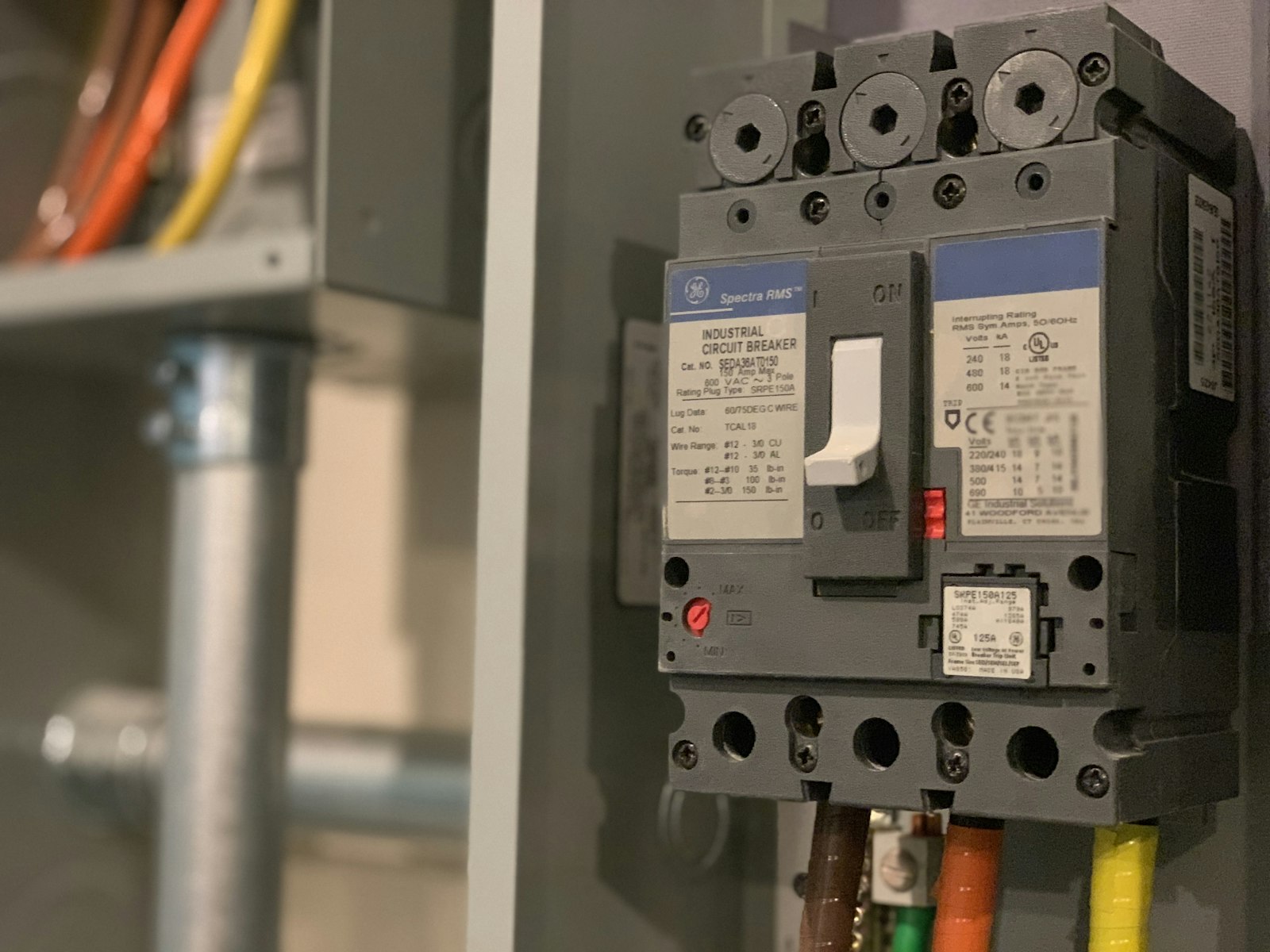
What is a phase changeover switch (and what is a transfer switch used for)?
A phase changeover switch — often called a phase switch or circuit switch in everyday talk — is a device that selects between two (sometimes more) power sources and feeds one chosen source to the load. In home backup, it behaves like a manual transfer switch for generator setups; in industrial settings, it can be part of broader switchgear solutions that manage multiple incomers, bus-ties, and protection.
At its core, it answers: what is a transfer switch used for?
- Switching a building from utility to generator (or back)
- Selecting between two utility feeders
- Choosing the "best" phase/line supply for single-phase loads when one line is degraded
- Creating a safe isolation point for maintenance and lockout/tagout
Manual changeover vs automatic: changeover switch vs ATS
Many buyers ask changeover switch vs ATS (Automatic Transfer Switch). The difference is simple:
- Manual changeover switch: An operator turns a handle/knob. It's economical, simple, and great when someone is always present.
- Automatic switch / ATS: Detects mains failure and transfers automatically, usually with timers, voltage/frequency checks, and generator start control. If you're searching for an automatic transfer switch installation guide, prioritize manufacturer instructions and local electrical code, because wiring and interlocks are safety-critical.
Best transfer switch for home often depends on whether you need unattended backup. If you want lights and refrigeration to come back on automatically while you're away, ATS wins. If you're comfortable starting the generator and switching manually, a changeover switch is usually enough.
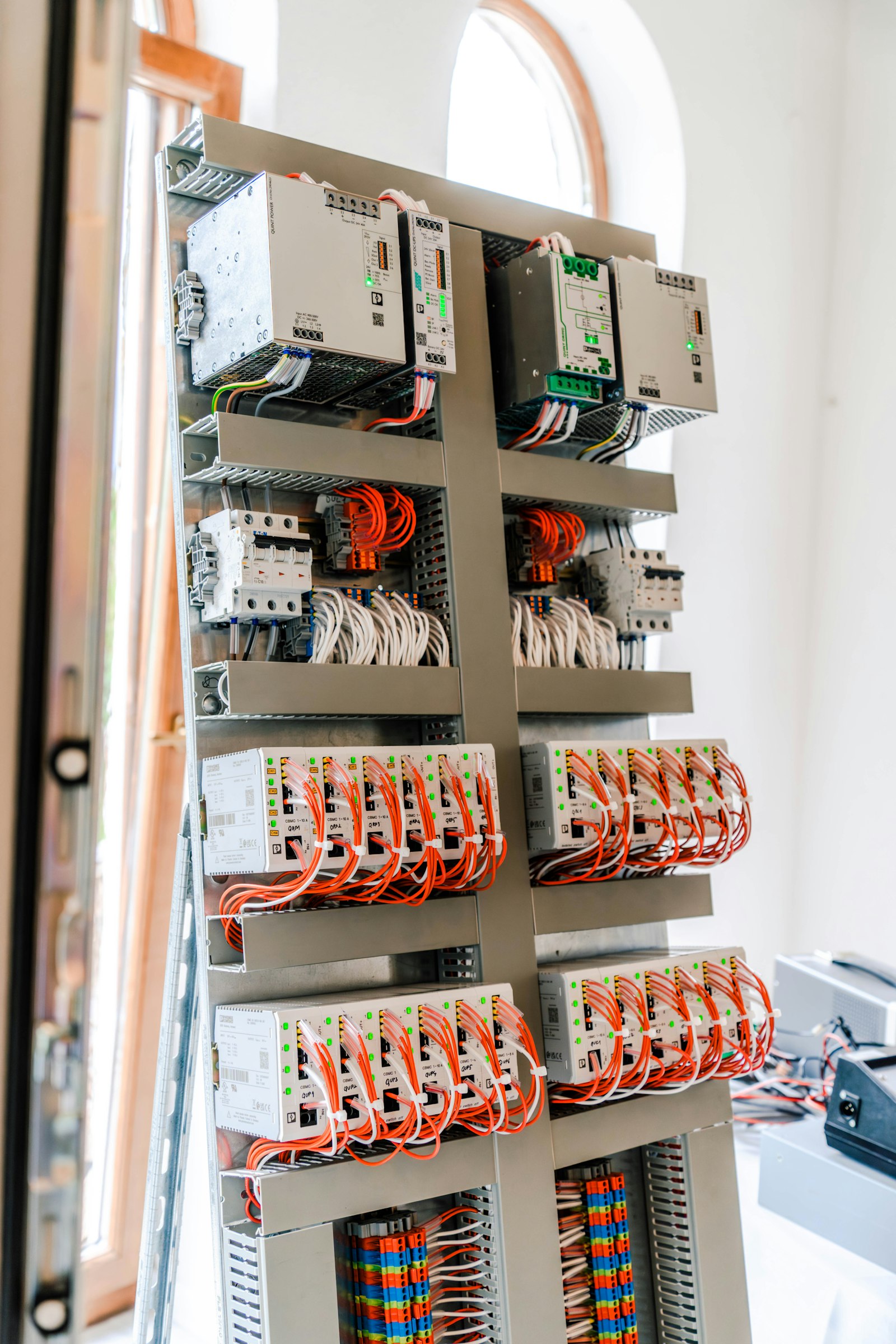
Types you'll see: single-phase, three-phase, and "single phase to three phase changeover"
Single-phase applications
For residential loads, you'll commonly see 2-pole devices that switch line + neutral (recommended in many systems to avoid neutral-related faults). These are sometimes confused with lighting devices like a two way switch or explanations about how a 3 way switch works. Those are control switches for lights; a transfer switch is a source-selection device for power distribution.
Three-phase applications
Industrial and larger commercial sites use a three phase changeover switch wiring scheme (typically 3P or 4P). 4P switches include the neutral, which can matter for mixed single-phase loads, RCD behavior, and harmonics.
"Single phase to three phase changeover"
A single phase to three phase changeover is not "magic conversion." It's usually one of these:
- Switching between a single-phase supply and a three-phase supply feeding different panels/loads, or
- Selecting between two systems where downstream equipment handles conversion (e.g., VFD/phase converter).
Inside the switch: interlocks, overlap, and safety
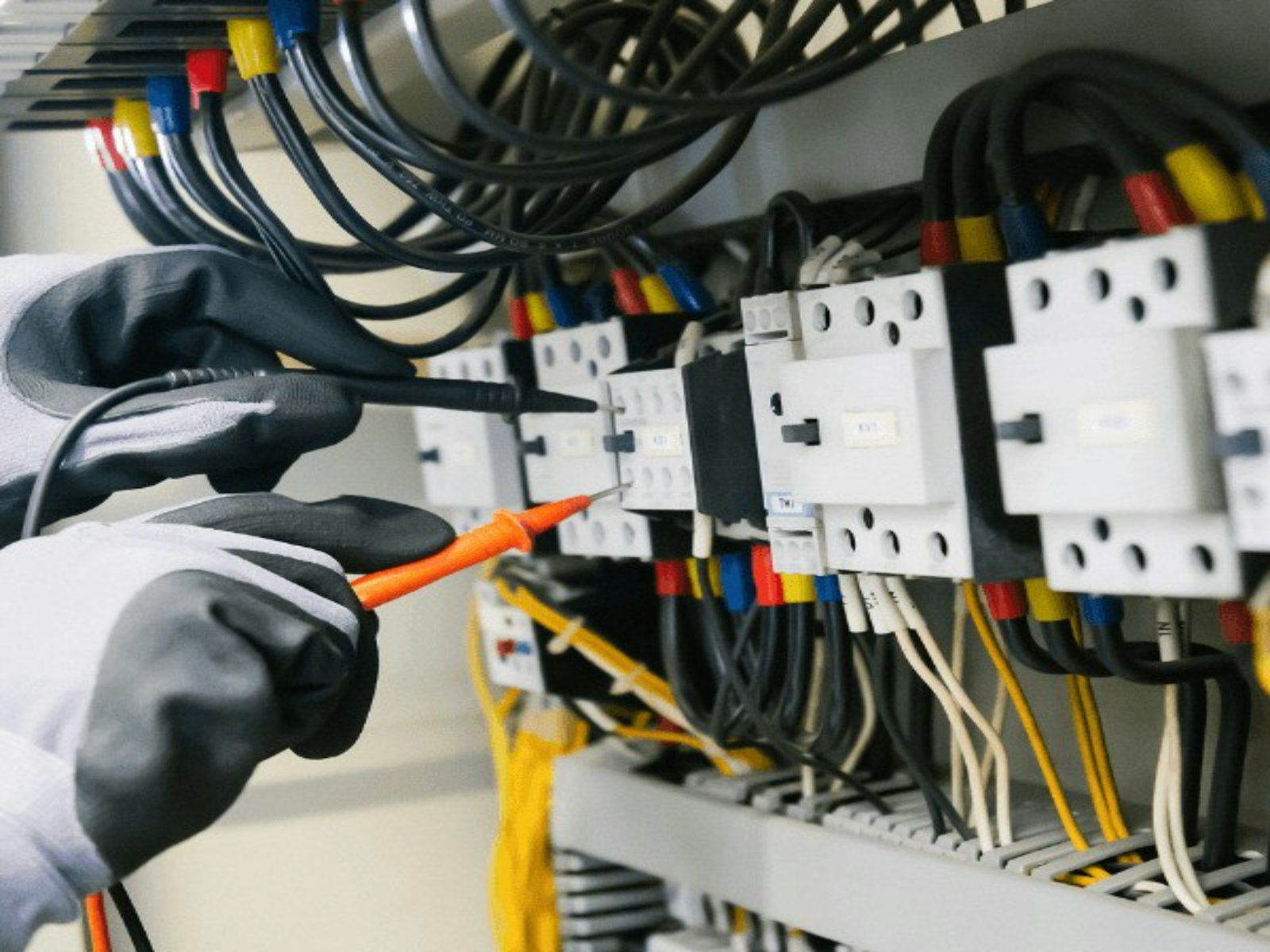
A quality changeover switch includes a mechanical interlock so you can't connect both sources at once. This is essential for generator backfeed prevention methods — backfeeding can energize utility lines and injure workers or destroy equipment.
Key concept: switchgear interlock mechanism safety
- Break-before-make action (preferred) ensures the load is disconnected from Source A before connecting Source B.
- Clear handle positions: I-0-II (Source 1 – Off – Source 2) reduce operator error.
- Lockable OFF position supports maintenance isolation.
In larger systems, you'll also see interlocked contactors or motorized mechanisms coordinated with protection relays.
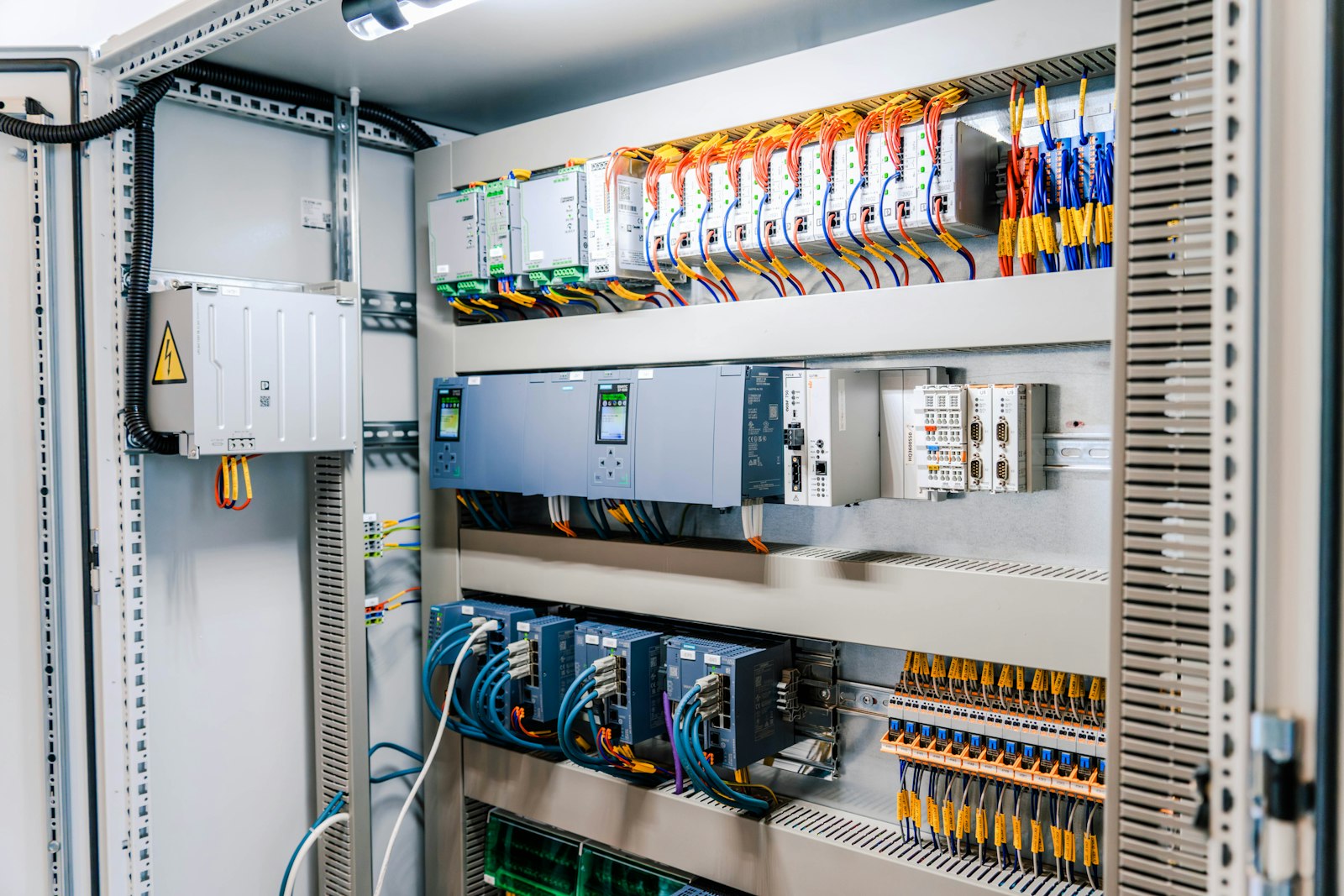
Changeover switch selection criteria (what to check before you buy)
Use these changeover switch selection criteria to avoid undersizing or choosing the wrong pole configuration:
- Voltage & phases: 1Ø/3Ø, 120/240V split-phase vs 400/230V, etc.
- Poles: 2P vs 3P vs 4P (neutral switched or solid).
- Utilization category: AC-22A/AC-23A (switching mixed loads/motors).
- Short-circuit coordination: Verify upstream breaker/fuse compatibility.
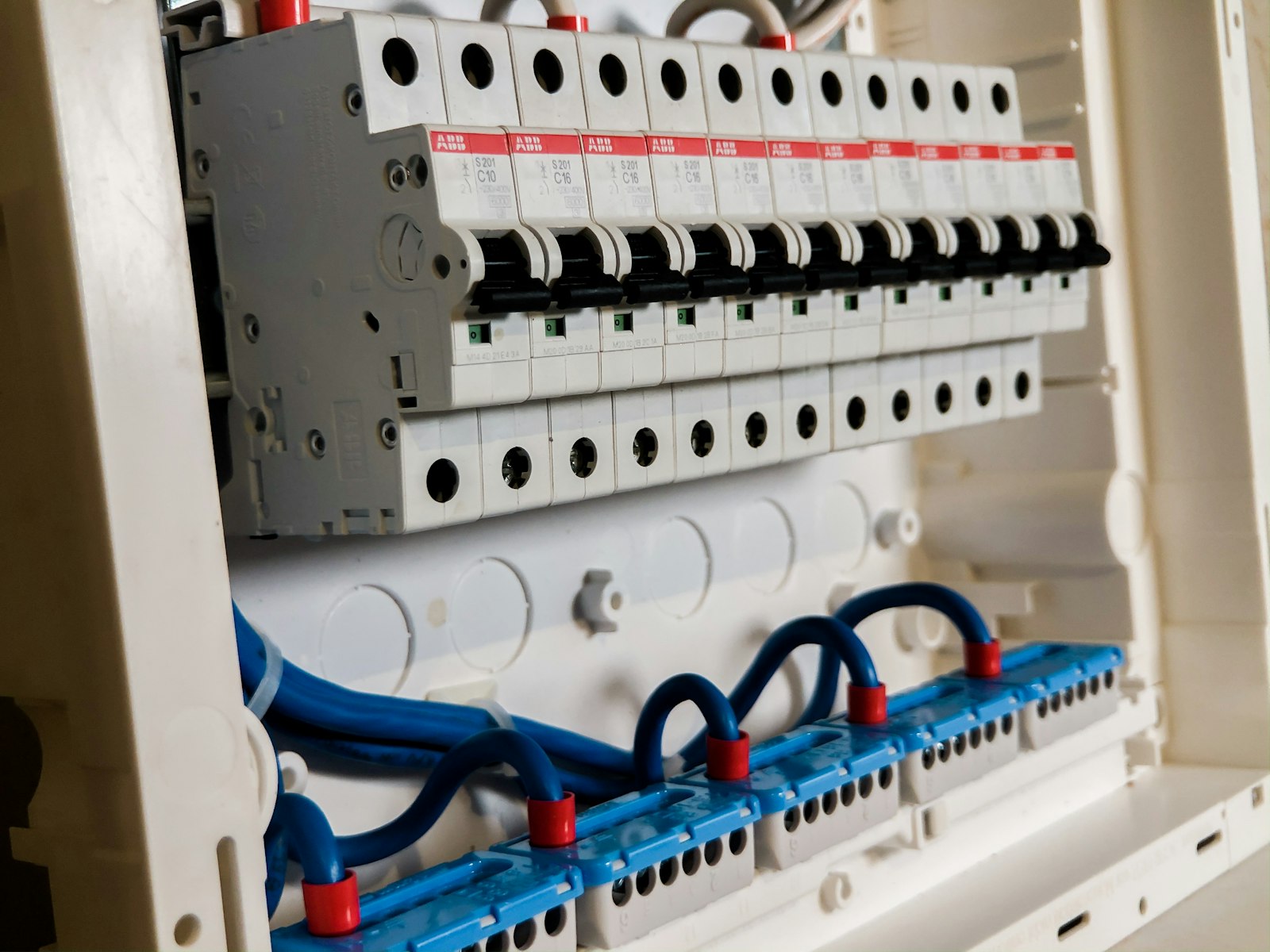
- Enclosure: Indoor vs outdoor; check changeover switch enclosure IP rating (e.g., IP54/IP65) for dust/water exposure.
- Ergonomics & labeling: Clear indicators, padlock provision, cable entry space.
How to size a changeover switch (with load rating explained)
People often ask how to size a changeover switch and want changeover switch load rating explained. Start with:
- Total expected load current (or generator maximum output current).
- Type of load: motors and compressors have inrush; size for starting currents or use a category suited for motor loads (AC-23A).
- Continuous duty margin: avoid running at nameplate limit; a practical buffer reduces heat and nuisance issues.
Rule of thumb: size to the source you're switching (often the generator), but confirm motor starting and diversity. When in doubt, consult an electrician — undersizing causes overheating and contact damage.
Wiring essentials: mains–generator changeover diagram (concept) + common pitfalls
A typical mains generator changeover diagram concept is:
- Utility incomer → Changeover Source 1
- Generator output → Changeover Source 2
- Changeover output → Main distribution board / essential loads panel
Critical notes:
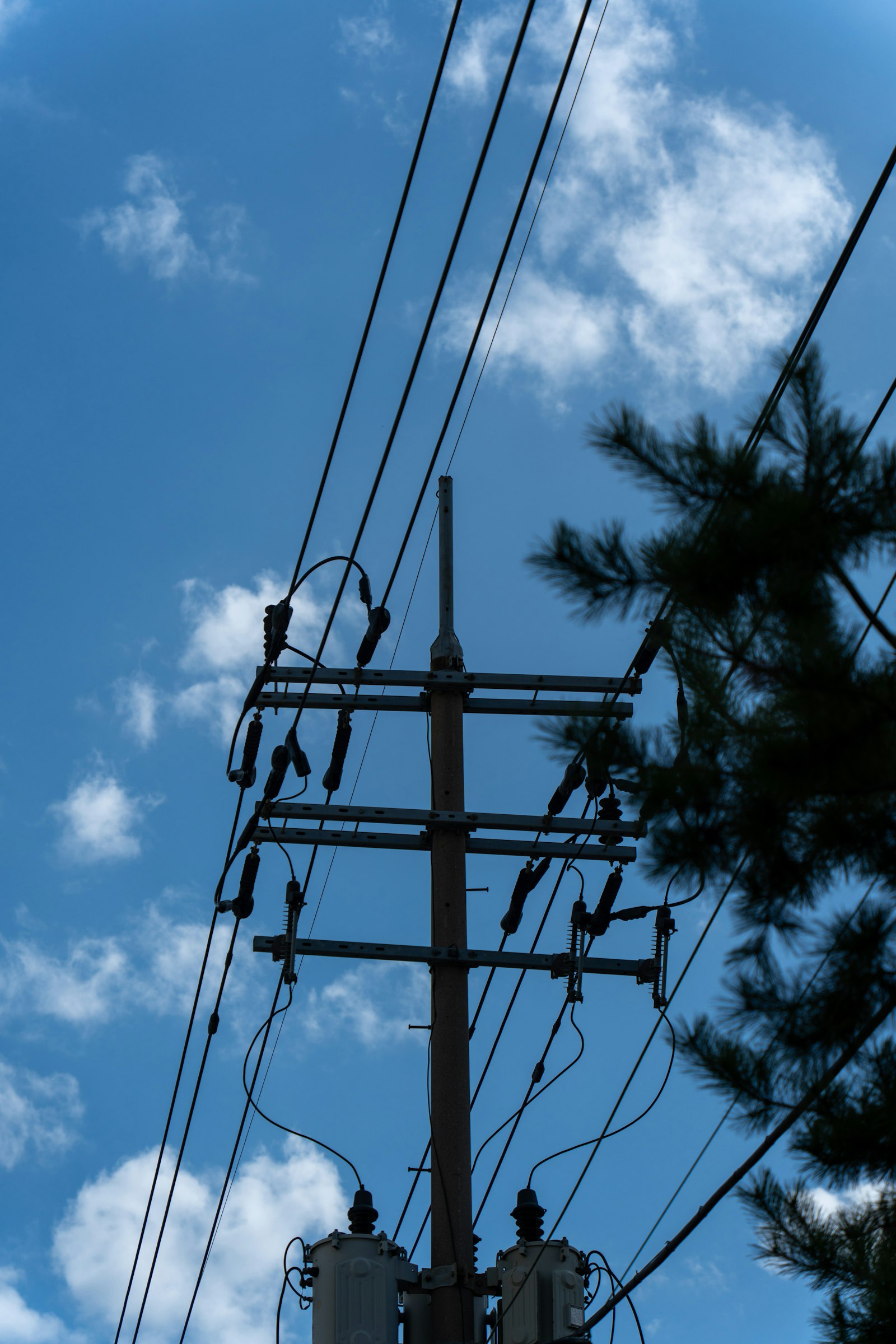
- Bonding/neutral handling must match your earthing system.
- Never use "suicide cords" or backfeed through outlets — use the switch.
- Label sources clearly and test transfer under load.
If you're following an automatic transfer switch installation guide, verify:
- Correct sensing on utility side
- Generator start/stop wiring and warm-up/cool-down timers
- Interlock logic so both sources can't close together
Troubleshooting: changeover switch not working
If you're facing troubleshooting changeover switch not working, check:
- Mechanical jam or misalignment: handle won't reach I/0/II cleanly
- Loose terminations: overheating, arcing marks, voltage drop
- Incorrect pole/neutral wiring: odd RCD trips, "half-powered" circuits
- Generator output issues: low voltage/frequency prevents ATS transfer
- Overload: switch runs hot or trips upstream protection
Always isolate and verify dead before opening enclosures — treat it like live switchgear.
Related terms you may see: "double three way switch" and "electrical switch"
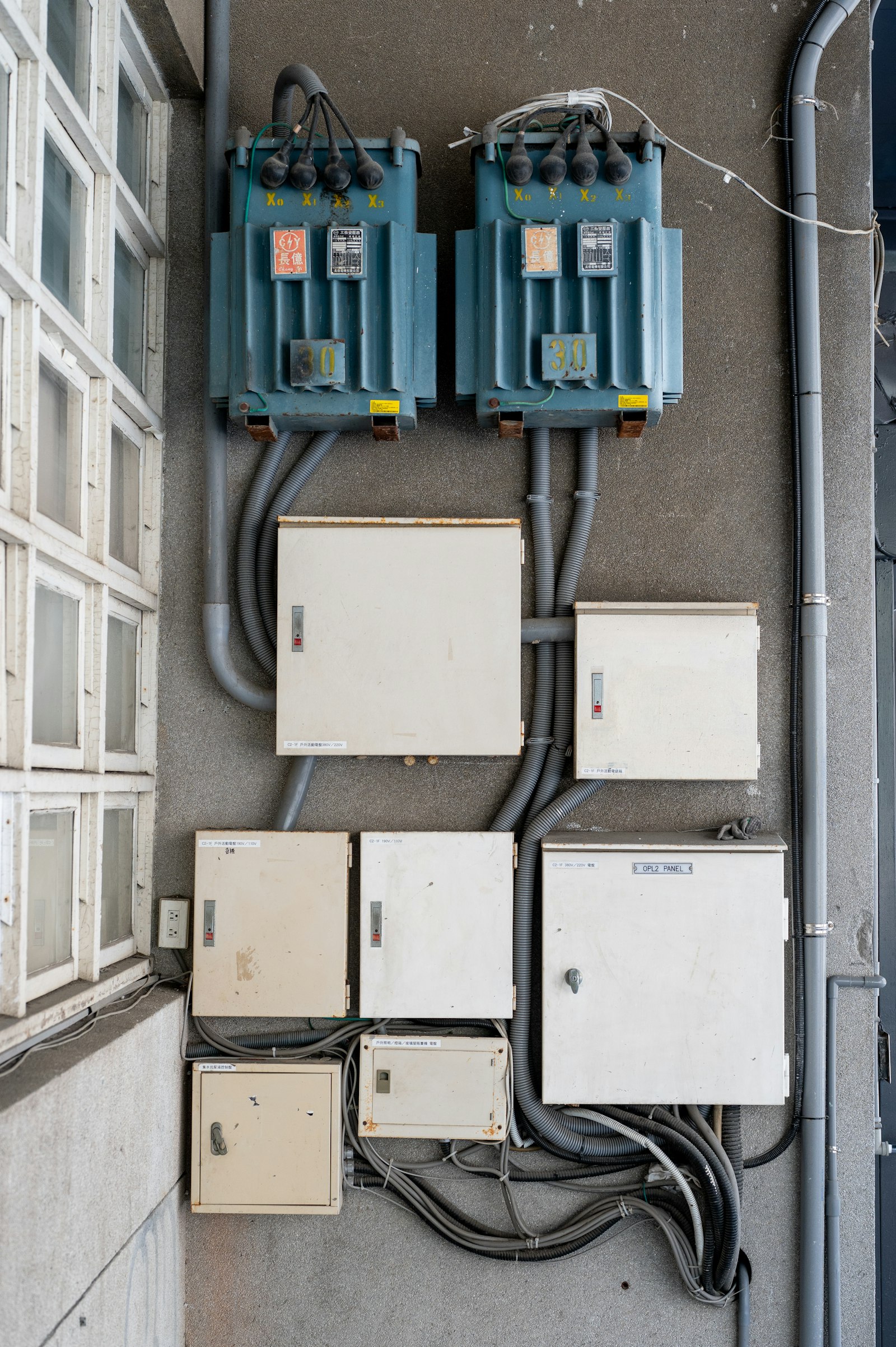
Marketing can get confusing: a "double three way switch" is usually a lighting control product (two 3-way circuits in one device), not a transfer device. Similarly, an electrical switch might mean anything from a light switch to heavy-duty switchgear. For transfer applications, insist on a rated changeover/transfer device with proper interlocking.
Product note: isolating switchgear options
If your project needs robust isolation hardware as part of a safe changeover setup, explore isolating and switchgear components such as these isolating switches: Nahu Group Isolating Switches. They're commonly used alongside transfer equipment to support clear isolation and maintenance safety.
Takeaway
Phase changeover switches are the practical, safety-first way to select between power sources — especially for mains-to-generator backup and multi-phase environments. Choose the right poles, rating, utilization category, and IP enclosure; prioritize interlocking to prevent backfeed; and wire to code. Done correctly, a changeover switch delivers reliable transfer, safer maintenance, and fewer "mystery outages" when power quality drops.
Word count estimate (body only): ~990 words.
Published August 11, 2026 · Nahu Group (NAHU Electric Technology)