
10 technical guides and answers from our engineering team — installation practice, product selection, and the operating principles behind current and voltage transformers.

The step-by-step commissioning sequence our field engineers follow — mounting height, surge protection, phase sequence, dual-ratio wiring and the pre-energisation checks.
Read the guide →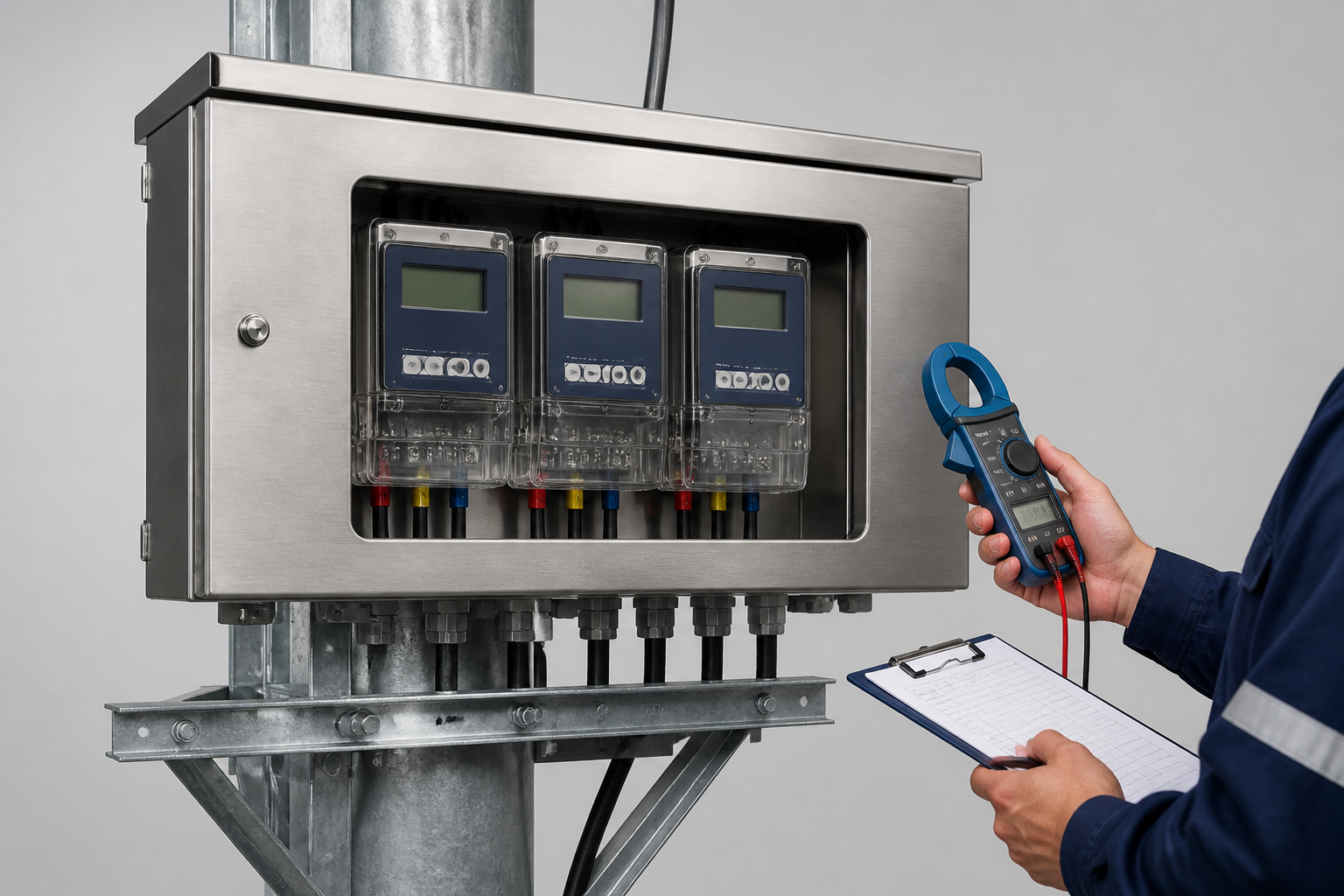
Primary current, ratio, accuracy class and enclosure selection for 10–35 kV revenue metering.
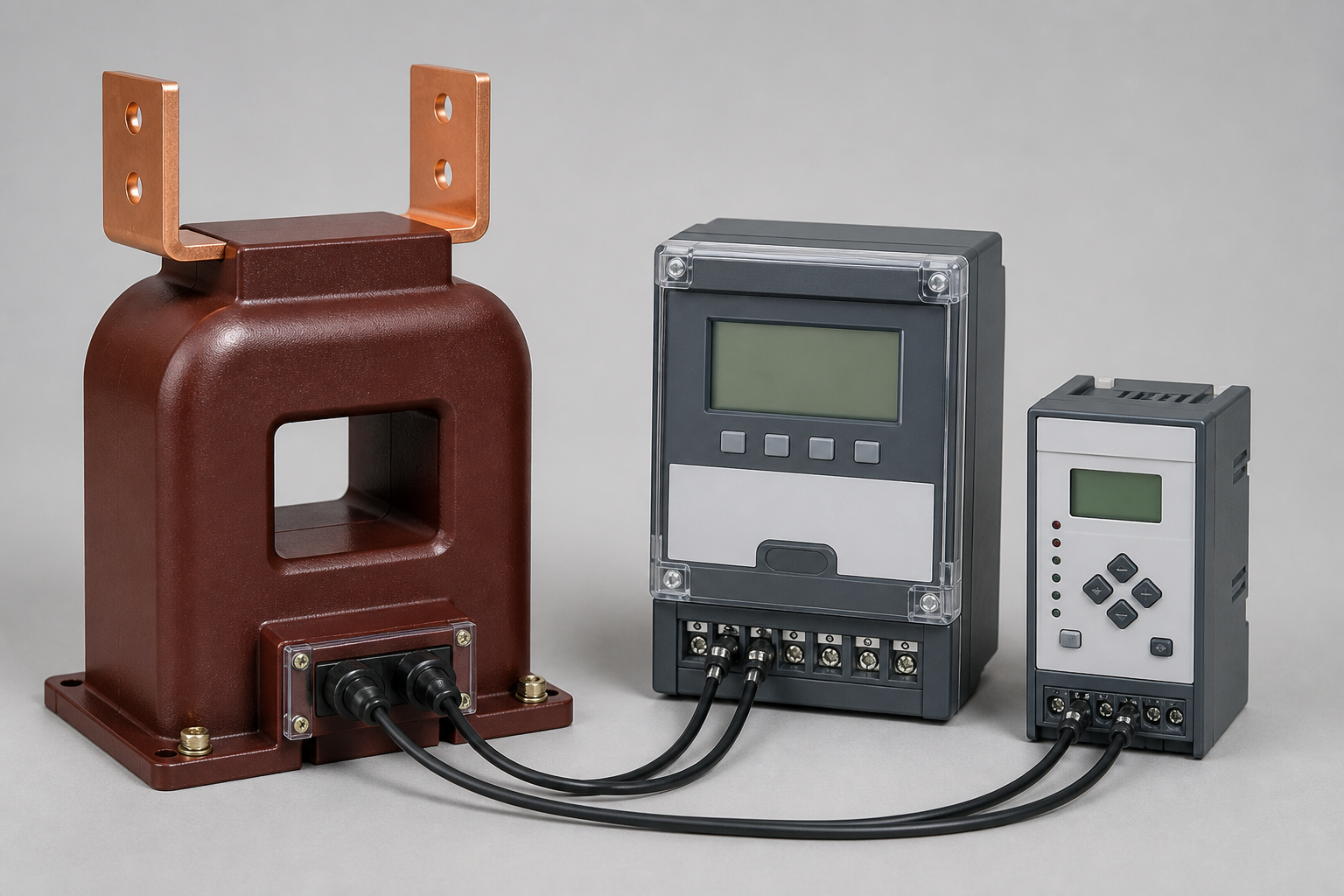
How secondary burden limits accuracy, and how to size CT rated output for meters and relays.
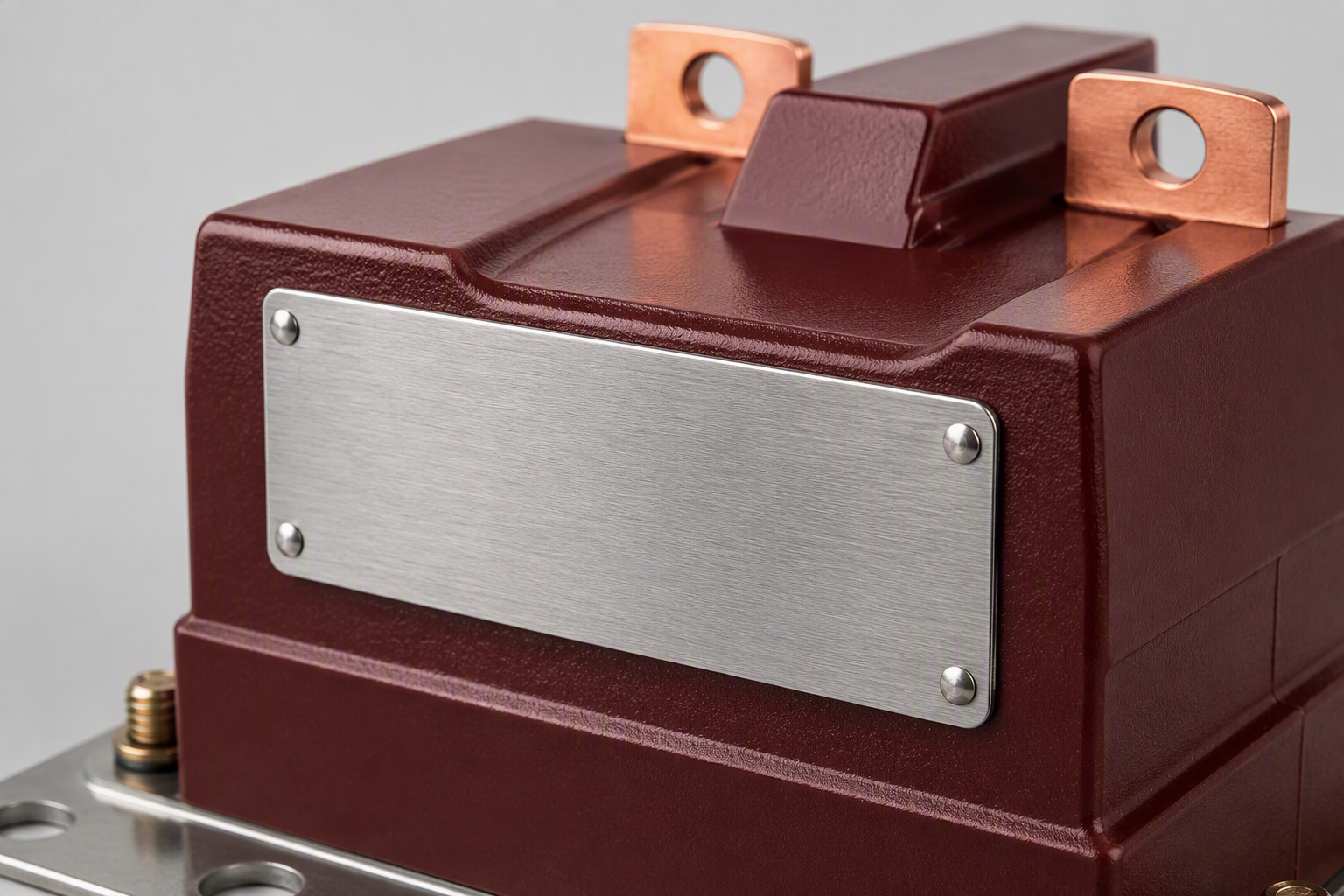
Every line decoded: ratio, class, burden, insulation level and the standards behind them.
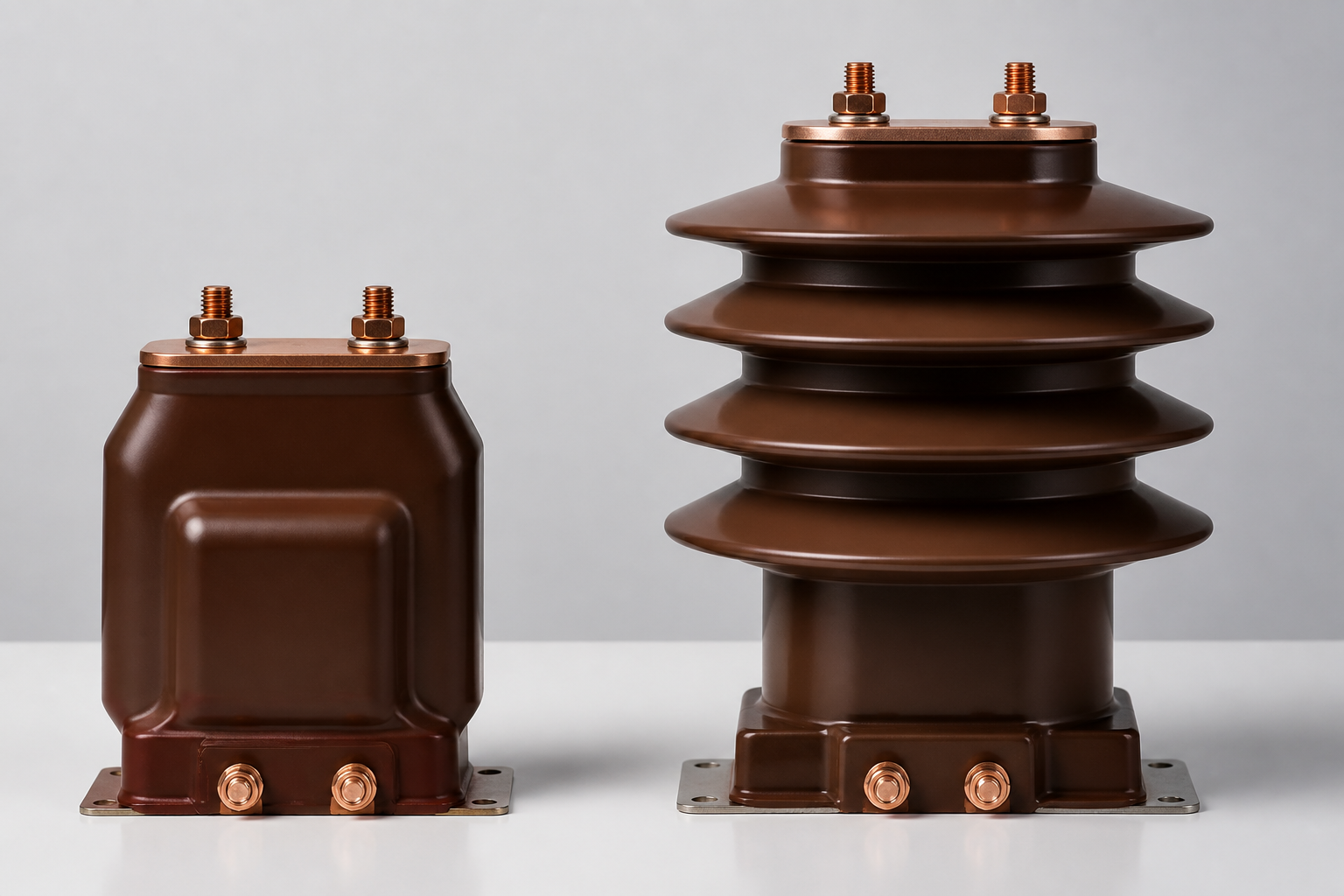
Creepage, weather resistance and mounting differences that decide the right unit for the site.

The pre-energisation checks that catch wiring, polarity and ratio faults before they cost a trip.

Instrument transformers are the hubs of the grid and the safety barrier between high-voltage plant and the people working on it.
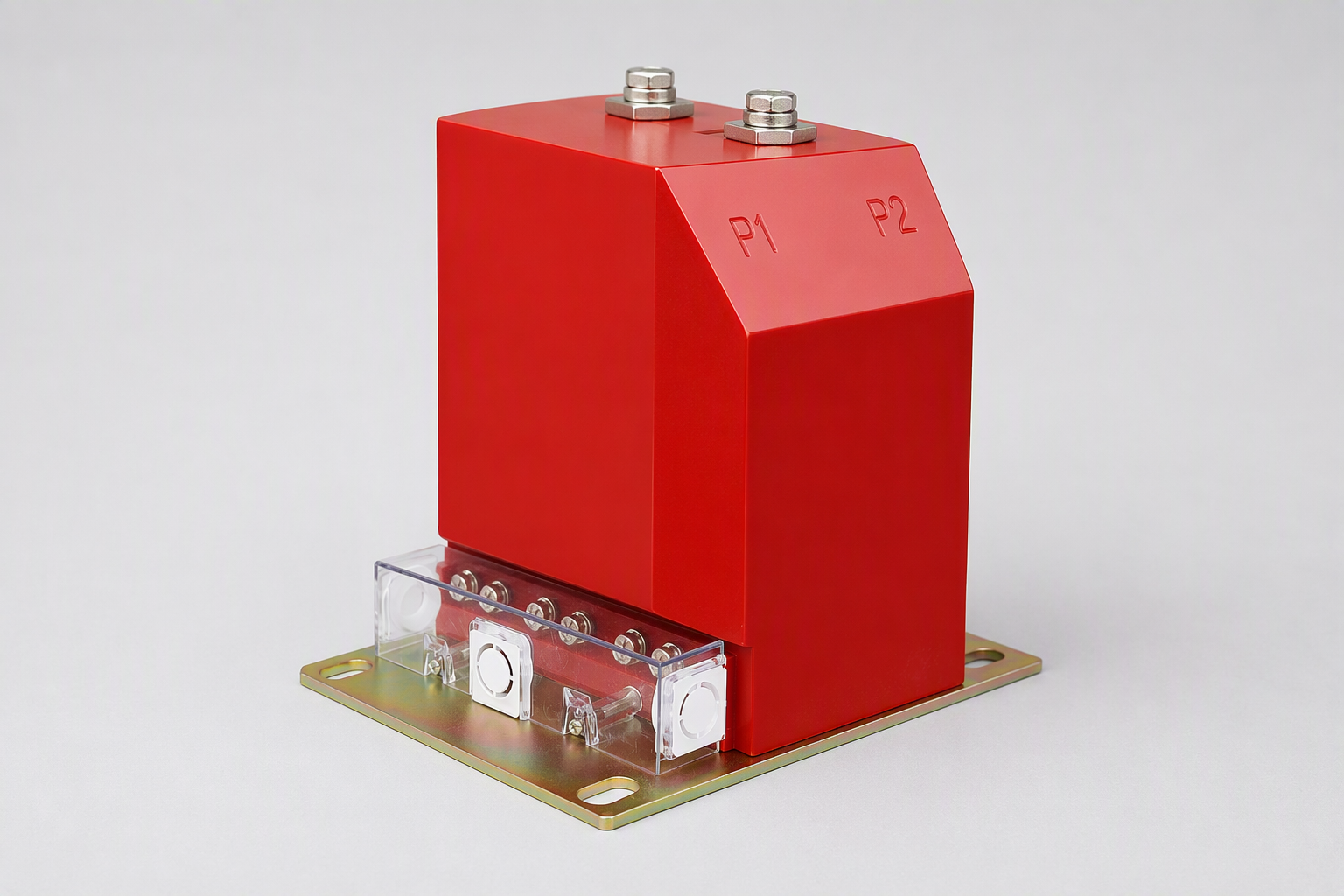
Ratio, isolation, and why secondary outputs moved from amps to milliamps as metering went digital.
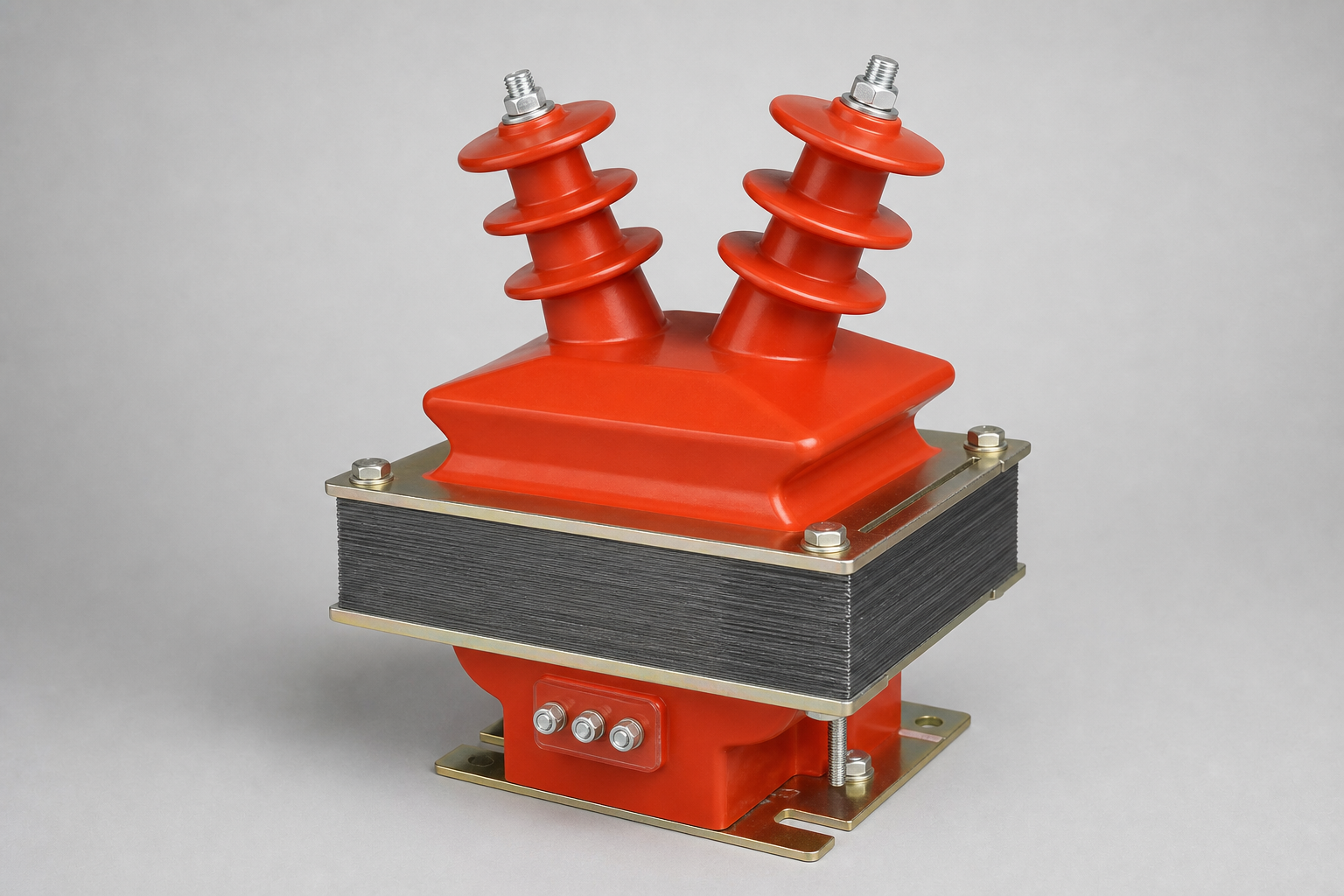
Scaling high voltage to a 100 V standard secondary for protection, metering and instrumentation — and isolating the people who work on it.

Both work by induction, but they are wired differently, fail differently, and carry opposite safety rules. Getting this wrong damages equipment and endangers people.
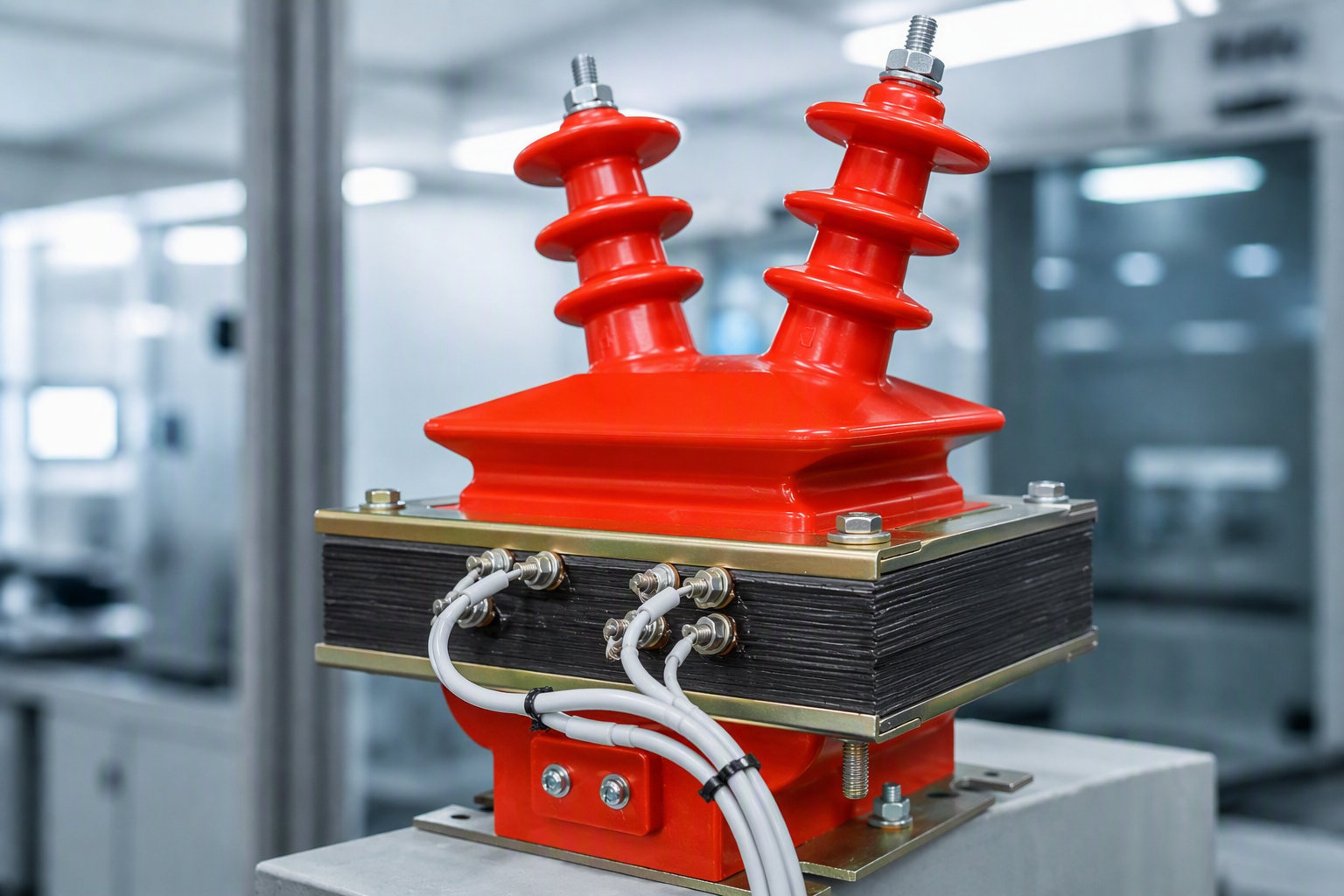
Why VTs run close to no-load, why the primary is fused and the secondary earthed, and how the third winding detects an earth fault.
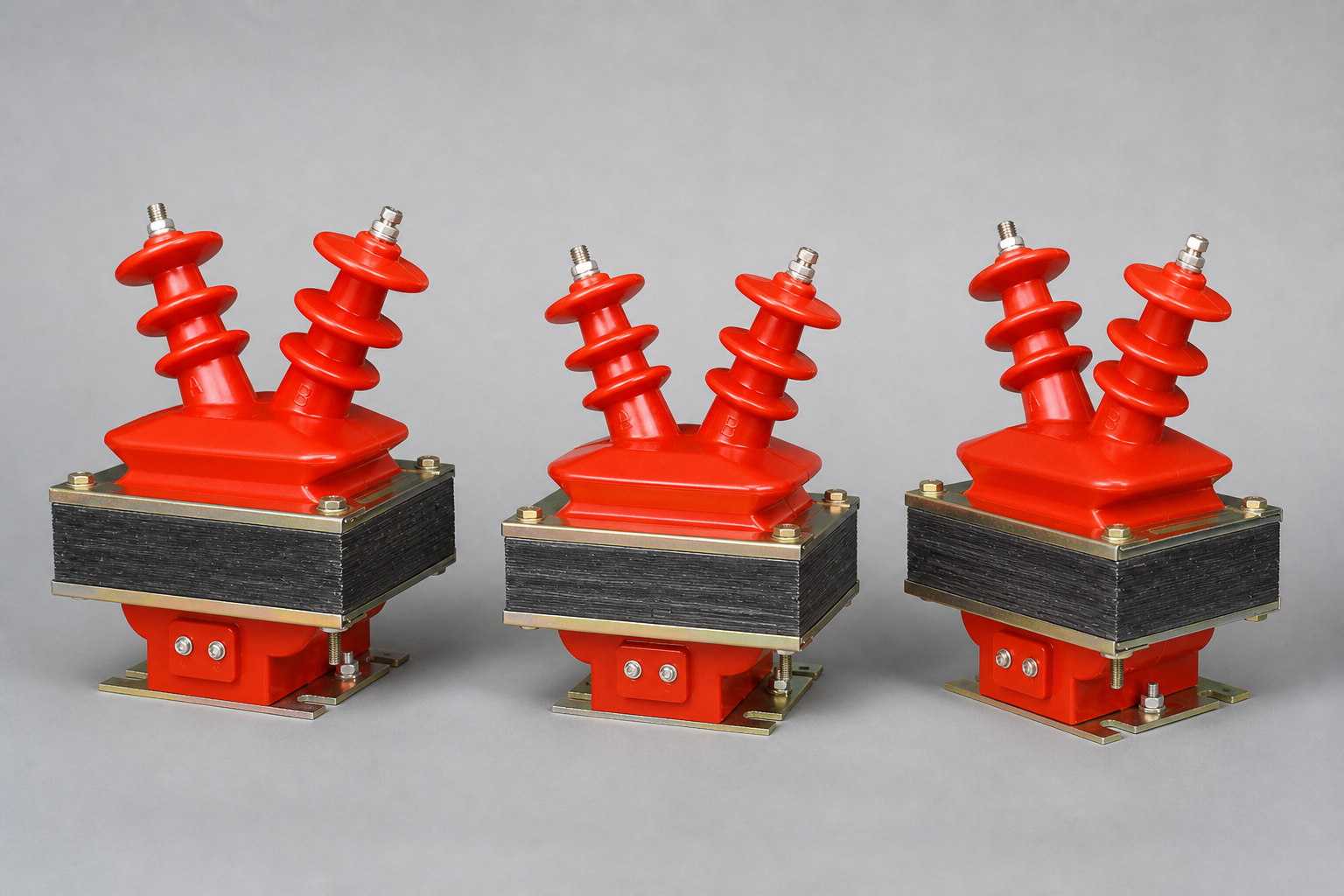
Classified by installation location, phase count, winding count, insulation method and operating principle — and which class suits which switchgear.
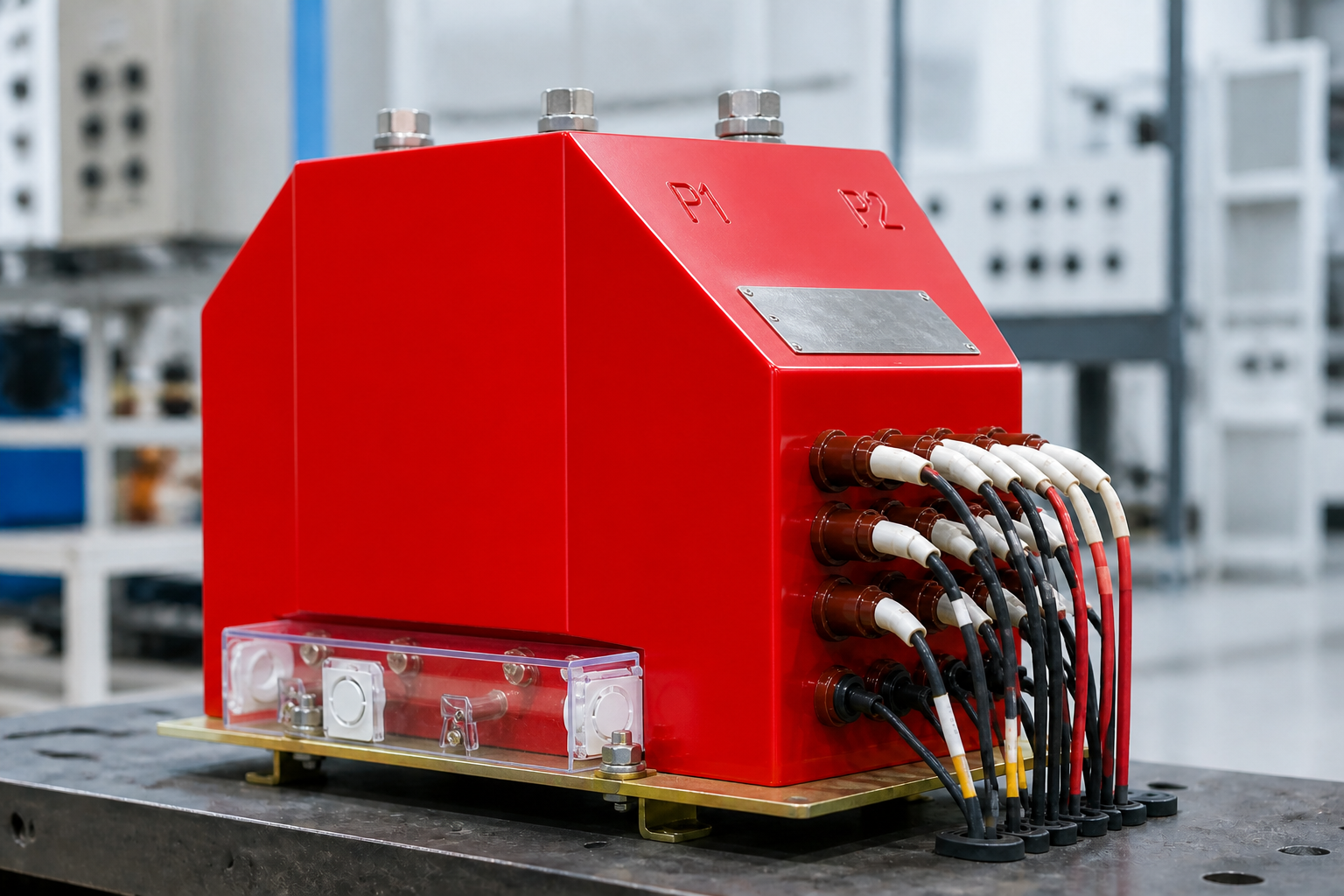
Reading a VT winding diagram: what two, three, four and five circles mean, and how the open-delta winding flags an earth fault or a blown HV fuse.
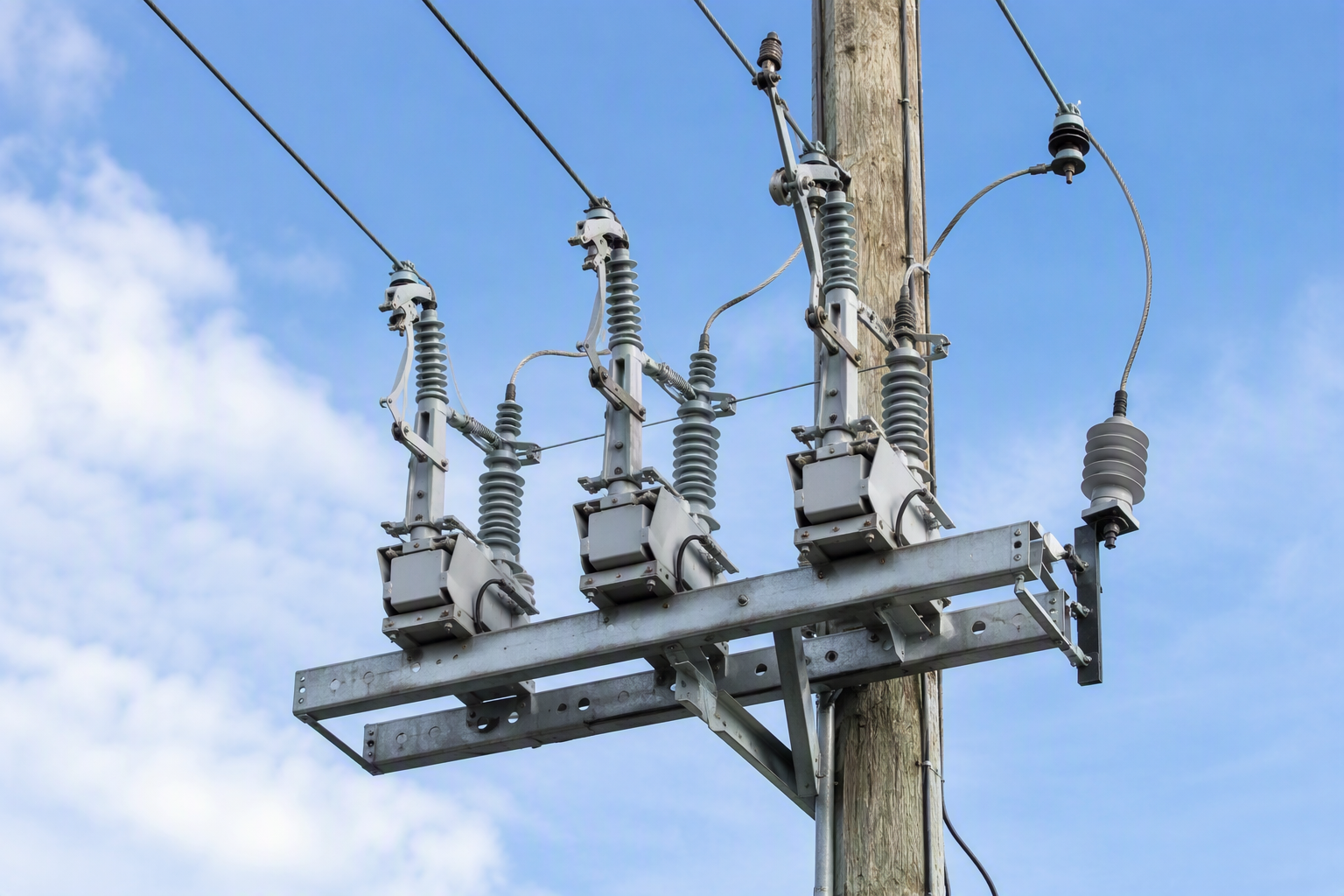
The short checklist: isolate secondary equipment, extend instrument range, earth one side, and respect polarity.

Metering and protection need different things from the same current transformer. Here is what the class codes on our datasheets actually mean, and how to specify the right one.