
A metering box IP rating tells you what the enclosure keeps out, and nothing about what it keeps in: the second digit stops at water, so the theft-resistant design of an outdoor revenue metering unit has to be specified separately, with the sealed compartment, the armoured secondary cable and the metering point placed where a consumer cannot reach the primary terminals. In Gulf conditions the two pull against each other: the enclosure that keeps sand out also traps heat around the transformers.
What does a metering box IP rating have to cover outdoors?
The rating is a two-digit code: the first digit covers solid objects and dust, the second covers water. For an outdoor metering box on a pole or a plinth, both digits matter, and so does the mounting, because a box rated for rain from above is not necessarily rated for a driving sand-laden wind from the side. The IP code applied to medium-voltage enclosures explains the digit structure in more detail; what matters here is what a utility should accept as evidence.
An IP rating is a type-test claim about the enclosure, not a statement about the equipment inside it. A box can hold its IP54 rating and still fail in service because the cable entry gland was not the one tested, or because the door seal was compressed once too often during meter reading. Write the entry and the seal into the specification, or the rating applies only to a factory condition nobody repeats on site.
Which IP rating is right for an outdoor metering box?
There is no single answer, because the rating has to match the mounting and the utility's practice. A metering box IP rating copied from a similar project without checking how the box is mounted is the usual source of afternoon callbacks; the table shows what each step buys and what it costs, so the decision can be written into a specification rather than left to a catalogue page.
| Rating | What it adds | Where it fits, and what it costs |
|---|---|---|
| IP44 | Solid objects above 1 mm, splashing water | Sheltered indoor metering rooms and covered plinths; cheapest, but not a dust claim |
| IP54 | Dust protected, splashing water | Common outdoor default for wall and pole mounting where sand is present but wind-driven rain is limited |
| IP55 / IP65 | Dust protected or dust tight, water jets | Exposed coastal and desert sites, washdown areas; needs a gasketed door and matching glands, and traps more heat |
| IP66 / IP67 | Dust tight, powerful jets or temporary immersion | Flood-prone or buried-vault locations; usually a sealed stainless enclosure with a separate meter window |
The rating is one line of the enclosure specification. Material, coating system for a coastal atmosphere and the hinge and lock hardware decide how long it survives: a painted mild-steel box rated IP54 loses that rating at the first rusted hinge.
Dust, heat and what happens inside the enclosure
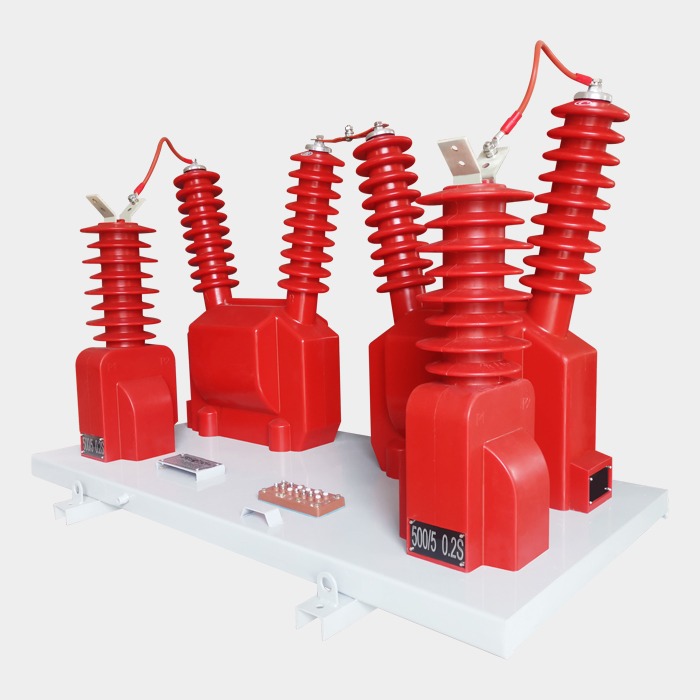
A combined metering unit puts two current transformers and two voltage transformers into one enclosure, connected in V/V to measure three phases. That is the arrangement in the JLSZV-35 outdoor unit: two CTs and two VTs forming a complete three-phase measuring device, with accuracy combinations such as 0.2S/10P10 and an armoured secondary cable running to the meter compartment. Instruments of that class generate little heat themselves, but they sit in the hottest place on the site.
In Gulf conditions the design ambient for outdoor equipment is commonly above 40 °C, and the air inside a sealed, sun-exposed enclosure runs well above the outside temperature. Two consequences follow. First, the current transformer's rated continuous current assumes a reference ambient; above it, the continuous thermal rating has to be derated, and the ratio and class chosen for the load must still hold at the real temperature. Second, accuracy class is verified at a reference temperature, so a unit specified at 0.2S on the bench is not automatically 0.2S at 60 °C inside a metal box in August.
The practical answers are shade, ventilation and material. A stainless enclosure with a light finish in a shaded position runs cooler than a dark painted box in direct sun, and a louvered vent helps until the filter clogs with sand. Where a sealed enclosure is mandatory for tamper resistance, ask for temperature rise evidence or a derating table instead of assuming the nameplate rating applies at site ambient.
Anti-theft: what actually stops meter tampering
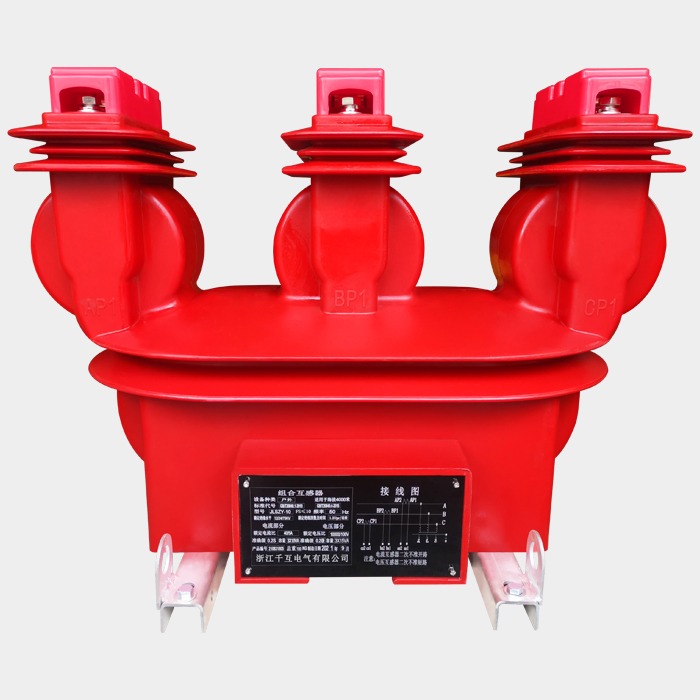
Tampering on a revenue metering point takes four forms: bypassing the current circuit, reversing or opening the voltage circuit, accessing the meter terminals, and replacing or interfering with the meter itself. Each is answered by a physical arrangement rather than by a lock alone.
- A separate metering compartment with its own sealed door, so reading the meter does not expose primary terminals.
- Armoured or steel-tape secondary cable between the transformers and the meter, with the armour bonded and the gland sealed.
- Current transformers with a sealed secondary terminal cover, so a shorting link cannot be inserted without breaking a seal.
- A meter observation window in a tamper-evident frame, allowing meter reading without opening the enclosure.
- Stainless-steel enclosure and hardware, with hinges that cannot be lifted off and a lock hasp that takes a utility seal as well as a padlock.
- A utility seal schedule: numbered seals on the enclosure, the meter cover and the terminal cover, recorded at commissioning.
Tamper resistance is a utility requirement with a cost, so it belongs in the technical specification rather than a general description. A box that meets IP65 but has one door over both the transformers and the meter has not solved the theft problem, because the first meter reader who opens it exposes the primary side.
Specifications that fail at commissioning
Three failures recur, and each one has a cost attached. The first is a metering box IP rating quoted without the cable entry: the enclosure passes its factory test, the installer fits a standard gland, and the assembly is no longer IP54. The second is a class and ratio chosen for the nominal load only, without checking that the accuracy class holds at the real ambient and that the CT is not run below its rated current at light load. The third is a metering unit bought without a matching meter compartment, which forces the utility to build a second enclosure on site and defeats the tamper design.
The consequence of all three is the same: rejection at inspection, or acceptance followed by a revenue dispute two years later when the readings cannot be reconciled. Both are more expensive than the difference between a properly specified unit and a cheap one. The ratio and class side of the same problem is covered in configuring the CT and VT ratio in a high-voltage metering box.
What to write into the metering box RFQ
- System voltage, highest system voltage and the earthing arrangement, with the metering point described: pole, plinth, wall or vault.
- Required IP rating for the enclosure and for the cable entry, stated separately, with the test standard named.
- Enclosure material and finish: stainless grade or coated steel, coating system, and the corrosion category of the site.
- Current transformer ratio, accuracy class and burden for metering, plus the protection class if a protection core is included.
- Voltage transformer ratio, class and burden, and confirmation that the V/V connection is acceptable to the utility.
- Anti-tamper features by name: separate sealed meter compartment, observation window, armoured secondary, sealed CT terminal covers, lock hasp and seal points.
- Ambient and solar conditions the design must hold, with the derating the supplier applies above the reference ambient.
- Documents: type test reports for the instrument transformers, enclosure IP test report, general arrangement drawing for approval, and the seal schedule.
- Packing and marking: enclosure protected for sea freight, drawings and seal numbers inside the crate, phase marking visible after installation.
Where Nahu Group Fits
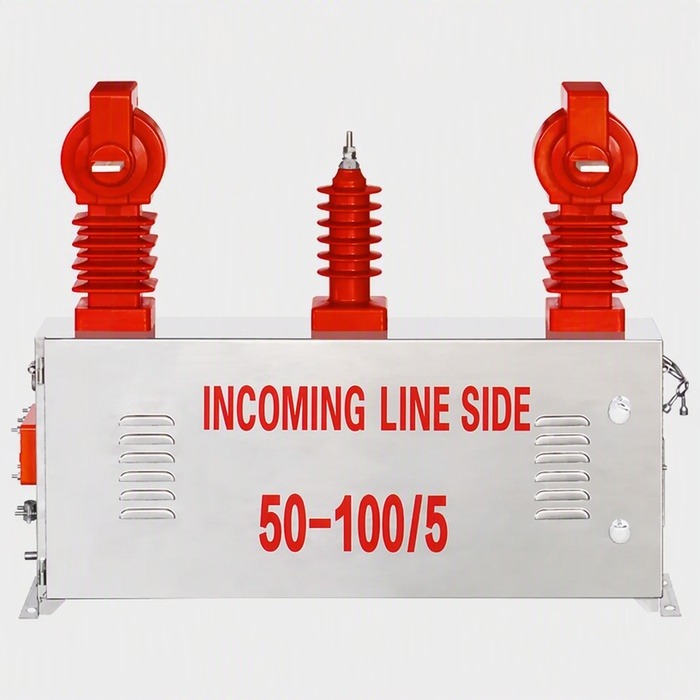
Nahu Group builds outdoor high-voltage metering boxes in the JLS series, from 10 kV to 35 kV, combining current and voltage transformers with a separate metering compartment in a stainless-steel, tamper-resistant enclosure. The JLSZV-35 outdoor metering unit uses two CTs and two VTs in V/V connection with accuracy options such as 0.2S/10P10, an armoured secondary cable and an observation window for active and reactive meters; the JLSGWV-10 stainless enclosure shows the enclosure side of the same family.
To configure a unit, send the system voltage, the load current range, the accuracy class the utility requires, the ambient and solar conditions, and the mounting arrangement. A utility-metering drawing or seal schedule usually fixes the compartment layout and terminal positions, so send it as well. The metering box range covers the 10 kV and 35 kV outdoor units, and the guide to high-voltage metering box types sets out how the range is organized.
Frequently asked questions about metering box IP ratings
Does an IP rating cover theft resistance?
No. The IP code covers ingress of solid objects and water only. Tamper resistance comes from the enclosure arrangement, the sealed meter compartment, the armoured secondary cable and the seal schedule, and has to be specified as a separate set of requirements.
Is IP65 enough for a desert site?
Usually yes, for dust and driven rain, provided the cable entries match the rating. The sealed enclosure still traps heat, so check the internal temperature at design ambient and confirm the ratings and classes hold there.
Why does the IP rating fail after installation?
Almost always because the cable gland, breather or door seal was not part of the tested assembly. The rating applies to the enclosure as tested; an unmatched gland or a seal compressed by repeated opening changes the assembly and the claim with it.
Should the meter sit in the same compartment as the transformers?
For revenue metering, no. A separate sealed metering compartment lets the meter be read and sealed without exposing primary terminals, which is the arrangement most utilities require and the one that closes the most common tampering route.
Does ambient temperature change the accuracy class?
Accuracy is verified at a reference temperature, and error drifts as the instrument moves away from it. In a hot enclosure the class claimed on the test certificate should be confirmed against the site ambient, or a derating agreed in writing.
Sources and Further Reading
- IEC — Ingress Protection (IP) ratings — the official explanation of the two-digit code, what each digit covers and what the rating does not claim.
- IEC 61869-2:2012 — Instrument transformers, Part 2: Additional requirements for current transformers — covers ratios, burden, accuracy classes and the 5P/10P protection limits for the CTs inside a metering unit.
- IEC 61869-1:2023 — Instrument transformers, Part 1: General requirements — the family standard with definitions, error limits, marking and the type and routine test schedule.
Published Nov 5, 2026 · Nahu Group (NAHU Electric Technology)