
High voltage transformers are vital in modern power systems. They manage voltage levels, ensuring efficient energy transmission.
These transformers are crucial for stepping up or down voltages in power grids. They support the reliable delivery of electricity across vast distances.
Understanding their operation and maintenance is essential for electrical engineers and technicians. This knowledge helps prevent costly failures and extends transformer lifespan.
High voltage transformers are used in power plants, substations, and industrial facilities. Their design involves careful consideration of insulation, cooling, and core materials.
This guide explores the fundamentals, applications, and testing of high voltage transformers. It also covers innovations and future trends in transformer technology.
What is a High Voltage Transformer?
A high voltage transformer is a device that modifies the voltage level of electrical power. These transformers are essential for efficient electricity transmission over long distances.
High voltage transformers adjust voltage levels to suit the requirements of various applications. They ensure the safe and reliable distribution of power.
Key features of high voltage transformers include:
- Voltage Regulation: Maintains stable voltage levels.
- Insulation: Provides electrical isolation.
- Efficiency: Minimizes power losses.
These devices are designed to handle large voltages while maintaining operational safety. Their robust construction allows them to withstand high electrical, mechanical, and thermal stresses during operation.
Key Types and Applications
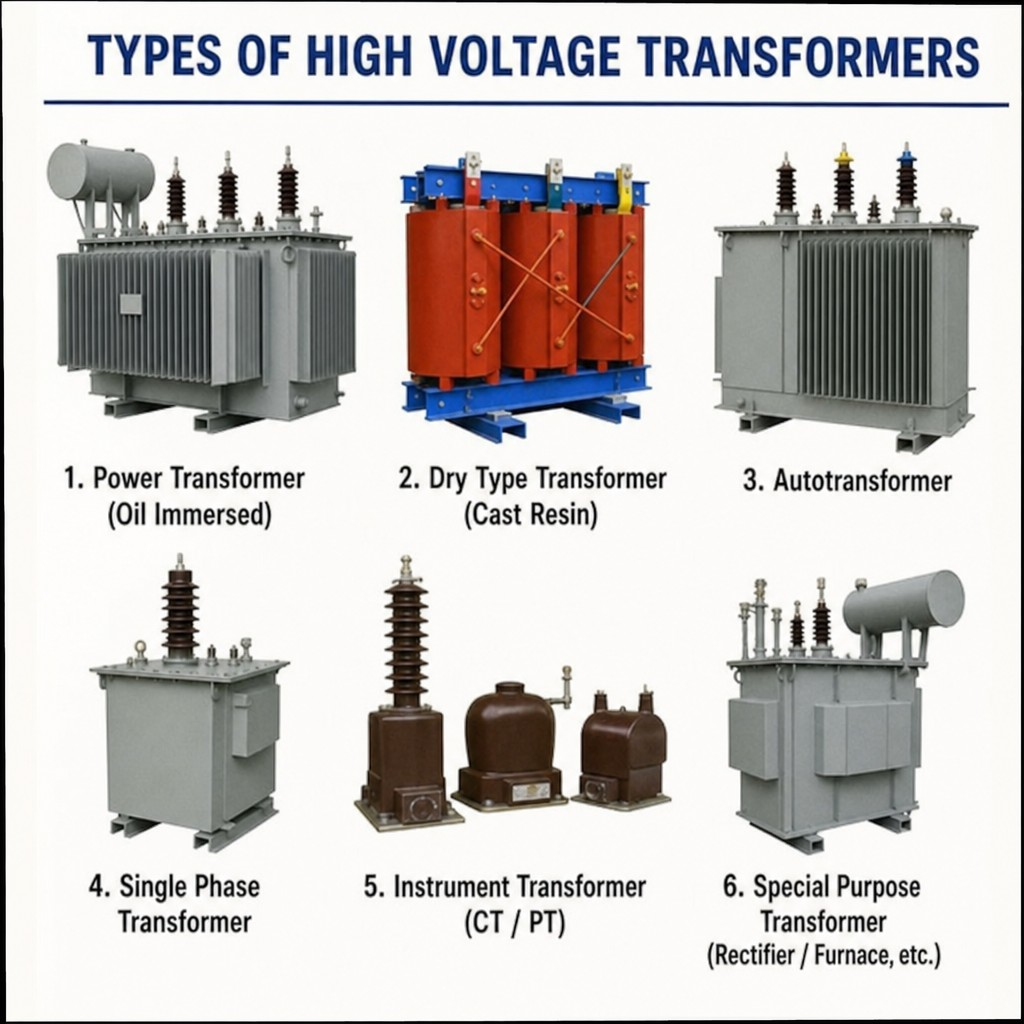
High voltage transformers come in various types, each suited for specific tasks. Power transformers and high voltage current transformers are two primary categories.
Power transformers are used in transmission networks to step up or step down voltages. They are common in substations and industrial applications.
High voltage current transformers, on the other hand, measure high current levels and provide isolation. They ensure safety by reducing high currents to manageable levels for meters and relays. If you are sizing or retrofitting metering, see our guide on current transformer modules for new installations and retrofitting, or browse our voltage transformers range.
Other notable applications include:
- Substations: Manage voltage levels for distribution.
- Industrial Plants: Supply power for manufacturing.
- HVDC Systems: Facilitate long-distance power transmission.
These transformers are integral to the electrical grid, ensuring stability and reliability for various uses. Their versatility makes them indispensable in modern power systems.
Core Components and Design Considerations
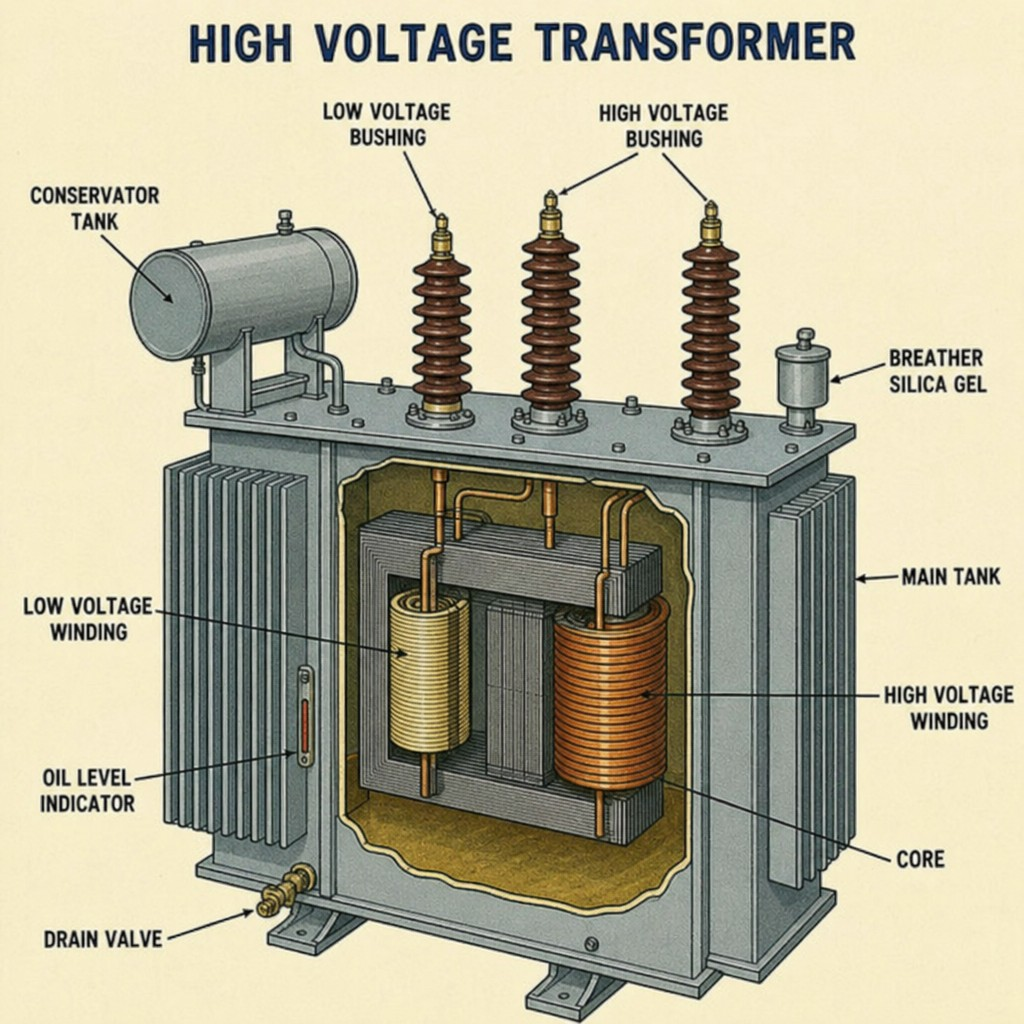
The components of high voltage transformers are critical to their function and efficiency. These include the core, windings, and insulation system. The core is typically made from laminated steel to minimize energy losses.
The design of these transformers must consider several factors to ensure optimal performance. Key considerations include insulation strength, cooling methods, and the type of core material used. Insulation must handle high voltages and prevent electrical breakdowns.
Important design elements include:
- Core Material: Affects efficiency and loss.
- Insulation: Ensures safety and performance.
- Cooling Systems: Keeps temperatures within safe limits.
Transformers must be designed to withstand electrical, thermal, and mechanical stresses in various conditions. These aspects ensure reliability and longevity in demanding environments.
How High Voltage Transformers Work
High voltage transformers operate based on the principle of electromagnetic induction. They transform voltage levels by stepping them up or down, essential for efficient power transmission. The process involves transferring electrical energy between circuits via magnetic fields.
These transformers consist of primary and secondary windings around a magnetic core. An alternating current in the primary winding creates a magnetic flux that induces a voltage in the secondary winding. This process enables the voltage conversion.
The operation can be summarized in key steps:
- Primary Winding: Input voltage generates magnetic flux.
- Magnetic Core: Guides flux to the secondary winding.
- Secondary Winding: Converts flux back into electrical energy.
This transformation process enables effective long-distance electricity transmission, ensuring reliable delivery to end users.
High Voltage Testing of Transformers
Testing high voltage transformers is crucial to ensure their safety and reliability. It helps identify potential issues before they cause serious problems. Regular testing can prevent costly failures and extend the transformer's lifespan.
There are several key tests conducted on high voltage transformers. These tests include insulation resistance, dielectric testing, and partial discharge measurements. Each test assesses different aspects of the transformer's performance and integrity.
- Insulation Resistance Test: Checks the quality of insulation.
- Dielectric Test: Evaluates the electric strength.
- Partial Discharge Test: Detects small faults before they grow.
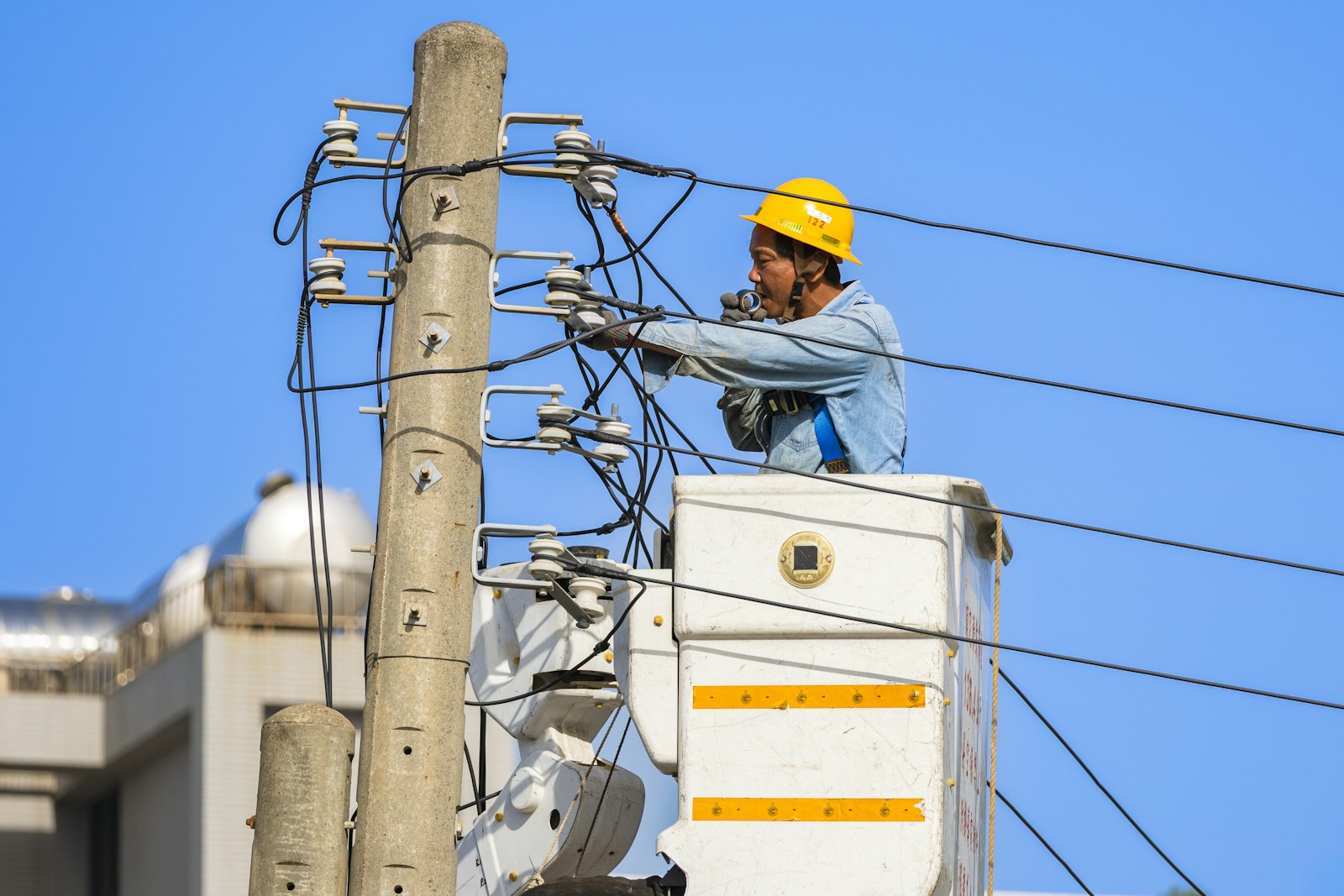
These tests form the backbone of transformer maintenance, helping maintain operational efficiency.
Essential Test Equipment for High Voltage Transformers
Testing high voltage transformers requires specialized equipment to ensure precise results. Quality equipment is vital for identifying issues early. Accurate diagnostics help to maintain transformer efficiency and reliability.
Key testing tools include:
- Insulation Resistance Meters: Measure insulation quality.
- Dielectric Testers: Assess electric strength.
- Partial Discharge Detectors: Identify flaws early on.
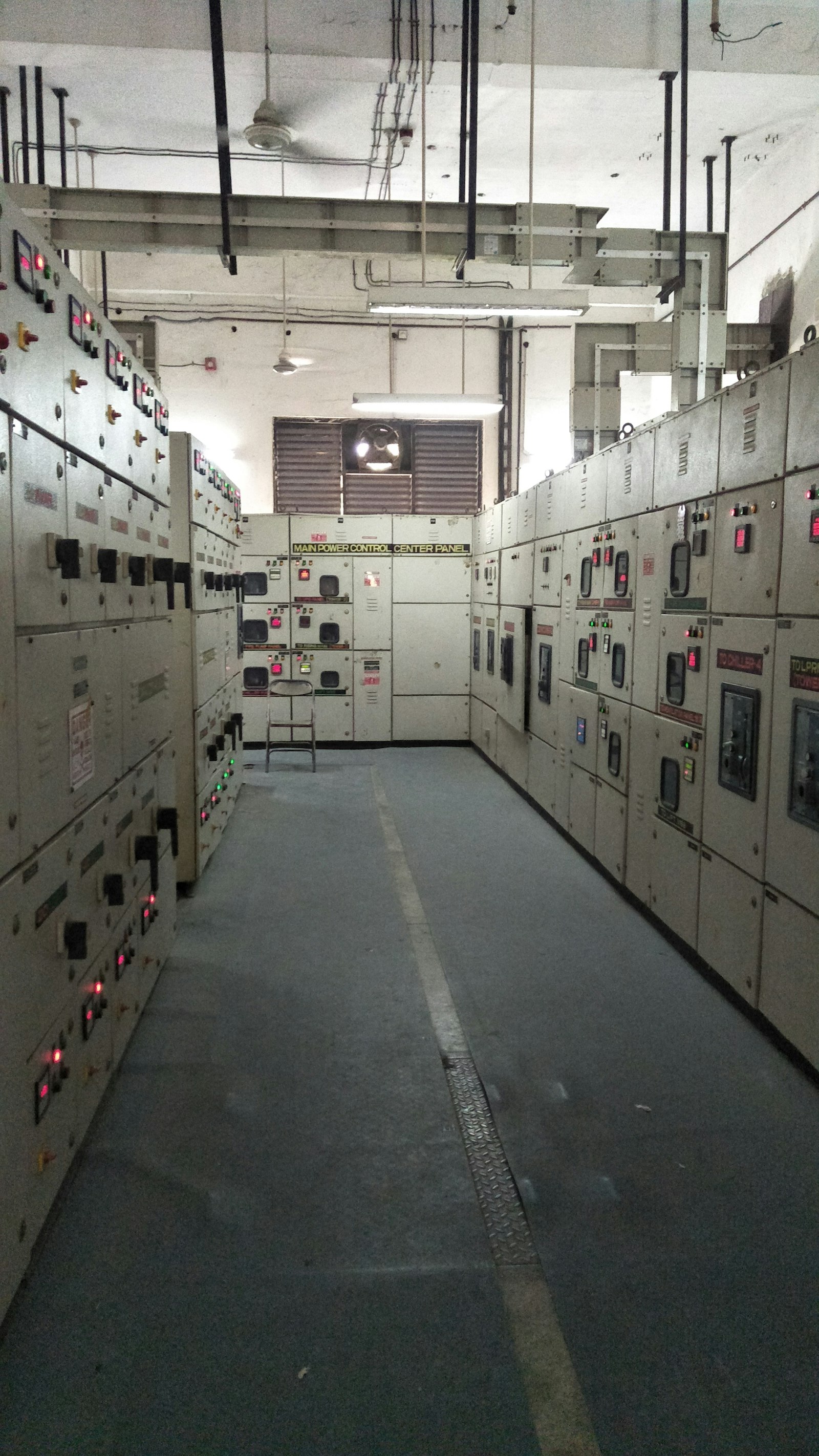
Each tool serves a specific purpose in evaluating transformer health. Utilizing these devices can significantly reduce the risk of unexpected failures.
Monitoring and Maintenance: Online Dissolved Gas Analysis and More
Effective monitoring is essential for prolonging transformer life. Regular maintenance prevents costly breakdowns and ensures optimal performance. Monitoring systems alert operators to potential issues before they escalate.
One key method is online dissolved gas analysis (DGA). This process analyzes gases in transformer oil. By identifying gas patterns, it predicts potential failures.
Other maintenance practices include:
- Visual inspections: Detect physical damage.
- Temperature checks: Monitor overheating risks.
- Oil quality tests: Ensure effective insulation.
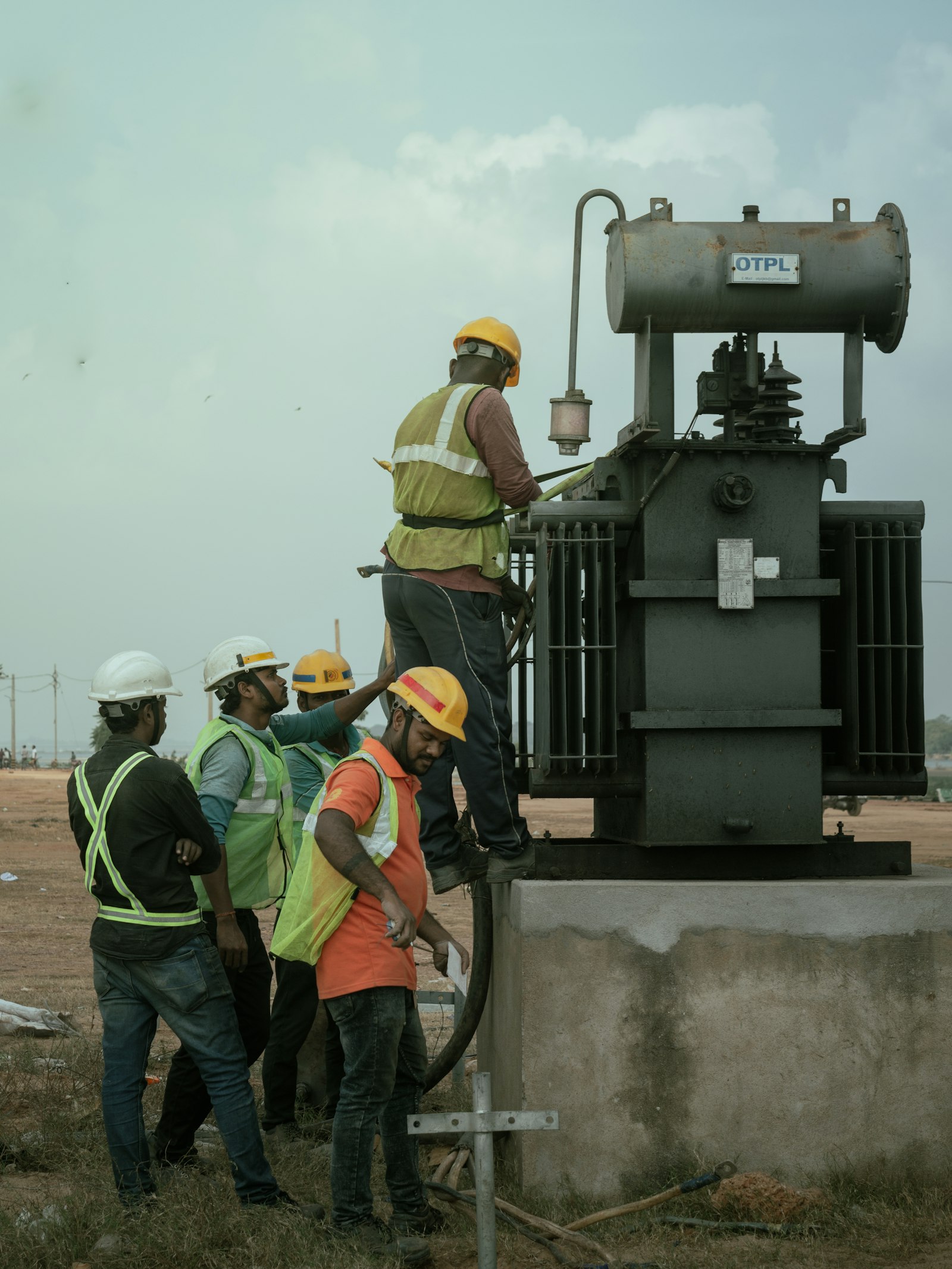
Implementing these strategies can increase reliability and reduce unexpected downtime. Consistent checks and a proactive approach are crucial for transformer health.
Innovations and Future Trends in High Voltage Transformers
The realm of high voltage transformers is seeing dynamic advancements. These innovations enhance efficiency and reliability in power systems. Technology is paving the way for significant improvements.
Emerging trends include:
- Digital technologies: For advanced monitoring.
- Eco-friendly designs: Minimizing environmental impact.
- Compact transformers: For space-efficient installations.
These trends are reshaping transformer operations, making them more adaptable and efficient. As technology progresses, high voltage transformers will play an even more vital role. Such advancements will be crucial in adapting to the evolving power demands worldwide.
Safety and Best Practices
Working with high voltage transformers involves inherent risks. Adhering to safety protocols is crucial to prevent accidents. Specialized training for handling equipment is essential.
Important best practices include:
- Regular inspections: To identify potential hazards.
- Protective gear: Always wear appropriate equipment.
- Clear guidelines: Follow established safety procedures.
By implementing these practices, technicians ensure safer operations and extend transformer life. Safety must always be the top priority in all transformer-related tasks.
Conclusion
For buying from our website you can simply browse the link below:
Voltage Transformers | Nahu Group (NAHU Electric Technology)
High voltage transformers are vital for modern power systems. They enable efficient energy transmission and distribution. Proper understanding and regular maintenance ensure their reliability and safety.
Advancements in technology are enhancing transformer performance and monitoring. Innovations continue to make them more efficient and eco-friendly. Staying informed about the latest developments is crucial for professionals in the field.
Ultimately, the effective management of high voltage transformers contributes to the stability of electrical networks. By following best practices and safety measures, we can extend their lifespan and prevent costly failures.
Published August 11, 2026 · Nahu Group (NAHU Electric Technology)