
Electrical transformers are vital components in our modern electrical systems. They enable the efficient transfer of electrical energy across circuits. By adjusting voltage levels, transformers ensure electricity is safely distributed over long distances.
Understanding transformers is crucial for anyone involved in electrical engineering. From students to seasoned professionals, a solid grasp of transformer basics is essential. This knowledge aids in selecting the right transformer for specific applications.
Transformers come in various types, each serving unique purposes. Whether it's a single phase power transformer for homes or a delta y transformer for industrial use, each type has distinct features. Knowing these differences helps in making informed decisions.
This article will explore the fundamentals of electrical transformers. We'll cover their types, functions, and practical applications. By the end, you'll have a comprehensive understanding of these indispensable devices.
What Are Electrical Transformers?
Electrical transformers are devices that modify voltage levels between circuits. Their primary role is to step up or step down these voltages as needed. Through electromagnetic induction, transformers manage the safe transfer of electrical energy.
These devices are composed of several crucial components. They include:
- Primary coil
- Secondary coil
- Core made of ferromagnetic material
Transformers are indispensable in our electricity distribution systems. They enable electricity generated at power plants to travel vast distances. Once it reaches its destination, transformers adjust the voltage to a usable level.
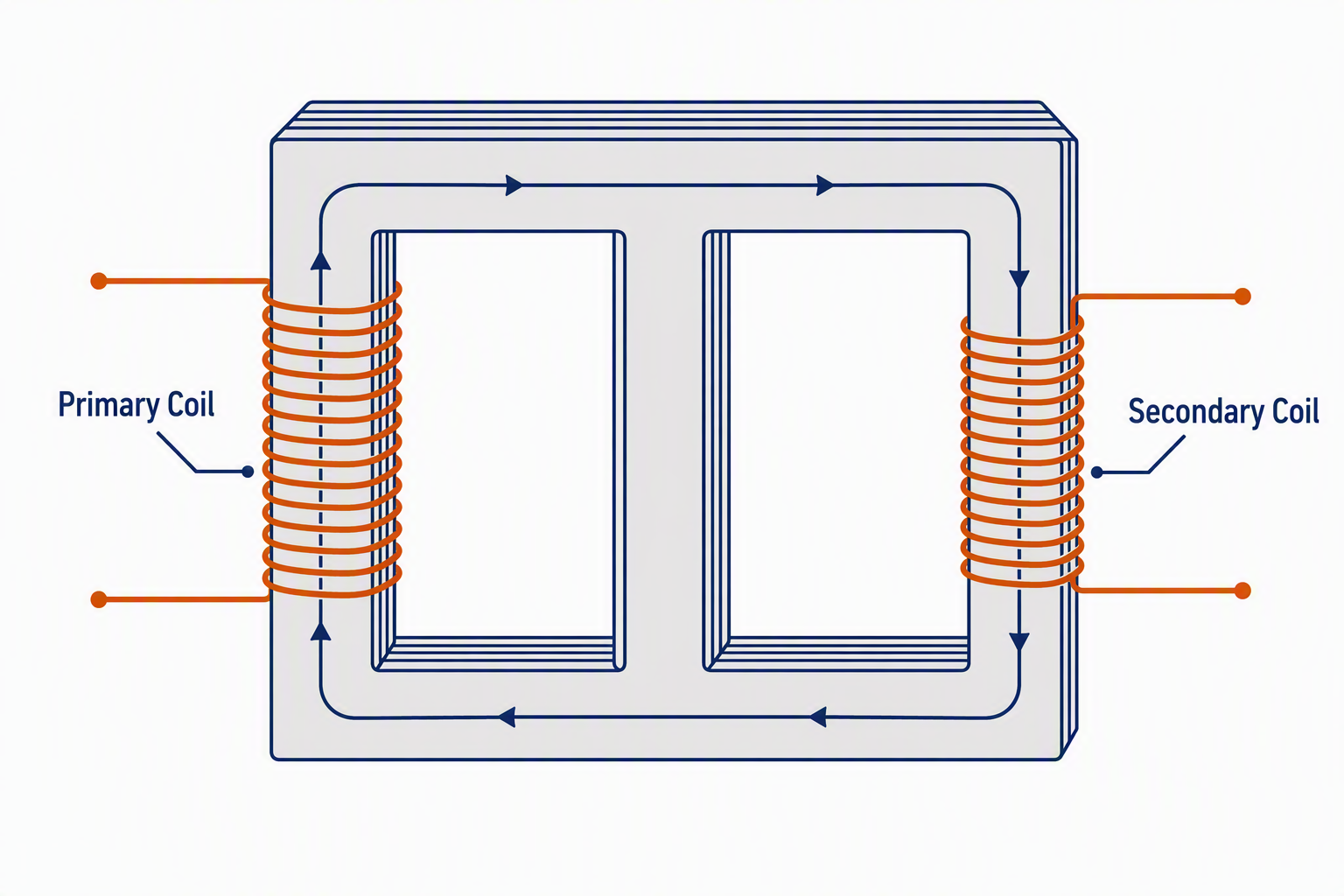
Understanding the components and functions of transformers is vital. They play a critical role in both residential and industrial applications.
How Do Transformers Work?
Transformers operate on the principle of electromagnetic induction. This principle involves inducing a voltage across a coil by changing the magnetic field. When alternating current flows through the primary coil, it generates a magnetic field in the core.
This magnetic field interacts with the secondary coil, causing a voltage to appear across it. The voltage level depends on the turns ratio between the two coils. Important factors include:
- Number of turns in each coil
- Core material properties
- Load connected to the transformer
Transformers efficiently change voltage levels while maintaining the same power, minus losses. Their design ensures minimal energy waste, crucial in modern electrical systems.
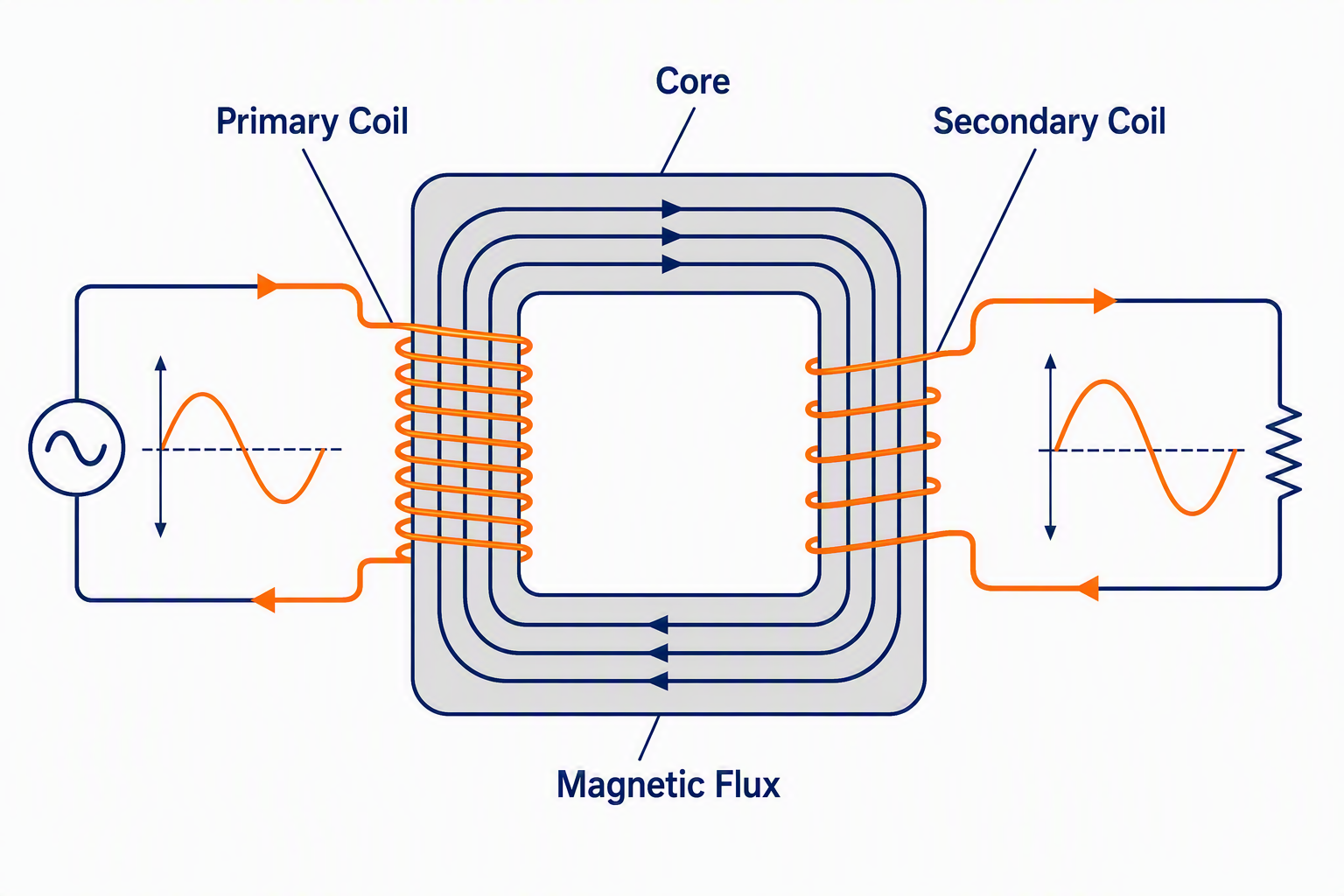
Understanding these mechanisms helps in designing systems for high efficiency and reliability.
Key Transformer Types and Their Uses
Transformers come in various types, each designed for specific applications. Power transformers are used in high voltage transmission networks. They handle large amounts of power over long distances.
Distribution transformers reduce voltage levels for consumer use. These are common in residential neighborhoods and small businesses. They ensure voltage levels are safe and usable.
Single phase power transformers are ideal for light commercial and residential purposes. They efficiently deliver power to small-scale facilities.
Dry type transformers are preferred indoors due to their safety features. They eliminate the need for liquid coolants, reducing potential hazards. They are prevalent in commercial and industrial buildings.
Here's a summary of common transformer types:
- Power Transformers: High voltage transmission
- Distribution Transformers: Consumer voltage application
- Single Phase Transformers: Residential use
- Dry Type Transformers: Indoor safety
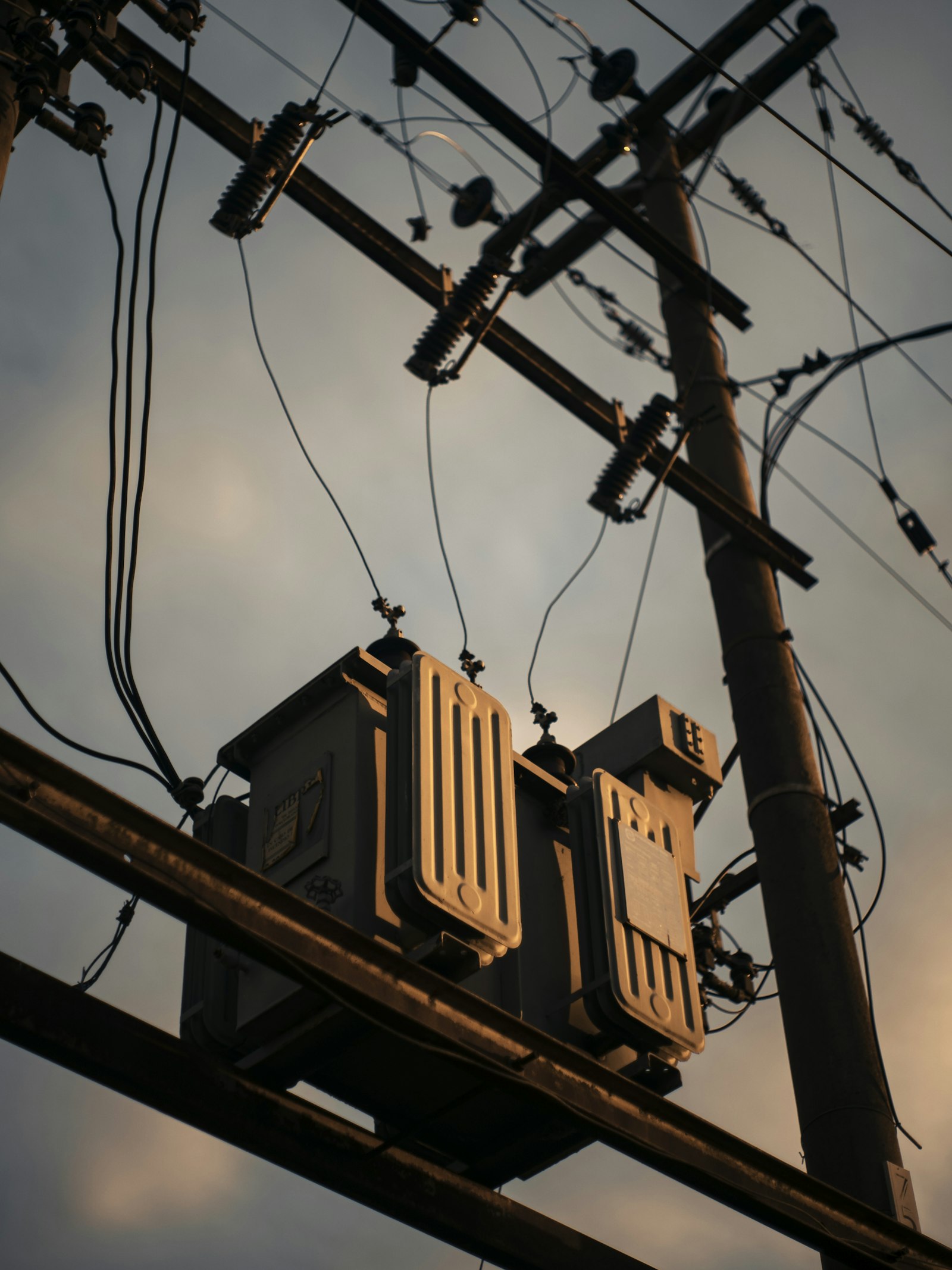
Understanding these types helps in selecting the right transformer for specific needs. Each type offers distinct advantages in various electrical setups.
Transformer Turns Ratio Formula Explained
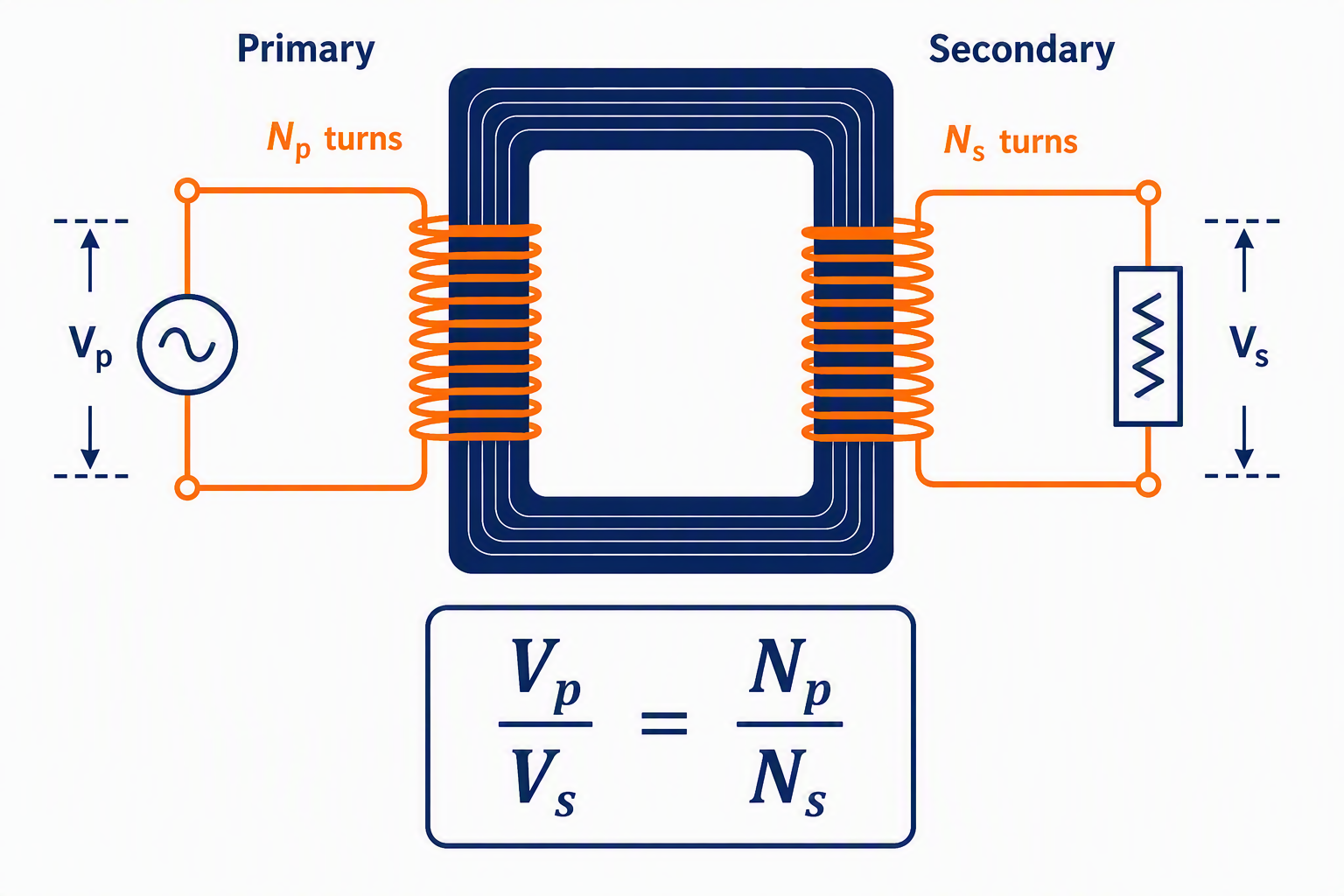
The transformer turns ratio formula is fundamental in electrical engineering. It relates the primary and secondary voltages to their respective coil turns. This ratio determines the voltage transformation between two circuits.
The formula is simple:
- Turns Ratio = (Number of Turns in Primary) / (Number of Turns in Secondary)
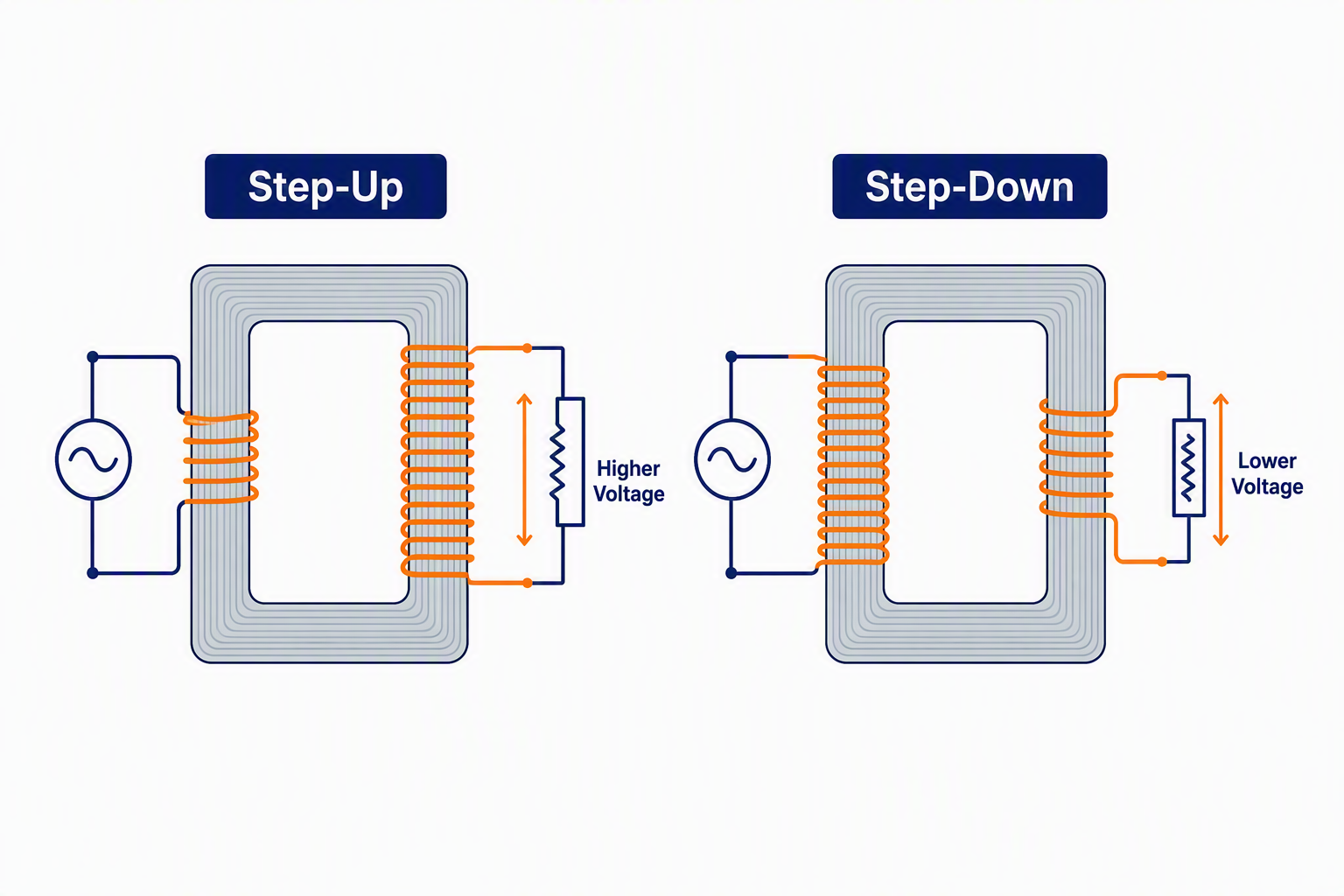
A step-up transformer increases voltage when the primary has fewer turns. Conversely, a step-down transformer decreases voltage when the primary has more turns than the secondary.
Understanding this formula helps in designing efficient transformers. It ensures the desired voltage levels are met for specific applications.
Step Up and Step Down Transformers
Step up and step down transformers are crucial in managing voltage levels. Step up transformers increase voltage from a lower value to a higher one. They're often used in power plants to transmit electricity over long distances.
Conversely, step down transformers reduce voltage for safe use in homes and businesses. Understanding their roles helps in grasping electrical distribution.
Key features include:
- Step Up: Increases voltage
- Step Down: Decreases voltage
- Vital in power transmission
These transformers ensure efficient voltage management across diverse applications.
Common Applications of Electrical Transformers
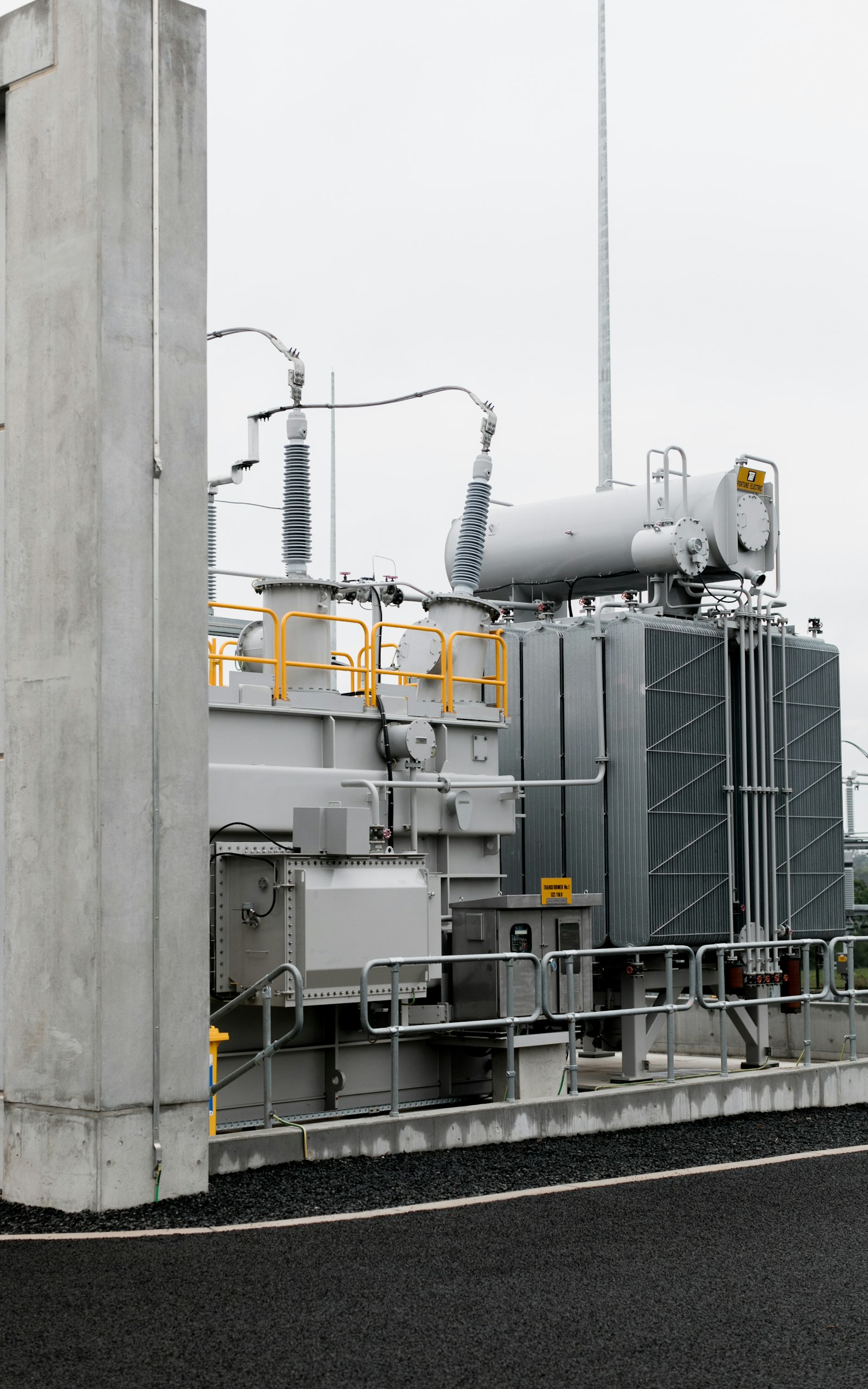
Transformers have a wide range of applications in electrical systems. They play a key role in power distribution, making electricity accessible to homes and businesses. Without them, delivering consistent power over vast distances would be challenging.
In industry, transformers are integral to running machinery at various voltage levels. They ensure that equipment operates safely and efficiently, preventing damage and downtime. Their adaptability to different voltage needs is crucial in industrial settings.
Some common applications of transformers include:
- Power distribution networks
- Industrial machine operations
- Renewable energy systems
Transformers also support renewable energy systems, enabling the effective use of solar and wind power. They convert variable outputs into stable electricity for the grid.
Special Transformer Designs and Configurations
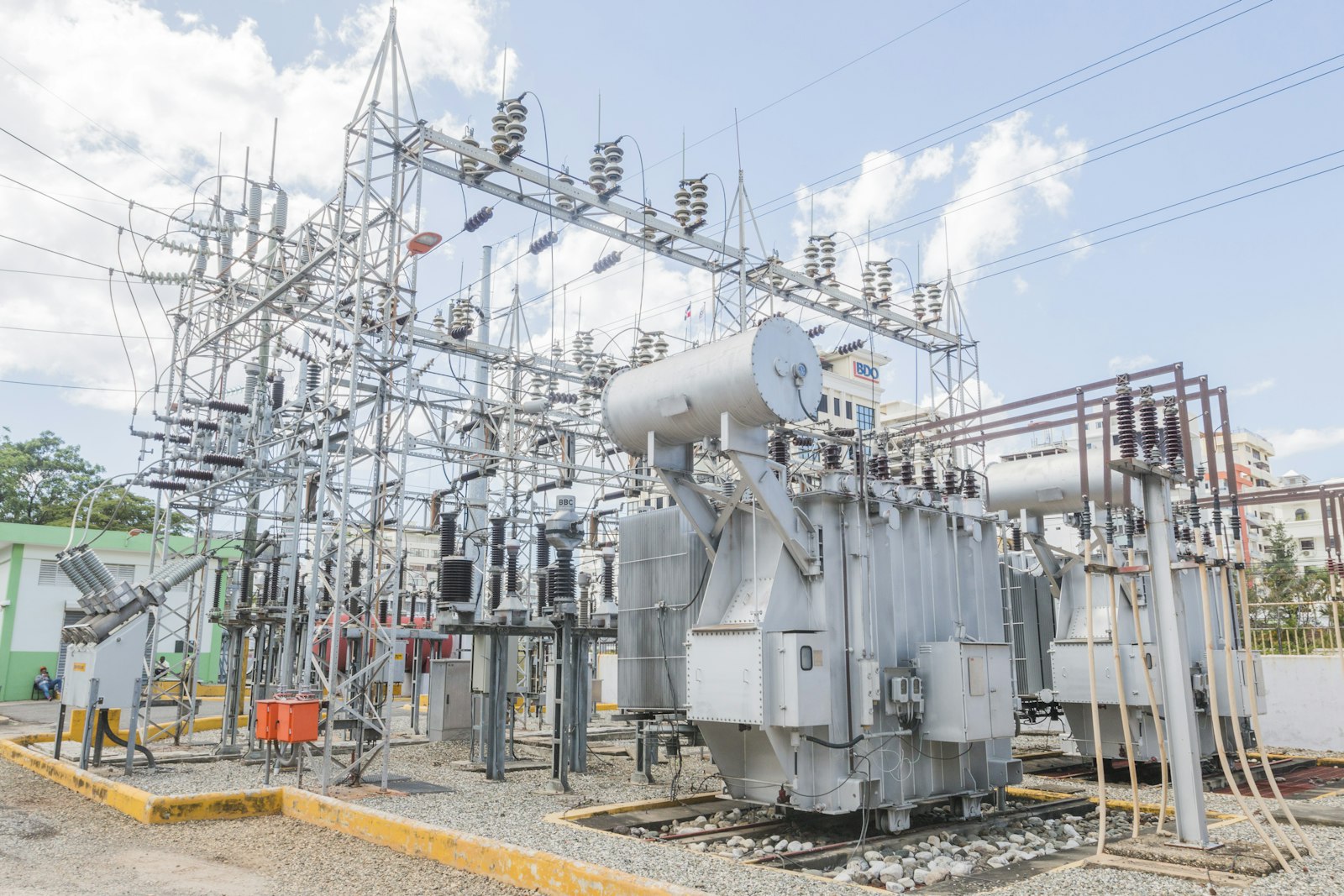
Transformers are diverse, designed for specific needs and environments. Unique configurations meet various industrial and commercial demands. They enhance both efficiency and safety in electrical systems.
One specialized design is the dry type transformer, which eschews liquid coolants. This design is ideal for indoor applications, reducing fire hazards. It provides reliable service in schools, hospitals, and other sensitive environments.
Another configuration is the delta Y transformer, commonly used in three-phase systems. It offers superior power stability and is crucial for balancing loads. This design helps in connecting different voltage levels seamlessly.
Special configurations include:
- Dry type transformers
- Delta Y transformers
- Isolation transformers
Overall, transformer designs focus on maximizing effectiveness while meeting specific operational requirements.
How to Hook Up a Transformer Safely
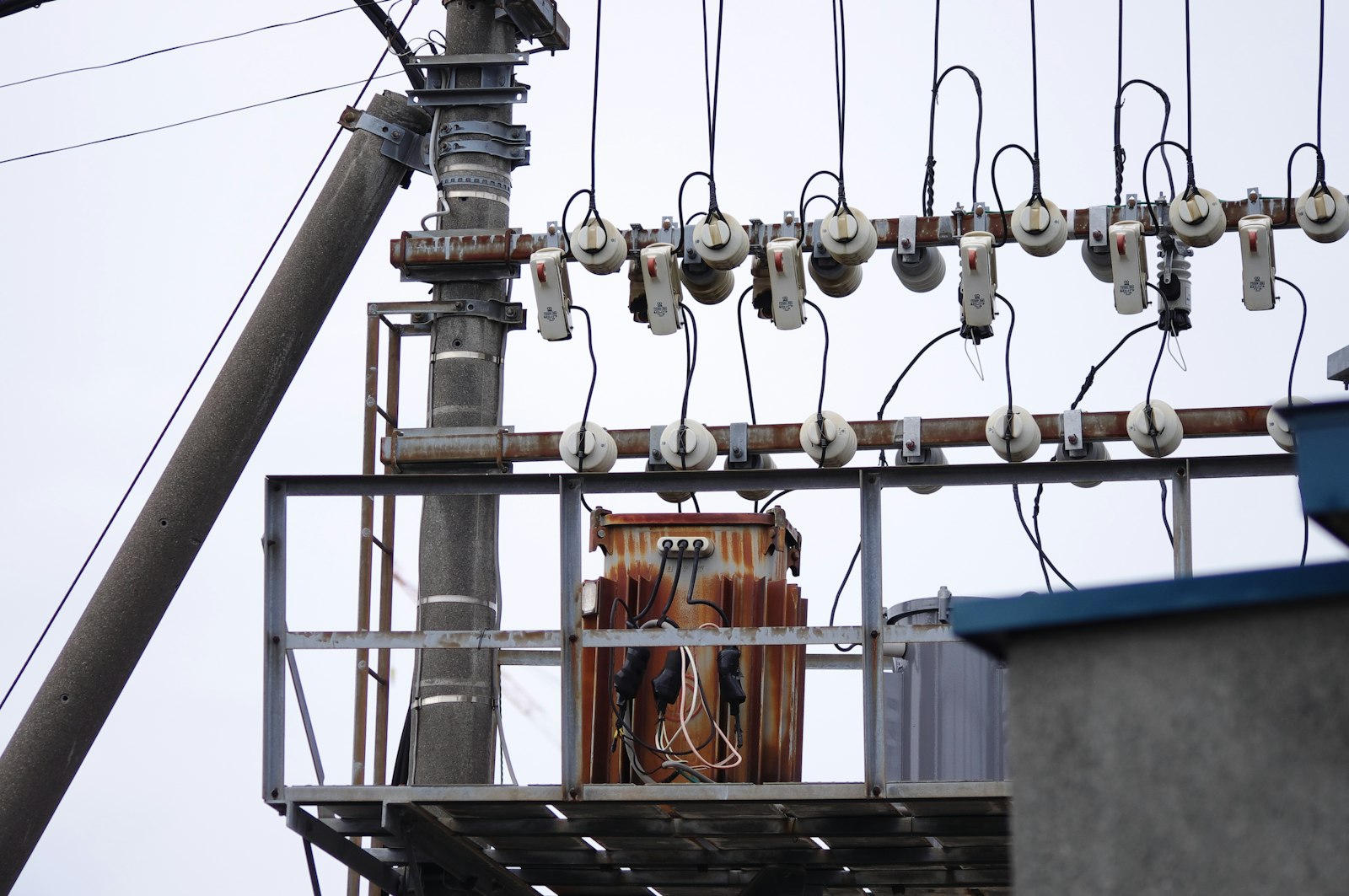
Connecting a transformer requires precision and adherence to safety standards. Proper setup prevents electrical accidents and ensures optimal performance.
Begin by consulting the manufacturer's manual for specific instructions. It's important to verify that the transformer meets voltage requirements for the intended application. Safety gear, like insulated gloves and safety glasses, should be worn.
Key steps include:
- Verifying voltage and current ratings
- Properly grounding the transformer
- Securing all electrical connections
Safe installation protects both the equipment and the user from potential hazards.
Choosing and Maintaining Transformers
Selecting the right transformer involves understanding your specific power needs. Consider factors like voltage levels, environmental conditions, and application type. It's crucial to match the transformer's specifications with the intended use to ensure efficiency and longevity.
To maintain optimal performance, regular checks and preventive maintenance are key. Key maintenance tips include:
- Inspecting for signs of wear or damage
- Testing for electrical efficiency
- Ensuring a clean and dry environment
Routine maintenance significantly extends the life of your transformer and prevents costly repairs or replacements.
Conclusion: The Role of Transformers in Modern Power Systems
Electrical transformers are indispensable in today's power systems. They facilitate efficient energy transmission over long distances and ensure stable power supply for diverse applications. Without them, connecting residential, commercial, and industrial sectors would be complex and costly.
As technology evolves, transformers continue to adapt. They now support renewable energy systems and contribute to smart grid advancements. Their ability to minimize energy loss and optimize power distribution underlines their importance. The continued innovation and maintenance of transformers are essential for a sustainable and efficient energy future.
Transformers in Metering and Instrumentation
Beyond power delivery, transformer technology is at the heart of electrical measurement. Instrument transformers — current transformers (CTs) and voltage transformers (VTs) — scale high voltages and currents down to safe, measurable levels for metering, protection, and control. If you're sizing or retrofitting a metering installation, see our guide on current transformer modules for new installations and retrofitting, or browse our current transformers and voltage transformers ranges for grid-grade equipment.
Published August 11, 2026 · Nahu Group (NAHU Electric Technology)