
High frequency current transformers are vital in modern electrical engineering. They measure alternating current in high frequency applications.
These transformers are crucial for accurate power measurement and monitoring. They are used in power electronics and communication systems.
Unlike standard transformers, they operate efficiently at higher frequencies. This makes them essential for advanced electrical systems.
Their design involves specific considerations for core material and winding techniques. This ensures optimal performance and reliability.
Understanding these transformers is key for engineers and professionals. It enhances system efficiency and safety in various applications.
What Is a High Frequency Current Transformer?
A high frequency current transformer is a device designed to measure AC at high frequencies. It plays a pivotal role in applications requiring precise current sensing. These transformers differ from their standard counterparts primarily in their frequency capabilities.
Key components of these transformers include:
- Core material, often ferrite, to minimize energy loss.
- Specialized winding techniques for efficiency.
- Insulation systems to handle high frequency stresses.
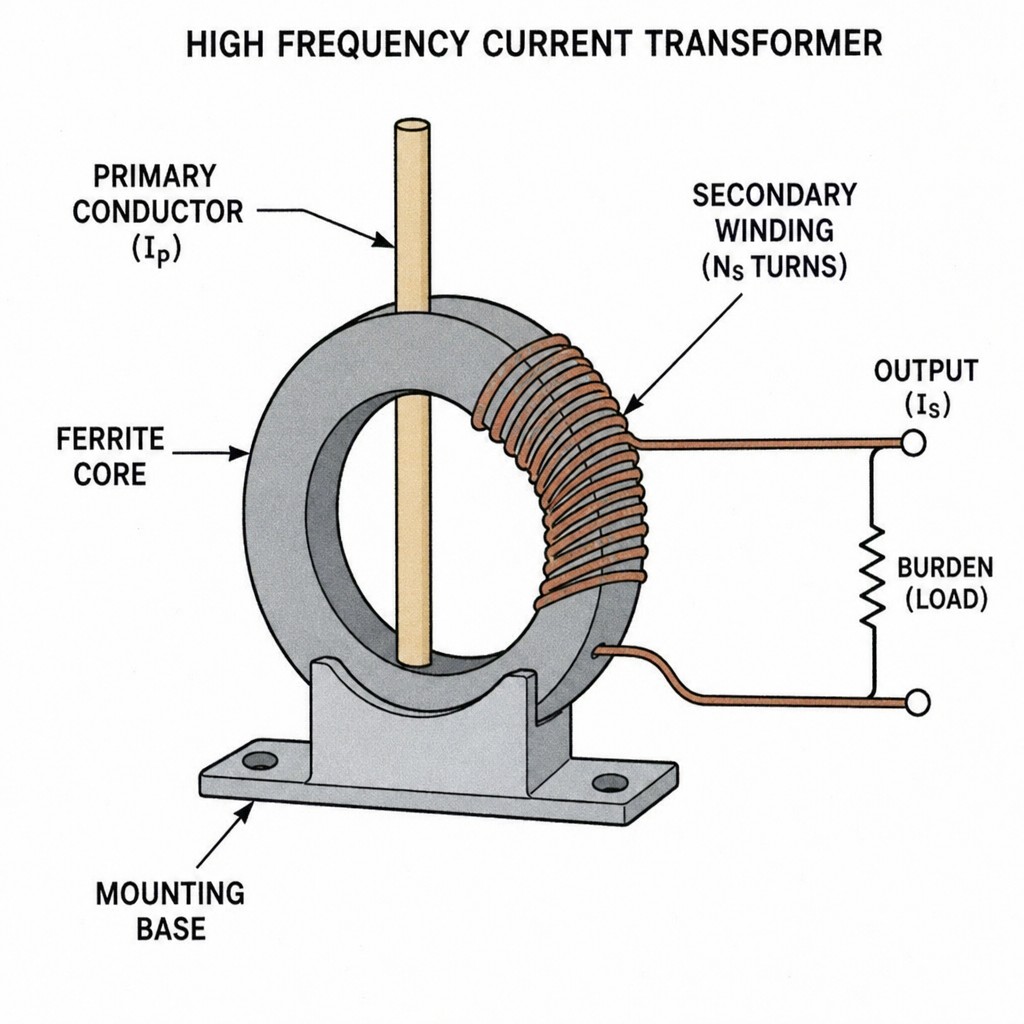
The core, typically made of ferrite, allows efficient operation. Ferrite is chosen because of its low loss at high frequencies. The specialized design ensures minimal distortion in high frequency conditions.
How High Frequency Current Transformers Work
High frequency current transformers function by capturing magnetic fields generated by AC currents. They convert these magnetic fields into electrical signals for measurement. This transformation process relies on their unique design and materials.
Core operation involves the principles of magnetic induction. The transformer detects current flow and produces a proportionate signal. Accurate signal conversion is crucial in high frequency environments.
Essential components include:
- A magnetic core, often ferrite, for reduced losses.
- Precision winding to enhance performance.
- Insulation to prevent signal degradation.
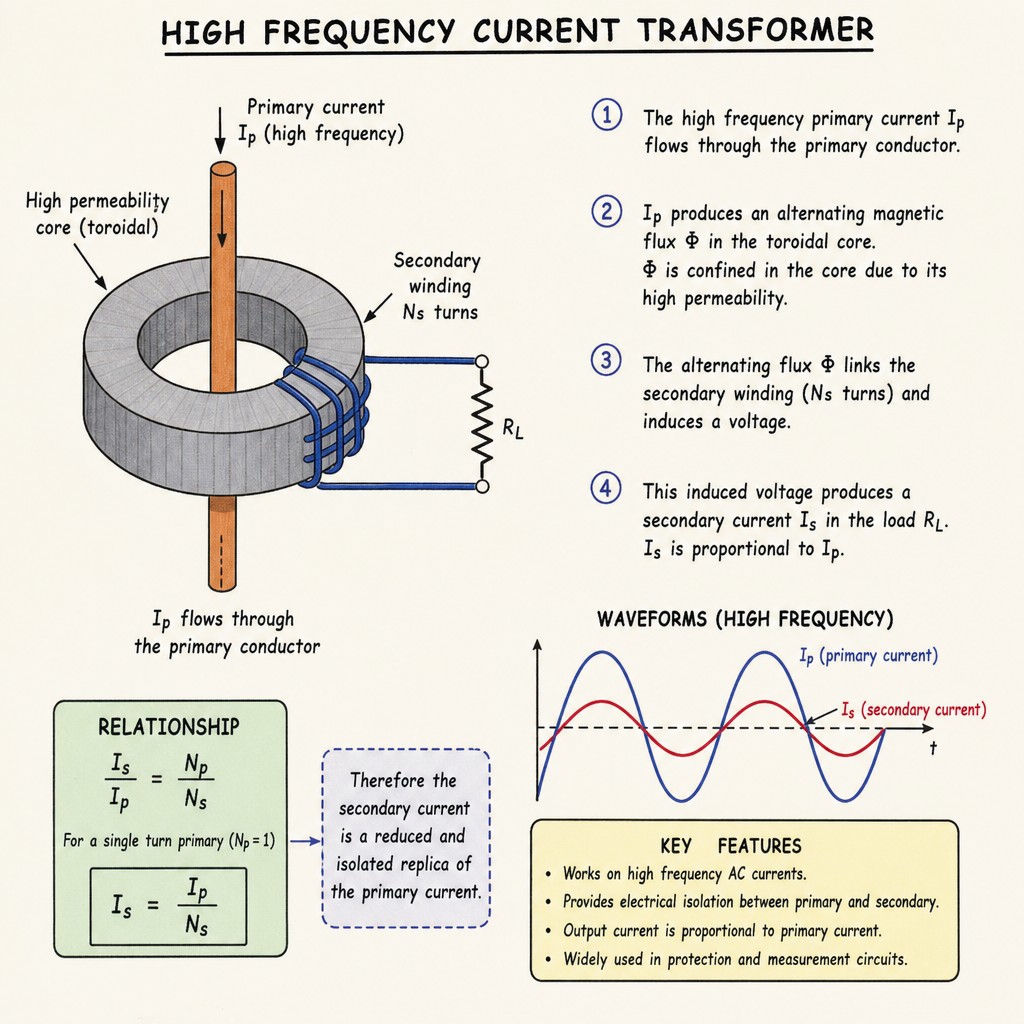
Through thoughtful engineering, these devices provide critical data across diverse applications. Proper understanding of their operation aids in system monitoring and efficiency improvement.
Key Design Considerations for High Frequency Current Transformers
Designing high frequency current transformers necessitates attention to detail in several key areas. Selection of core material is paramount for performance in high frequency settings. Ferrite is commonly used due to its low energy loss characteristics.
Winding technique plays a crucial role in transformer efficiency. Proper winding minimizes resistance and inductance, enhancing accuracy. The geometry of the winding can significantly impact the transformer's impedance and frequency response.
Insulation material selection also affects transformer reliability. Insulation must withstand high voltages and frequencies without degrading. This ensures longevity and reduces maintenance needs.
Consider the following design elements:
- Core material type and properties
- Winding methods for optimal impedance
- Insulation for durability and safety
Attention to these design considerations improves performance. It leads to better current sensing and power measurement in demanding applications.
Types of High Frequency Current Transformers
High frequency current transformers come in various types to suit different needs. Each type offers unique advantages based on specific applications. Understanding these can aid in selecting the right transformer for a given task.
Clamp high frequency current transformers are popular for their easy installation. They enable non-invasive current measurement, making them ideal for quick and temporary setups. This type prevents the need to disconnect existing circuitry during installation.
PCB-mounted transformers integrate into circuit boards seamlessly. These are used in compact electronic devices where space is limited. Their design facilitates efficient integration into existing systems.
Key transformer types include:
- Clamp high frequency transformers
- PCB-mounted transformers
- Split-core transformers
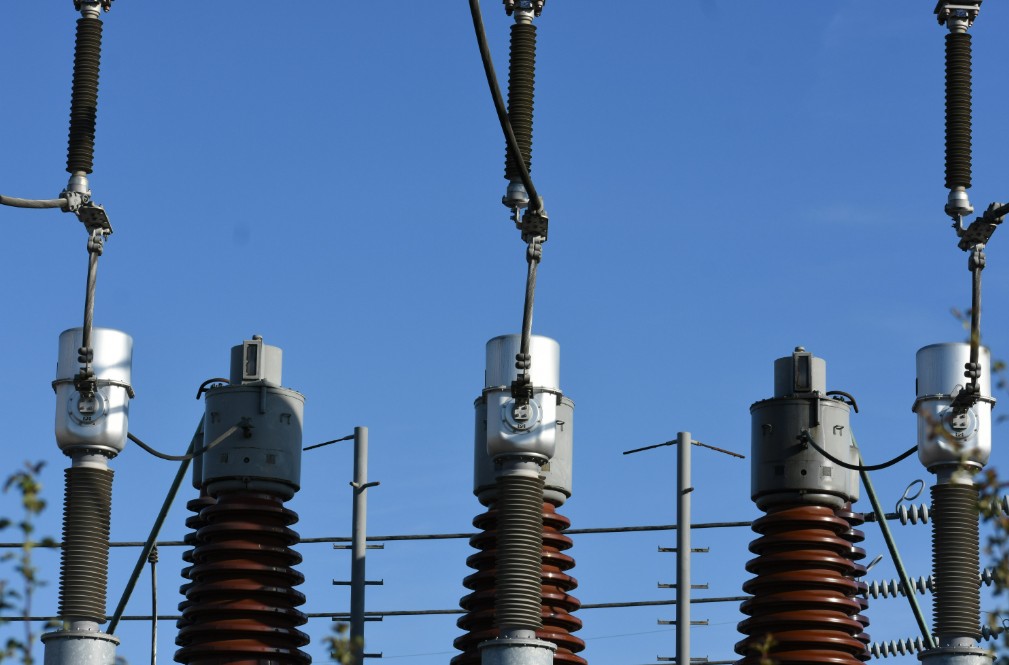
Choosing the correct type depends on the application and installation requirements. Consider factors like space, ease of installation, and system compatibility. For split-core and retrofit-friendly instrument transformers in metering applications, see our guide on current transformer modules for new installations and retrofitting, or browse our current transformers range.
Applications in Electrical Engineering and Power Measurement
High frequency current transformers are indispensable in modern electrical engineering. They offer precision in measuring alternating current (AC) at high frequencies. This makes them essential for ensuring reliability in power electronics and communication systems.
In electrical engineering, these transformers are widely used in various devices. They are particularly useful in systems such as inverters and converters, where accurate power measurement is critical. Additionally, they play a role in radio frequency (RF) systems by maintaining system efficiency.
Key applications include:
- Inverters
- Converters
- RF systems
These applications demonstrate the versatility and crucial role of high frequency current transformers. Their use ensures accurate power measurement and system monitoring. This is vital for maintaining efficiency in complex electrical systems.
Circuit Design and Integration Tips
Designing circuits with high frequency current transformers requires careful consideration. These transformers must align with the specific application and system requirements. Proper integration ensures optimal performance and accurate power measurement.
An important aspect is impedance matching. Ensuring compatibility between the transformer's output and the circuit input is crucial for signal integrity. This minimizes signal loss and enhances measurement accuracy.
To optimize circuit designs, consider the following tips:
- Ensure impedance matching
- Select appropriate core materials
- Integrate with complementary sensors
These steps can significantly influence the performance of the transformer. Integrating high frequency current transformers correctly enhances the overall efficiency of electrical systems.
Advantages and Limitations
High frequency current transformers offer several advantages. They provide accurate current measurement in high-frequency environments. Their design allows them to operate with minimal power loss and enhanced efficiency.
Despite these benefits, there are limitations. High frequency transformers can be complex to design and integrate. They may require specific materials and configurations.
Key points to consider:
- Accurate in high-frequency applications
- Efficient power measurement
- Complex design requirements
Understanding these factors helps in making informed decisions on using high frequency current transformers. Balancing their advantages against limitations is essential for optimal system performance.
Best Practices for Installation and Maintenance
Proper installation is vital for high frequency current transformers. Ensuring a snug fit and secure connections can enhance performance. Correct positioning aids in accurate current measurement and reduces errors.
Regular maintenance ensures long-term reliability. Inspect connections and clean surfaces to avoid buildup of debris. Follow these tips for optimal operation:
- Ensure tight connections
- Regularly inspect components
- Clean surfaces to prevent contamination
Adhering to these practices extends the transformer's life and maintains efficient functionality. Taking preventive measures minimizes downtime and enhances safety. Proper care leads to better performance over time.
Innovations and Future Trends in Transformer Technology
Technology in transformers is rapidly advancing. New materials and designs are improving performance and efficiency. This evolution is crucial for meeting the growing demands of modern electrical systems.
Emerging trends focus on sustainability and integration. Future transformers will likely feature:
- Advanced materials for better efficiency
- Smart integration capabilities
- Enhanced eco-friendly designs
These innovations promise to revolutionize energy systems. Embracing these trends will push forward electrical engineering and transform power grids. The future holds exciting potential for transformer technology.
Conclusion
High frequency current transformers are vital for modern electrical systems. They ensure accurate current sensing and efficient power management. Understanding their design and application is key.
As transformer technology evolves, their role becomes increasingly significant. Staying updated with these advancements helps engineers drive innovation and maintain system reliability.
Published August 11, 2026 · Nahu Group (NAHU Electric Technology)